How to Find Reliable Arrma Typhon Parts Suppliers?
Finding dependable Arrma Typhon Parts suppliers requires more than comparing prices online. A low-cost listing may look attractive, yet poor tolerances can cause loose suspension arms, uneven gear mesh, or repeated failures after a few runs. Experienced hobbyists usually inspect supplier history, product photographs, material details, and customer feedback before ordering. They also confirm the exact Typhon version, because parts for a 6S model may not fit a 3S chassis.
Reliable suppliers provide clear specifications, accurate compatibility information, and realistic delivery times. Look for sellers who identify manufacturers, offer traceable order records, and answer technical questions with useful details. A trustworthy supplier should explain whether a component is original, officially licensed, or aftermarket. That distinction matters. It affects fit, durability, and warranty support. Reviews can reveal valuable clues, especially comments describing installation, terrain, and long-term use. However, reviews are not perfect evidence. Some are brief, outdated, or based on incorrect installation.
A practical comparison should also consider packaging and after-sales service. When a driveshaft arrives in a labeled bag, with clean molding and consistent dimensions, confidence increases. Still, one good delivery proves little. Check several orders and compare experiences across independent platforms. No checklist is flawless. Supplier policies can change, and even reputable sellers may make occasional mistakes. This guide examines how to evaluate Arrma Typhon Parts suppliers carefully, using fitment checks, seller credibility, product quality, and customer support as key standards. The goal is not simply to find parts, but to reduce downtime and make each repair more predictable.
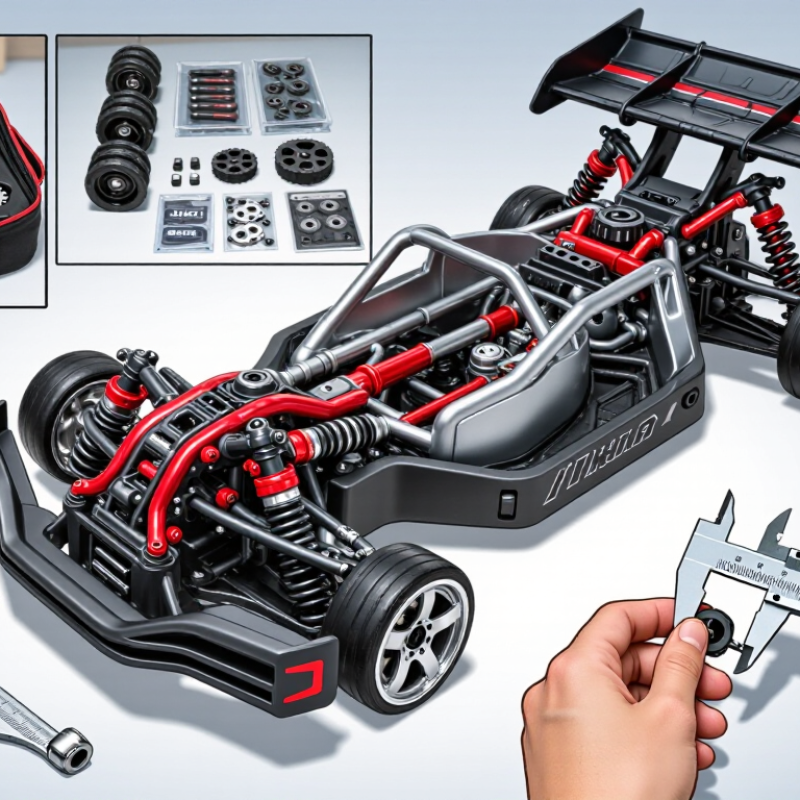
Understanding Arrma Typhon Parts and Supplier Types
Understanding Typhon-Compatible Parts and Supplier Types
Finding reliable Typhon-compatible parts starts with understanding supplier categories. Original-equipment suppliers usually provide exact specifications and consistent fitment. Independent manufacturers may offer stronger materials or lower prices. Local hobby shops add practical advice, especially when comparing suspension arms, gears, bearings, and shock towers. Marketplaces provide broad selection, but seller quality varies sharply. DHL’s 2024 E-Commerce Trends Report found that 70% of consumers expect social platforms to become major shopping channels by 2030. Convenience is growing. Verification still matters.
I check dimensional drawings, material descriptions, stock dates, and return policies before ordering. A trustworthy supplier should identify polymer grades, metal types, thread sizes, and compatible revisions. Product photographs should show actual parts, not only computer renderings. Baymard Institute reports an average online cart-abandonment rate of about 70.19%, partly linked to unclear costs and poor checkout information. Hidden shipping fees can reveal weak supplier practices. Customer reviews help, but detailed reviews are more valuable than high star ratings.
I once chose a cheaper gear set without checking tooth count. It fitted poorly. That mistake changed my buying process. I now compare the exploded parts diagram with the supplier’s specification sheet. I also keep one spare bearing and one suspension component, but not an entire duplicate vehicle. Some listings remain vague, even from experienced sellers. Asking for measurements is sensible. If a supplier avoids direct answers, I move on.
Checking Supplier Authenticity, Product Quality, and Compatibility
Finding reliable Arrma Typhon parts suppliers requires more than comparing prices. Check whether the supplier provides a verifiable business address, responsive contact details, and clear purchasing records. A trustworthy seller should answer technical questions without vague promises. Ask for current photos, exact part numbers, material descriptions, and stock confirmation before paying.
Product quality appears in small details. Inspect photos for clean molding, even edges, accurate holes, and undamaged threads. For metal components, ask about the alloy and surface treatment. For plastic parts, check whether the material suits impact and temperature changes. Cheap packaging can also reveal careless handling. I once focused too heavily on price and overlooked a poorly finished suspension component. That mistake caused extra fitting work.
Compatibility needs closer attention. Compare the supplier’s measurements with your vehicle’s chassis, wheelbase, mounting holes, gear pitch, and suspension geometry. Do not rely only on “fits this model” wording. Model revisions may use different shock towers, driveshaft lengths, or electronics mounts. Request a dimension drawing when available. A reliable supplier should explain differences between standard and upgraded parts. Keep your questions specific. For example, ask whether a replacement arm includes bushings, hinge pins, or only the molded arm. Some listings are unclear, and I still find assumptions can lead to wrong orders. Record the supplier’s replies and match them against the installation manual before selecting a part.
Comparing Prices, Stock Availability, and Shipping Policies
When finding reliable Arrma Typhon parts suppliers, compare the final cost, not only the listed price. Add the part price, delivery fee, tax, and possible handling charges. A 2024 global e-commerce report found that unexpected delivery costs remain a major reason for abandoned carts. The Baymard Institute also reports an average cart abandonment rate near 70%. A cheap component can become expensive after checkout.
Stock availability needs careful checking. Look for exact SKU numbers, warehouse location, and a visible dispatch estimate. “In stock” should mean physically ready, not merely available from a distributor. Stock tells a story. Contact support before ordering high-wear items, such as suspension arms, gears, bearings, or body mounts. Ask whether the pictured item matches the current revision. I have found that product photos can remain online after specifications change.
Shipping policies reveal supplier reliability. Compare processing time, tracking, lost-parcel procedures, and return conditions for incorrect parts. Industry delivery research published in 2024 shows that shoppers strongly value predictable delivery dates and flexible returns. A supplier offering several shipping speeds may provide better control, even when express delivery costs more. Check whether returns require unused packaging, because opened parts may be difficult to send back. My own comparison method is imperfect: I record prices in a spreadsheet, but exchange rates and stock changes can alter the result overnight.
Evaluating Customer Reviews, Warranties, and Return Support
Reliable parts suppliers reveal themselves through detailed customer feedback, not high star ratings alone. I read recent reviews and check whether buyers mention fit, material quality, and delivery accuracy. Photos of installed parts are especially useful. Repeated complaints about stripped threads or incorrect dimensions deserve attention.
In my workshop, I compare the listing with the vehicle’s parts diagram, measurements, and revision number. A professional supplier should provide clear compatibility data and answer technical questions without guessing. Warranty terms also need close reading. Check coverage length, manufacturing defect limits, and required evidence. Damage from crashes is often excluded. That distinction matters.
Return support can save an otherwise expensive mistake. Before ordering, I look for a visible return address, response times, restocking fees, and prepaid shipping conditions. The process should explain whether unused parts must remain sealed. Keep invoices and photographs after delivery. I once trusted a vague listing and received a component with a similar shape but different mounting holes. My error was assuming “compatible” meant “identical.” Reviews had mentioned it, but I overlooked them. Small details matter. Reliable suppliers make those details easy to verify.
How to Find Reliable Arrma Typhon Parts Suppliers?
Use this five-point evaluation rubric before purchasing replacement parts. Give a supplier one point for each clearly verified practice: recent customer reviews, transparent warranty terms, practical return support, accurate compatibility information, and trackable shipping. A higher score indicates stronger evidence of dependable after-sales support; the rubric does not represent any specific company or brand.
Choosing a Reliable Supplier for Your Arrma Typhon Model
Choosing a reliable supplier for your performance RC model requires more than comparing prices. I once ordered a low-cost suspension arm that looked correct online. Its mounting holes were slightly misaligned, wasting both money and workshop time. Check the supplier’s technical drawings, material details, and compatibility notes before ordering. The 2024 Baymard Institute benchmark reports an average online cart abandonment rate of about 70%, often linked to unclear costs and poor purchase confidence. Transparent shipping fees and return terms matter.
A dependable supplier should provide stock updates, batch information, and responsive technical support. Ask whether replacement parts are measured against original specifications. Product photographs help, but they can mislead. Real measurements are stronger evidence. The 2023 Deloitte Global CPO Survey highlights supply continuity and supplier risk management as major procurement priorities. That principle also applies to hobby repairs: a cheap part is useless if it arrives late or fails quickly. I still think customer reviews need caution, because many describe delivery rather than long-term durability.
Tips: Save the model’s part number and compare dimensions. Choose suppliers with clear warranties and accessible support. Order one trial component first. Inspect the threads, edges, and fit before buying a full set. Keep invoices and packaging for possible returns. A small spreadsheet can track prices, delivery times, and failure rates. Mistakes happen, even with careful checking.





