How to Find the Best Seawater Desalination Plant Cost?
In recent years, seawater desalination has emerged as a viable solution to the global water crisis. Finding the best seawater desalination plant cost is crucial for countries facing water scarcity. Many factors influence this cost, including technology, location, and plant capacity.
Understanding the specific needs of your region is essential. Not all desalination plants are created equal. Some employ advanced membrane technology, while others rely on traditional processes. Each method has different cost implications. Budget considerations must include both initial investment and long-term operational expenses.
The pursuit of cost-effective solutions often leads to complex decisions. Collaboration with experts can offer valuable insights. However, it is essential to remain cautious and reflective about potential oversights. Sometimes, the cheapest option may not deliver the best quality or reliability. Therefore, careful evaluation is vital when determining the best seawater desalination plant cost.
Understanding Seawater Desalination: An Overview of the Technology
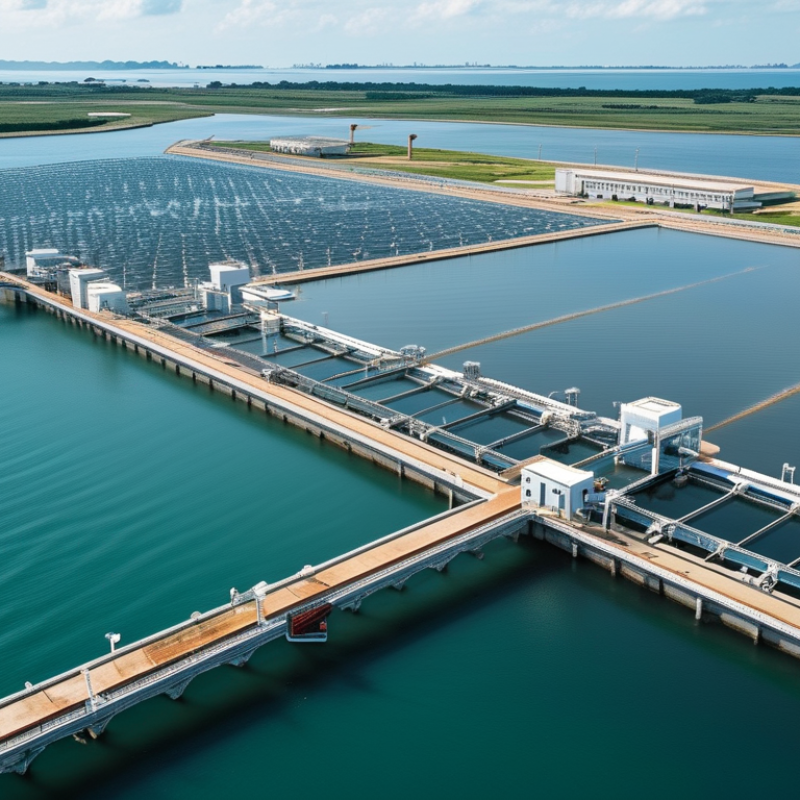
Seawater desalination is becoming essential in meeting global water needs. This technology converts saltwater into fresh drinking water. The process typically involves reverse osmosis or thermal distillation. Each technique has its own cost implications and efficiency levels. Understanding these methods is crucial for assessing the overall performance of a desalination plant.
In reverse osmosis, seawater passes through membranes that remove salt and impurities. Energy consumption is a major factor in operating costs. Thermal distillation relies on heating seawater to vaporize it, leaving salt behind. While this method can be effective, it often requires substantial energy inputs. Evaluating these technologies helps in determining the most sustainable option for specific regions.
The initial investment for a desalination plant can be daunting. However, considering the long-term benefits, it can be worth it. Factors such as energy prices, maintenance costs, and water quality affect the overall financial landscape. Communities must weigh these elements to find the best approach for their water needs. Understanding the technology provides a clearer path to informed decisions.
How to Find the Best Seawater Desalination Plant Cost? - Understanding Seawater Desalination: An Overview of the Technology
| Location | Capacity (m³/day) | Technology Type | Estimated Cost (USD) | Operational Efficiency (%) |
| California, USA | 50,000 | Reverse Osmosis | $45,000,000 | 85 |
| Saudi Arabia | 100,000 | Multi-Stage Flash | $80,000,000 | 90 |
| Australia | 35,000 | Reverse Osmosis | $30,000,000 | 83 |
| United Arab Emirates | 120,000 | Reverse Osmosis | $95,000,000 | 88 |
| Chile | 20,000 | Reverse Osmosis | $15,000,000 | 80 |
Factors Influencing the Cost of Seawater Desalination Plants
When considering the cost of seawater desalination plants, various factors come into play. The technology used plays a significant role. Reverse osmosis is common, yet it varies in efficiency and cost based on system complexity. More advanced systems may reduce energy consumption but can have higher upfront costs.
Operational costs are equally important. Maintenance, labor, and energy consumption will impact long-term expenses. For instance, energy efficiency technologies can lower power costs but may require initial investments. Additionally, the plant’s location matters. Proximity to the ocean affects construction costs and accessibility.
Water quality also influences cost. Salinity levels can require different treatment methods. High salinity typically necessitates more robust systems, leading to increased costs. It's essential to carefully analyze all these variables. Not every plant will fit every need. Sometimes, a less expensive option may come with hidden costs. Identifying the best value requires comprehensive research and assessments tailored to specific conditions and requirements.
Factors Influencing the Cost of Seawater Desalination Plants
Comparative Analysis of Different Desalination Technologies and Costs
Desalination technology has advanced significantly over the years. Different methods, such as reverse osmosis and thermal desalination, offer distinct cost structures. According to a report from the International Desalination Association, the average cost of desalinated seawater ranges from $0.50 to $3.00 per cubic meter. This variation is influenced by technology and location.
Reverse osmosis, which dominates the market, often presents lower energy and operational costs. Reports indicate that it can operate at as little as $0.50 per cubic meter in optimal conditions. However, thermal processes, while typically more expensive at around $2.50 to $3.00 per cubic meter, are still applicable in regions with access to cheap energy, like waste heat from power plants.
Cost assessment should consider not only technology but also local factors. Location plays a crucial role, affecting transportation and operational expenses. The initial investment in infrastructure might be daunting. It’s essential to weigh long-term savings against upfront costs. A careful analysis takes into account both industry reports and site-specific conditions, ensuring a reliable decision in selecting the best desalination solution.
Methods for Estimating the Total Cost of Desalination Projects
Estimating the total cost of seawater desalination projects involves several key factors. Understanding energy consumption is crucial. Energy accounts for a significant portion of the operational costs. Typically, reverse osmosis and thermal distillation methods require different energy inputs. Assessing energy prices in your region can impact the project's feasibility.
Another essential aspect is infrastructure investment. Building a desalination plant involves land acquisition, construction, and equipment costs. Each project has unique logistical challenges. Local regulations and environmental assessments can also add to the total cost. Not every site is suitable for desalination, which necessitates a thorough evaluation.
Project management and maintenance should not be overlooked. Ongoing costs can lead to unexpected financial burdens. Regular maintenance is essential to ensure efficiency and longevity. Operators must factor in potential system failures. Each of these components requires careful consideration to avoid underestimating the total expenditure.
Evaluating Long-term Economic Impacts of Desalination Solutions
Desalination offers a viable solution to water scarcity, but understanding its long-term economic impacts is vital. As global freshwater resources dwindle, reliance on seawater desalination is increasing. A recent report from the International Desalination Association highlights that capital costs can range from $1,000 to $5,000 per cubic meter of installed capacity. This significant investment invites scrutiny regarding the true economic burdens on local communities.
Operating costs also merit evaluation. Energy consumption constitutes a major portion, often exceeding 3-6 kWh per cubic meter of water produced. For regions heavily relying on fossil fuels, long-term economic sustainability may be questioned. Transitioning to renewable energy sources may mitigate these costs but requires upfront investment.
Moreover, environmental impacts must be considered. While desalination plants provide immediate water supply relief, they can generate brine, which threatens marine ecosystems. A careful assessment of these factors is crucial. Engaging with local stakeholders can promote a balanced approach, ensuring that economic gains do not come at the expense of ecological health. Addressing these complexities is essential for sustainable water management in the years to come.





