What is a Fiber Laser Cutting Machine How Does It Work?
The Fiber Laser Cutting Machine has revolutionized the manufacturing industry. According to recent market research, fiber laser cutting technology has seen a 30% increase in adoption over the past five years. This growth highlights its effectiveness and efficiency in cutting various materials.
Expert in laser technology, Dr. Emily Chen, states, "Fiber laser cutting machines deliver precision that traditional methods can seldom match." These machines utilize a high-powered laser beam to slice through materials with exceptional accuracy. They excel in cutting metals, plastics, and ceramics, offering a versatile solution for manufacturers.
However, the rapid developments in this sector mean that companies must continuously adapt. As the market evolves, some businesses may struggle to keep pace with the innovations. Investing in fiber laser cutting technology is not just a trend; it’s a necessary shift for success. Yet, measuring the return on investment remains a challenge for many.
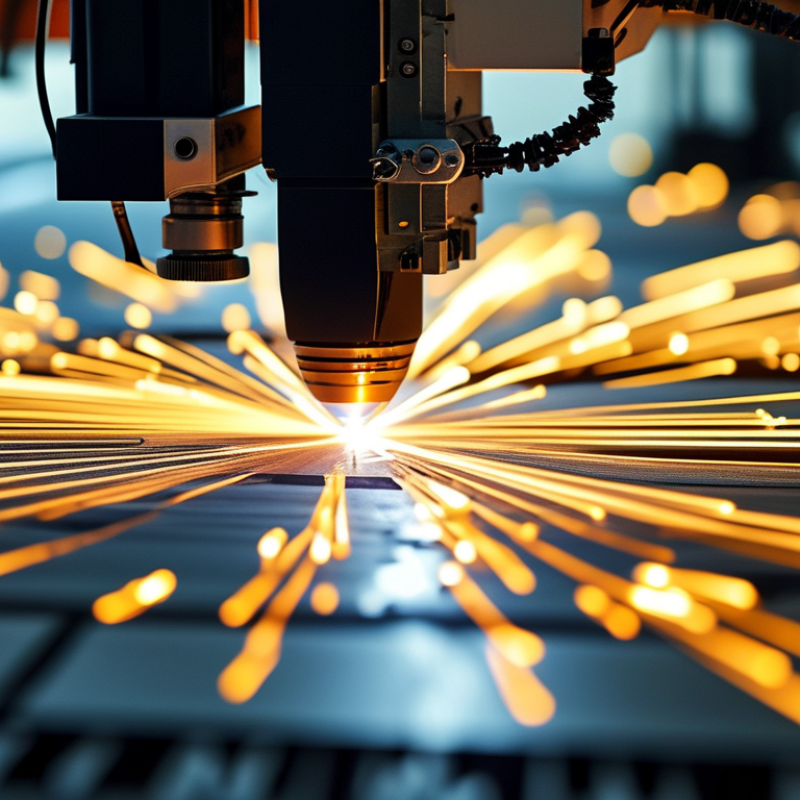
What is a Fiber Laser Cutting Machine?
A fiber laser cutting machine is a key tool in modern manufacturing. It uses focused laser light to cut materials with extreme precision. The primary components include a fiber laser and a CNC system. This technology is known for its efficiency and speed, making it a preferred choice in various industries.
When the laser beam hits the material, it melts or vaporizes it along a defined path. The CNC controls the movement of the cutting head, allowing intricate designs to be created. This cutting technology is suitable for metals such as stainless steel, aluminum, and even some plastics. Operators must be skilled to adjust settings for optimal results.
Tips: Regular maintenance is essential for maximizing the machine’s lifespan. Always ensure that the optics are clean and free of debris. Also, consider the type of material you are cutting. Different materials require specific settings for best results. Take time to experiment and document the outcomes to find the most efficient parameters.
Key Components of Fiber Laser Cutting Machines
Fiber laser cutting machines are revolutionizing the manufacturing industry. They rely on key components that contribute to their efficiency and precision. Among these components, the laser source stands out. It generates a highly concentrated beam, allowing for intricate cuts in metals and other materials. Data shows that fiber lasers can achieve cutting speeds up to three times faster than traditional CO2 lasers, highlighting their technological advancement.
Another crucial element is the cutting head. Equipped with advanced optics, it manages to focus the laser beam effectively. The quality of the cutting head significantly impacts the machine's performance. Reports indicate that a well-designed cutting head can minimize material waste by ensuring cleaner edges. This precision reduces the need for secondary processes, optimizing resource usage.
Additionally, a robust cooling system is essential for maintaining operational efficiency. Without adequate cooling, the machine could overheat, leading to potential downtime. A recent industry analysis suggested that improper cooling could increase maintenance costs by up to 25%. Understanding these components is essential for maximizing the benefits of fiber laser cutting technology. Recognizing areas for improvement, such as cooling efficiency, can lead to greater reliability and enhanced production outcomes.
How Fiber Laser Technology Works
Fiber laser technology utilizes a solid-state laser source for cutting materials with high precision. It generates laser beams by exciting rare earth elements like ytterbium, which provides a high power-to-weight ratio. This efficiency allows for faster cutting speeds and lower operational costs compared to traditional methods. For example, reports indicate that fiber laser cutting can be up to three times faster than CO2 lasers, making it ideal for metal fabrication industries.
The technology operates by focusing the laser beam onto the material's surface, creating a narrow kerf. This process not only enhances the quality of the cut but also minimizes heat-affected zones, reducing warping in thin materials. According to industry data, 75% of users report decreased production times since implementing fiber lasers. However, not all materials respond equally to fiber laser cutting. For instance, while it excels with stainless steel and aluminum, some reflective materials can pose challenges, requiring adjustments in technique.
Moreover, while fiber lasers demonstrate remarkable efficiency, they can be complex to operate. Users must understand the interaction between the laser and various materials. Training and experience play critical roles in maximizing cutting outcomes. Often, operators encounter issues with beam focus and speed adjustments. This continuous learning curve highlights the need for skilled personnel in the field.
Fiber Laser Cutting Machine - Material Cutting Efficiency
Advantages of Using Fiber Laser Cutting Machines
Fiber laser cutting machines have gained popularity due to their precision and efficiency. These machines utilize a high-powered laser beam to cut through various materials. Unlike traditional cutting methods, fiber lasers provide a cleaner and more accurate cut. The key advantage lies in their ability to cut through thick and thin materials with ease.
One major benefit of fiber laser machines is their speed. They operate at high speeds, significantly reducing production time. This leads to increased productivity in manufacturing environments. The technology also minimizes waste by optimizing the cutting path. Additionally, fiber lasers produce less heat, which can preserve the integrity of the materials being cut.
Another notable advantage is their low maintenance requirements. Fiber lasers are designed to be robust and durable. This reduces downtime and maintenance costs, making them an attractive option for businesses. However, it's important to consider the initial investment. While fiber laser machines can be expensive, the long-term savings on operational costs often justify the purchase. Balancing initial costs against operational efficiency is crucial for decision-makers.
What is a Fiber Laser Cutting Machine? How Does It Work? - Advantages of Using Fiber Laser Cutting Machines
| Feature | Description |
| Cutting Technology | Uses fiber laser technology to cut materials with high precision and speed. |
| Materials | Able to cut various metals including steel, aluminum, brass, and copper. |
| Speed | Fiber lasers are significantly faster than traditional CO2 lasers, reducing production time. |
| Efficiency | High energy efficiency, leading to lower operational costs and reduced power consumption. |
| Maintenance | Requires less maintenance compared to other types of laser cutting machines. |
| Cut Quality | Produces clean cuts with minimal dross and excellent edge quality. |
| Software Compatibility | Compatible with various CAD software for easy design and programming. |
Applications of Fiber Laser Cutting in Various Industries
Fiber laser cutting technology is transforming various industries. Its precision and speed make it ideal for metal, plastic, and fabric cutting. In the automotive sector, fiber lasers streamline the manufacturing process. They enable intricate designs while ensuring high-quality edges. This technology reduces waste, making it more efficient.
In aerospace manufacturing, accuracy is critical. Fiber lasers excel in cutting complex components. They can maintain tight tolerances required for safety-critical parts. This minimizes the need for additional finishing processes, saving time and resources. However, some companies find integration with traditional methods challenging. The transition can lead to unanticipated downtime.
The medical industry also benefits significantly from fiber laser cutting. It allows for the production of precise medical devices and implants. Custom cuts are achievable without compromising on quality. Still, operators must continuously improve their skills to keep pace with the technology. Training can lag behind, creating gaps in efficiency.





