What is a Fiber Laser Cutting Machine and How Does it Work?
In the rapidly evolving landscape of manufacturing, the Fiber Laser Cutting Machine stands out as a transformative technology. According to a recent report by MarketsandMarkets, the fiber laser cutting market is projected to reach USD 5.5 billion by 2025, reflecting a CAGR of 8.8%. This growth underscores the industry's shift towards automation and precision.
Fiber lasers offer remarkable benefits, including high speed and efficiency. They can cut through various materials, such as metals and plastics, with extreme accuracy. For instance, metal cutting with fiber lasers reduces kerf width, resulting in less material waste. However, the initial investment can be substantial, which may deter small businesses.
As this technology advances, operators must adapt their skills. Understanding the intricacies of Fiber Laser Cutting Machines is crucial. While these machines streamline the cutting process, miscalculations in settings can lead to defects. Continuous learning and training are vital to maximize potential and mitigate risks. Embracing feedback and refining techniques can elevate operational success in this highly competitive environment.
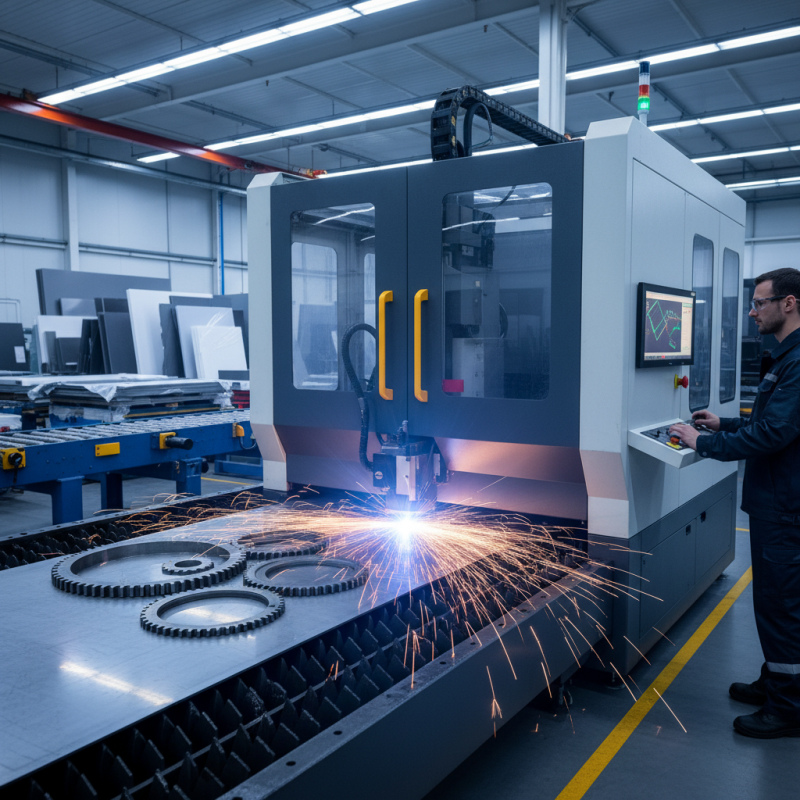
What is a Fiber Laser Cutting Machine?
A fiber laser cutting machine is a powerful tool used in various industries. It utilizes a fiber laser to cut through materials with high precision. This technology has gained popularity due to its efficiency and versatility.
The core of this machine lies in its fiber laser source. It generates a concentrated beam of light that is directed towards the material. The light's energy is absorbed, causing the material to heat up and melt. This process allows for clean and speedy cuts. The precision is impressive, often resulting in minimal waste and fine details.
However, operating a fiber laser cutting machine requires skill and knowledge. Mistakes can lead to errors in cutting and wasted materials. Understanding the machine's settings is crucial. Each material has different requirements. Users must continuously learn and adapt to avoid costly mistakes.
Key Components of a Fiber Laser Cutting Machine
Fiber laser cutting machines have revolutionized the way materials are processed. Understanding their key components provides insight into their functionality and advantages.
At the heart of a fiber laser cutting machine is the fiber laser source. This source generates high-intensity laser beams by utilizing a fiber optic medium. It is known for excellent beam quality and efficiency. The machine's cutting head, equipped with optics, focuses the laser beam on the material. This intense focus allows for precise cuts and minimal heat-affected zones. The nozzle plays a crucial role as well, assisting in the cutting process by blowing away molten material.
Another vital component is the motion system. Usually based on high-precision servomotors, it ensures the cutting head moves exactly as needed. Many machines utilize sensors to enhance accuracy. However, the calibration of these systems can sometimes be imperfect, leading to discrepancies in cuts. Regular maintenance is essential to prevent these issues. The control system also requires careful consideration. It interprets design files and directs the cutting path. A poorly configured system can lead to errors, showcasing the need for expertise in operation.
How Fiber Laser Cutting Technology Works
Fiber laser cutting technology harnesses the power of focused laser beams to cut through various materials. The process begins with a laser generator that produces light energy. This light travels through fiber optic cables, which amplify and direct it. The finely focused beam then hits the material, creating intense heat. As the beam moves, it melts or vaporizes the material with high precision.
The technology works exceptionally well on metals, plastics, and other materials. It requires skilled operators to adjust settings for different types of materials. If the settings are not optimal, the results can be less than satisfactory. Inexperienced users may find challenges in aligning the laser with the material, leading to imperfect cuts.
Despite the efficiency of fiber laser cutting, there are limitations to consider. Not all materials respond well to laser cutting; some may produce harmful fumes. Maintenance of the machinery is also crucial for consistent performance. Understanding these aspects requires expertise and experience. Effective training can mitigate many of these issues. This complexity is part of the appeal, as mastering fiber laser cutting opens up new opportunities in manufacturing and design.
What is a Fiber Laser Cutting Machine and How Does it Work?
| Feature | Description |
| Type of Laser | Fiber Laser |
| Wavelength | 1064 nm |
| Cutting Speed | Up to 30 m/min |
| Thickness Capacity | Up to 25 mm for steel |
| Applications | Metal cutting, engraving, welding |
| Advantages | High precision, low maintenance, energy efficient |
| Cooling Method | Air cooling or water cooling options |
| Control System | Numerical Control (NC) with software integration |
Applications of Fiber Laser Cutting Machines
Fiber laser cutting machines have become essential in various industries due to their precision and efficiency. These machines are widely used in metal fabrication. They excel at cutting complex shapes with clean edges. Automotive and aerospace sectors highly value them for their accuracy. This technology can cut through metals like steel and aluminum with ease. The high-speed operation reduces production times significantly.
In addition to aerospace and automotive, fiber lasers find applications in crafting intricate designs for jewelry. They can create fine details that traditional methods struggle to achieve. The medical device industry also benefits from laser cutting for creating precision components. However, the setup process can be tricky. Proper calibration is crucial for achieving desired results. Failing to do this may lead to material wastage and increased costs.
Furthermore, educational institutions are exploring fiber laser systems for training purposes. Students learn valuable skills that can be applied in manufacturing jobs. But, it is vital to understand the safety protocols involved. Inexperienced users can face hazards if proper guidelines are ignored. Overall, the flexibility and precision of fiber laser cutting machines continue to shape various industries.
Advantages of Using Fiber Laser Cutting Machines
Fiber laser cutting machines represent a significant advancement in manufacturing technology. They offer several advantages that enhance productivity and precision. One major benefit is their speed. According to a report by the International Journal of Advanced Manufacturing Technology, fiber laser cutting can be up to five times faster than traditional methods. This efficiency reduces production time and operational costs.
Another notable advantage is precision. Fiber lasers produce finer beams, allowing for intricate designs without compromising quality. This capability is vital in industries like aerospace and automotive, where the accuracy of cuts can impact overall safety. The same journal highlights that fiber lasers can achieve tolerances within ±0.1 mm. This precision minimizes waste in materials, making the process not only economical but also environmentally friendly.
Tip: Regular maintenance of your fiber laser cutting machine is crucial. This helps maintain optimal performance and extends the lifespan of the equipment. Additionally, operators should stay updated on technological advancements. Emerging innovations could further enhance cutting efficiency and capabilities. Investing in training soft skills is equally important. Good communication can reduce errors during the setup process.





