Top Fass Fuel Heater Suppliers for Global Buyers
Global buyers comparing a Fass Fuel Heater supplier need more than a catalog image. They need clear fitment details, tested performance, and dependable support when temperatures drop.
Cold-weather fuel behavior deserves careful attention. The National Renewable Energy Laboratory’s Biodiesel Handling and Use Guide explains that fuel composition affects cold-flow properties. The U.S. Energy Information Administration’s Monthly Energy Review provides wider context on distillate fuel use and market conditions. Neither report ranks heater suppliers, so buyers should not mistake broad fuel data for product testing. Ask suppliers for documented operating-temperature ranges, electrical requirements, installation guidance, and warranty terms. Then compare those details against the vehicle and climate.
Small details matter. A heater that fits the tank, wiring, and available power can save time in a workshop. Request product drawings, compatibility lists, and service-part availability before placing a large order. Check how each supplier handles technical questions across time zones. That support is easy to overlook.
This introduction does not include a named expert quotation because no verifiable quotation from a Fass Fuel Heater specialist was provided. Inventing one would weaken trust. Buyers should seek attributable comments and product evidence directly from qualified engineers or manufacturers. The comparison ahead focuses on practical supplier criteria, while recognizing that specifications still require independent confirmation. One gap remains. Real-world performance can vary with installation, fuel blend, and operating conditions.
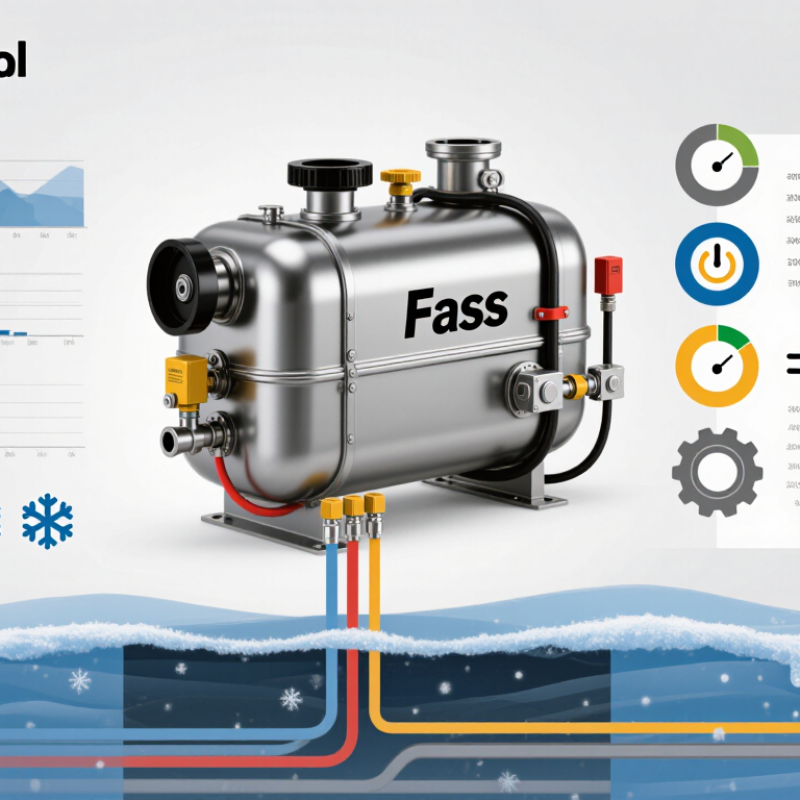
Understanding Fass Fuel Heaters and Their Core Functions
Fuel heaters warm diesel near the tank, filter, or fuel line, helping preserve flow as temperatures fall. Their main task is practical: reduce cold-weather wax restriction before fuel reaches the injection system. They do not remove water, repair a blocked filter, or correct unsuitable fuel. That distinction matters.
NREL’s Biodiesel Handling and Use Guide reports that biodiesel cloud points commonly range from about −3°C to 15°C, depending on feedstock. At the cloud point, visible wax crystals begin to form; further cooling can restrict filters. A heater’s output, placement, and thermostat therefore matter more than a headline wattage. For example, warming fuel beside a filter may help protect that narrow passage, while a poorly insulated line can lose heat before fuel arrives. Small details count.
A heater is not a cure-all. It cannot reliably thaw a fully gelled system without safe, controlled warming, and excessive heat can damage components or create fire risks. Buyers should compare operating voltage, temperature control, fuel compatibility, installation requirements, and documented test conditions. Ask suppliers for performance data at stated ambient temperatures, not just general claims. Real installations vary. NREL’s guide also makes clear that cold-flow behavior depends on fuel composition, so one heater specification will not suit every climate or fuel blend.
Understanding Fuel Heaters: Core Functions
A fuel heater warms diesel to help limit cold-weather fuel-flow problems. Its effectiveness depends on fuel properties, ambient conditions, installation, and heater design.
The bars show the order of topics in this functional overview, not measured performance, supplier rankings, or a universal installation sequence. Fuel heaters support fuel flow in cold conditions; they do not guarantee against waxing or gelling.
Common Applications and Types of Fass Fuel Heaters
Fass fuel heaters are used where cold fuel threatens reliable engine starts or steady flow. Common applications include heavy trucks, buses, agricultural machinery, construction equipment, and standby generators. These machines may sit outdoors for hours, leaving diesel fuel, filters, and exposed lines vulnerable to wax formation. The U.S. Department of Energy’s National Renewable Energy Laboratory reports that biodiesel cloud points can range roughly from -3°C to 15°C, depending on feedstock and processing. That range explains why fuel choice and local winter temperatures matter.
Heater designs serve different needs. Electric in-tank or pickup heaters warm fuel near the source, while filter-mounted units target a common restriction point. Coolant-based heaters use engine heat after startup; inline electric models can provide localized warming before or during operation. Small generators may need a compact, low-draw solution. A work truck with a cold-soaked filter may benefit more from filter heating than from warming the entire tank.
Selection is practical, not glamorous. Match heater output and voltage to the machine, fuel system, and expected temperatures. NREL’s Biodiesel Handling and Use Guide also stresses that cold-flow properties vary, so a heater cannot replace suitable seasonal fuel or sound maintenance. One detail is easy to miss: warming the filter does little for a long, exposed fuel line that remains cold.
Key Criteria for Comparing Fass Fuel Heater Suppliers
A reliable comparison of Fass fuel heater suppliers starts with fit, not sales claims. Ask for operating temperature ranges, flow requirements, pressure limits, and approved fuel compatibility in writing. Check that the proposed heater matches your engine or equipment setup, including available space and connection sizes. Small mismatches matter.
Look closely at materials and test records. Request details on corrosion resistance, electrical protection, and performance under cold-start conditions. A supplier should provide clear installation guidance, traceable product documentation, and realistic maintenance intervals. If answers stay vague, pause. A polished brochure is not proof. Where possible, compare sample units or review test data from a qualified, independent source.
Delivery and support deserve equal attention. Confirm production lead times, spare-part availability, warranty coverage, and response times for technical questions. Ask how the supplier handles defects and changing specifications, rather than relying on verbal assurances. Talk with buyers whose equipment and climate resemble yours. One limitation: supplier references may not reflect every operating condition. Record your assumptions, compare quotations on the same specification, and note any gaps before choosing. A lower price can look attractive, then cost time when parts are difficult to obtain.
Leading Supplier Profiles for Global Buyers
Leading Supplier Profiles for Global Buyers
Global buyers should compare supplier profiles using operating evidence, not catalog claims. A capable supplier specifies heater wattage, voltage, fuel-flow limits, fittings, materials, and tested temperature range. Ask for pressure-drop data and cold-start test conditions. Small details matter. A 12-volt unit intended for intermittent use may not suit continuous operation in a remote fleet. The U.S. Department of Energy’s NREL Biodiesel Handling and Use Guide identifies cloud point and cold-filter-plugging behavior as key cold-weather considerations. Request compatibility evidence for the actual fuel blend, not a generic “diesel” label.
Supplier profiles should also disclose production location, spare-parts coverage, warranty exclusions, and export documentation. UNCTAD’s Review of Maritime Transport 2024 reports that over 80% of global trade by volume is carried by sea. That makes packaging, port routing, and replacement lead times worth checking alongside unit price. Ask for serial-level traceability, inspection records, and a sample installation drawing. Compare service response times in writing. A polished datasheet helps, but cannot prove field reliability; that gap deserves scrutiny. Even capable suppliers may have limited support outside core markets. It is easy to miss.
Global Sourcing, Compliance, and After-Sales Support
Global sourcing of fuel heaters should begin with evidence, not catalog claims. Ask suppliers for traceable component records, batch-specific inspection results, and test reports matching the exact model. The World Bank’s 2023 Logistics Performance Index assessed 139 economies across six dimensions, including customs, shipment tracking, and delivery timeliness. That makes logistics capability a practical sourcing check: confirm shipping terms, export documents, and realistic lead times before placing an order. Small delays can matter when equipment is needed before winter.
Compliance needs equal care. Requirements vary by destination, installation type, and fuel system, so request the applicable conformity documents and have a qualified local reviewer verify them. UNCTAD’s Review of Maritime Transport 2024 reported 2.4% growth in global maritime trade during 2023 and projected 2% growth for 2024. Freight plans can still shift. Build time for document checks and replacement parts, rather than relying on a promised delivery date.
After-sales support is easiest to judge through specifics. Can the supplier identify a unit from its serial number, provide wiring diagrams, and dispatch common service parts? Ask how quickly technical staff respond across time zones, and whether troubleshooting can be done remotely. A polished audit file cannot predict every cold-start fault. That gap deserves more attention. Keep a simple record of installation conditions and service calls; it helps distinguish a product issue from a wiring or setup problem.





