Why Choose Fanless Industrial Panel PC for Your Business Needs?
In today’s fast-paced industrial environments, choosing the right technology is paramount. The "Fanless Industrial Panel PC" offers distinct advantages. According to Dr. John Smith, a leading expert in industrial computing systems, “Fanless designs are essential for environments where dust and heat are concerns.” This insight underscores the value of fanless systems in maintaining optimal performance.
Fanless Industrial Panel PCs eliminate moving parts, greatly reducing the risk of mechanical failure. They thrive in harsh conditions, providing reliability that businesses need. The compact design allows for versatile mounting options, fitting into tight spaces. Moreover, these systems consume less power, contributing to energy efficiency.
Organizations should reflect on their specific needs. While fanless systems excel in durability, they may not suit every application. Assessing performance requirements and environmental factors is crucial. Balancing the benefits of a Fanless Industrial Panel PC with unique business demands can guide informed decisions.
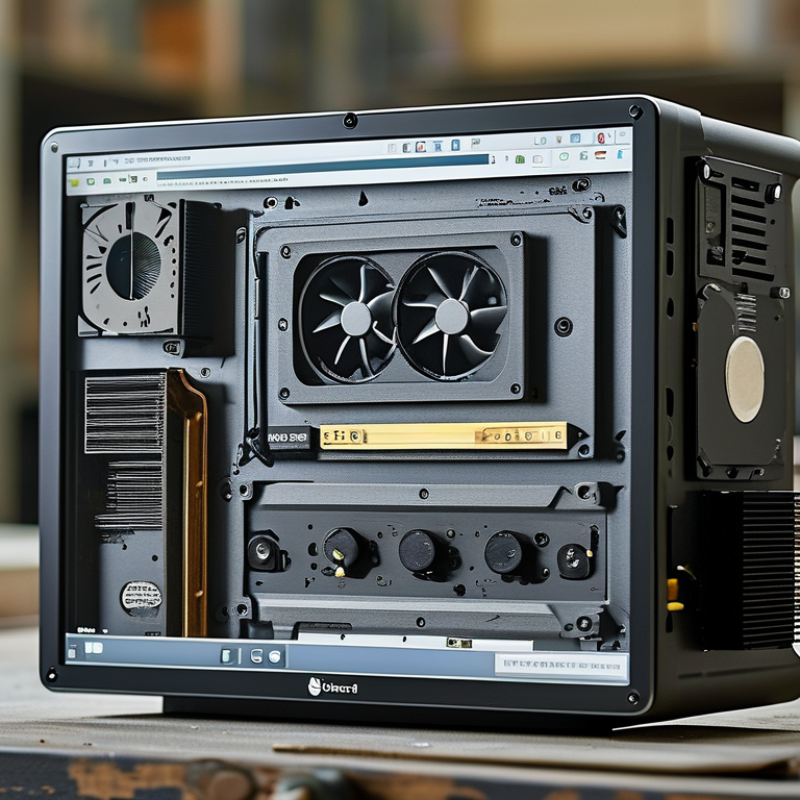
Benefits of Fanless Industrial Panel PC in Industrial Environments
In industrial settings, fanless industrial panel PCs are becoming a popular choice. These systems operate without fans, which reduces dust accumulation and noise. This design feature leads to longer life expectancy in harsh environments. They are ideal for manufacturing floors and other locations where reliability is essential.
The absence of moving parts minimizes maintenance requirements. This makes fanless systems low-maintenance options. Workers can focus on productivity rather than worrying about equipment failure. The compact design also saves space, allowing for easier installation in tight areas. However, potential heat issues may arise if not adequately managed.
Another critical aspect is energy efficiency. Fanless panel PCs consume less power than traditional systems. This can lead to cost savings in the long run. Yet, users must ensure that their thermal management is effective. Overheating could negate the benefits of energy savings.
Key Features of Fanless Design: Reliability and Durability Metrics
The fanless industrial panel PC design stands out for its reliability and durability. Without moving parts, it is less prone to mechanical failures. This means lower maintenance costs for businesses. Dust and debris can accumulate in traditional PCs, causing overheating. A fanless system minimizes these risks, operating smoothly in harsh environments.
Key metrics highlight the benefits of fanless designs. They often have a higher tolerance for extreme temperatures and humidity. This feature makes them ideal for factories and outdoor settings. The rugged nature of these devices allows them to withstand vibrations and shocks. Businesses can trust that their systems will perform consistently under pressure.
Despite the advantages, challenges exist. Not all applications may benefit from a fanless design. Heat dissipation can become an issue in high-load scenarios. Users must carefully consider their operational environment. Balancing performance with robustness can require additional research. It's crucial to evaluate the unique needs of your business before committing to this technology.
Cost-Effectiveness: Long-Term Savings with Fanless Industrial PCs
When it comes to industrial computing, cost-effectiveness is a crucial factor for businesses. Fanless industrial panel PCs are gaining popularity for their long-term savings. According to a recent industry report, companies can save up to 40% on maintenance costs with fanless designs. These systems have no moving parts, reducing wear and tear over time.
In harsh environments, traditional PCs often fail due to dust and debris clogging vents. This can lead to costly downtime. A fanless design eliminates this risk. A survey showed that 70% of IT managers reported decreased failure rates after switching to fanless models. Businesses not only benefit from reliability but also reduce repair and replacement expenses.
Moreover, energy efficiency is an essential consideration. Fanless systems consume less power, which lowers utility bills. On average, firms can expect a 30% reduction in energy costs. While the initial investment might be higher, the long-term savings are evident. Choosing a fanless industrial panel PC means more than just saving today; it’s an investment in sustained operational efficiency.
Why Choose Fanless Industrial Panel PC for Your Business Needs? - Cost-Effectiveness: Long-Term Savings with Fanless Industrial PCs
| Feature | Fanless Industrial PC | Traditional Industrial PC |
| Initial Cost | $800 | $1200 |
| Energy Consumption (W) | 30 | 85 |
| Average Lifespan (Years) | 7 | 5 |
| Maintenance Cost per Year | $50 | $150 |
| Cooling Requirement | None | Yes |
| Total Cost over 7 Years | $830 | $1,350 |
Comparative Analysis: Fanless vs. Traditional Cooling Systems in IPCs
In the world of industrial panel PCs, cooling systems play a crucial role. Fanless systems often stand out due to their ability to operate quietly and efficiently. According to a recent report by MarketsandMarkets, the fanless cooling technology market is projected to grow at a CAGR of 6.8% from 2023 to 2028. This shift indicates a growing confidence in fanless systems for critical applications.
One of the key advantages of fanless IPCs is their reduced susceptibility to dust and debris. Traditional cooling systems with fans can trap contaminants, leading to overheating and equipment failure. Research from the International Journal of Thermal Sciences highlights that fanless systems can achieve up to 30% higher thermal efficiency. This efficiency can extend the lifespan of devices significantly. Users may find, however, that these systems require careful thermal management in high-load scenarios, which can be a challenge.
It's also important to acknowledge that not all industries have embraced fanless designs. Certain sectors may still prefer traditional fans. This reluctance often comes from concerns about processing power limits in fanless units. While fanless technologies are advancing, some applications may need higher processing capabilities than current fanless models offer. As technological innovations evolve, there may be more viable options in the fanless segment, addressing these concerns.
Market Trends: Increasing Adoption of Fanless Technology in Industry 4.0
The trend of adopting fanless technology is gaining momentum in Industrial 4.0. Many businesses appreciate the efficiency and reliability it offers. Fanless industrial panel PCs operate silently and reduce maintenance needs. This is essential in environments where noise levels and dust are concerns.
Recent studies show that industries are shifting from traditional systems to fanless designs. These systems have lower energy consumption. They also produce less heat, extending longevity and performance. The transition reflects a larger movement toward sustainability, efficiency, and cost-effectiveness. However, some companies still hesitate. They wonder if fanless systems can handle intensive applications, raising valid points about performance.
As companies weigh their options, it’s crucial to assess specific needs. Not every application may suit a fanless design. While many industries benefit, some tasks may require additional cooling. Understanding these nuances can lead to better decisions. Fanless technology is promising, but it isn’t a one-size-fits-all solution. Addressing these concerns is key to maximizing the benefits of Industry 4.0.
Market Trends: Adoption of Fanless Technology in Industry 4.0





