Half Culvert Pipe Essential Tips for Global Buyers?
In the ever-evolving construction industry, understanding the nuances of the Half Culvert Pipe is essential for global buyers. Paul Thompson, a leading expert in culvert design, emphasizes, "Choosing the right type of Half Culvert Pipe can significantly impact both project longevity and environmental sustainability." As infrastructure projects become more complex, the demand for reliable and efficient materials grows.
Half Culvert Pipes play a crucial role in managing water flow and preventing erosion. However, buyers must navigate various options and specifications. Many overlook the importance of material quality and local regulations, which can lead to costly mistakes. It’s vital to know the details of your project’s requirements and consult with professionals.
Making informed choices means recognizing potential pitfalls. Some buyers may rush into purchasing without adequate research, resulting in functional problems down the line. The Half Culvert Pipe industry offers diverse solutions, but it requires careful consideration and expert advice to ensure optimal performance and compliance.
Importance of Half Culvert Pipes in Water Management Systems
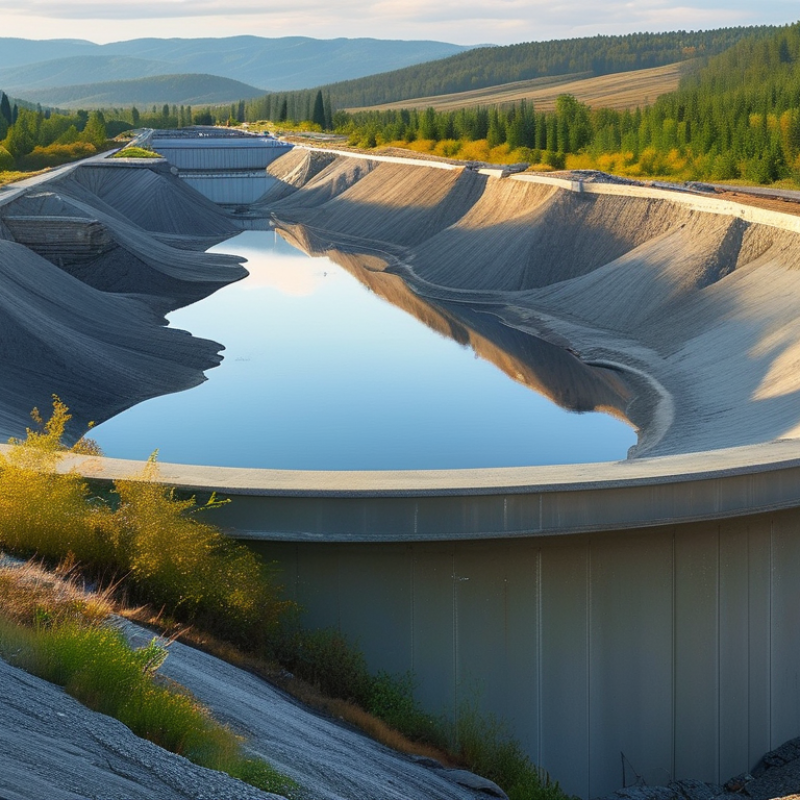
Half culvert pipes play a critical role in effective water management systems. These pipes allow for the proper drainage of excess water, helping to prevent flooding in surrounding areas. Their design facilitates the smooth flow of water, which is essential for maintaining environmental balance. Properly placed, these pipes can redirect water from roads and fields, minimizing erosion and protecting infrastructure.
In many regions, inadequate drainage systems pose significant challenges. Unmanaged water can lead to severe consequences, such as land degradation or damage to homes. Half culvert pipes mitigate these risks by channeling water efficiently, but they require careful planning. Ensuring they are installed at appropriate slopes and depths is crucial for optimal performance. Neglecting these factors may lead to inefficiencies, as poorly managed pipes can result in blockages or even reverse flows.
Global buyers must understand local conditions when selecting half culvert pipes. Each region has unique challenges, from soil type to rainfall patterns. Analyzing these factors can enhance the effectiveness of drainage systems. Buyers should also consider debris potential, as clogs can diminish pipe functionality. Engaging with local experts can offer valuable insights. Relying on generic information could lead to costly mistakes in water management systems.
Key Material Specifications for Half Culvert Pipe Selection
When selecting a half culvert pipe, understanding material specifications is crucial. Different materials offer various characteristics that influence performance and durability. Common materials include concrete, steel, and plastic. Each has unique benefits and drawbacks. For example, concrete pipes are robust and withstand heavy loads, but they are often heavier and more challenging to install.
Here are some essential tips for choosing the right pipe. Evaluate the environmental conditions. Factors like soil type and water flow rates will impact your selection. Make sure to assess the pipe's diameter, as it should accommodate the expected water volume. Additionally, consider the expected lifespan of the material. A pipe that lasts longer can reduce long-term costs.
Lastly, keep in mind installation requirements. Some materials may require special tools or skilled labor. In some cases, lighter pipes may be easier to handle, but they might not perform well under specific conditions. It’s essential to reflect on both immediate needs and long-term goals in your decision-making process. This multi-faceted approach will lead to a more satisfactory selection.
Global Market Trends for Half Culvert Pipes and Their Implications
The global market for half culvert pipes is evolving. Buyers must stay informed about recent trends. These pipes are critical in infrastructure projects. They aid in water management and transportation needs across various regions.
Emerging economies show heightened demands for half culvert pipes. Urbanization drives infrastructure development. This trend leads to increased construction activities. However, fluctuations in material costs can pose challenges. Suppliers must maintain transparency in pricing to foster trust. Buyers should analyze local regulations that impact procurement.
Sustainability considerations are paramount. Many buyers prioritize eco-friendly materials. This shift leads to innovative pipe designs and production methods. Some manufacturers fall short in meeting these demands. The challenge lies in balancing quality and sustainability without sacrificing performance. Buyers should cultivate relationships with reliable suppliers who share their values.
Global Market Trends for Half Culvert Pipes
Installation Best Practices for Optimal Performance of Half Culvert Pipes
When installing half culvert pipes, attention to detail is crucial for ensuring optimal performance. The alignment of the pipes is a key factor. Misalignment can lead to drainage issues over time. It is essential to excavate the site properly, allowing for a stable base. Ensure the ground is level to prevent shifting after installation.
Another tip is to secure the pipes effectively. Using the right materials for joints is vital. Over time, weak joints can deteriorate, leading to leaks. Regular inspections after installation can identify potential problems early. Ensure that the backfill material used around the pipe is compacted to avoid settling.
Finally, consider the environmental impact. The choice of materials and design can influence local ecosystems. Reflect on sustainable practices during installation. This approach not only enhances the pipe's performance but also promotes environmental conservation. A thoughtful installation strategy can lead to long-lasting results.
Future Innovations and Sustainability in Half Culvert Pipe Manufacturing
Innovations in half culvert pipe manufacturing are gaining traction. As sustainability becomes crucial for industries, manufacturers are exploring eco-friendly materials. Research shows that around 30% of the global construction market is shifting towards sustainable practices. This shift influences the production of half culvert pipes, with a focus on reducing carbon footprints.
According to recent industry reports, approximately 25% of half culvert pipes will be produced from recycled materials by 2025. This move not only supports waste reduction but also motivates companies to rethink their supply chains. Many manufacturers are investing in advanced technologies. These technologies enhance production efficiency and reduce energy consumption, addressing both economic and environmental concerns.
However, challenges remain. Many manufacturers still rely on traditional materials. Shifting to sustainable alternatives can incur higher costs initially. Additionally, the lack of standardization in sustainable practices across regions can lead to inconsistencies in quality. This underlines the need for industry collaboration and knowledge sharing to drive meaningful progress in sustainability efforts.
Half Culvert Pipe Essential Tips for Global Buyers
| Aspect | Description | Importance |
| Material Selection | Choose corrosion-resistant and durable materials like HDPE or PVC. | Ensures longevity and reduces maintenance costs. |
| Size and Dimensions | Proper sizing to manage water flow and ensure structural integrity. | Critical for effective drainage and prevention of flooding. |
| Manufacturing Standards | Adhere to international quality standards like ASTM or ISO. | Guarantees product reliability and compliance with regulations. |
| Sustainability Practices | Utilize eco-friendly materials and processes to reduce environmental impact. | Supports global sustainability goals and enhances brand reputation. |
| Supplier Verification | Conduct thorough background checks on suppliers. | Ensures product quality and consistency. |
| Shipping and Logistics | Plan for efficient transport to minimize delays and costs. | Improves supply chain efficiency and reduces overall expenses. |
| Quality Control | Implement strict quality checks during and after manufacturing. | Ensures high standards and customer satisfaction. |





