10 Essential Tips for Choosing Castment Window Aluminum Profile?
Choosing the right Castment Window Aluminum Profile can significantly impact building aesthetics and energy efficiency. According to industry reports, aluminum profiles constitute over 20% of the materials used in window manufacturing. This statistic highlights their importance in construction. The strength, durability, and flexibility of aluminum make it a top choice among architects and builders.
Quality should not be compromised when selecting a Castment Window Aluminum Profile. Professionals recommend evaluating thermal performance and corrosion resistance. Reports indicate that high-quality aluminum profiles can improve energy efficiency by up to 30%. However, it's essential to assess potential trade-offs, such as cost and availability.
Navigating the vast options available can be overwhelming. Many customers encounter difficulties in balancing quality and price. This inconsistency often leads to regrets after installation. Seeking advice from industry experts can provide clarity. Investing in reliable profiles is crucial, yet many overlook this aspect in favor of immediate savings. Prioritizing long-term benefits over short-term gains is key to making informed decisions.
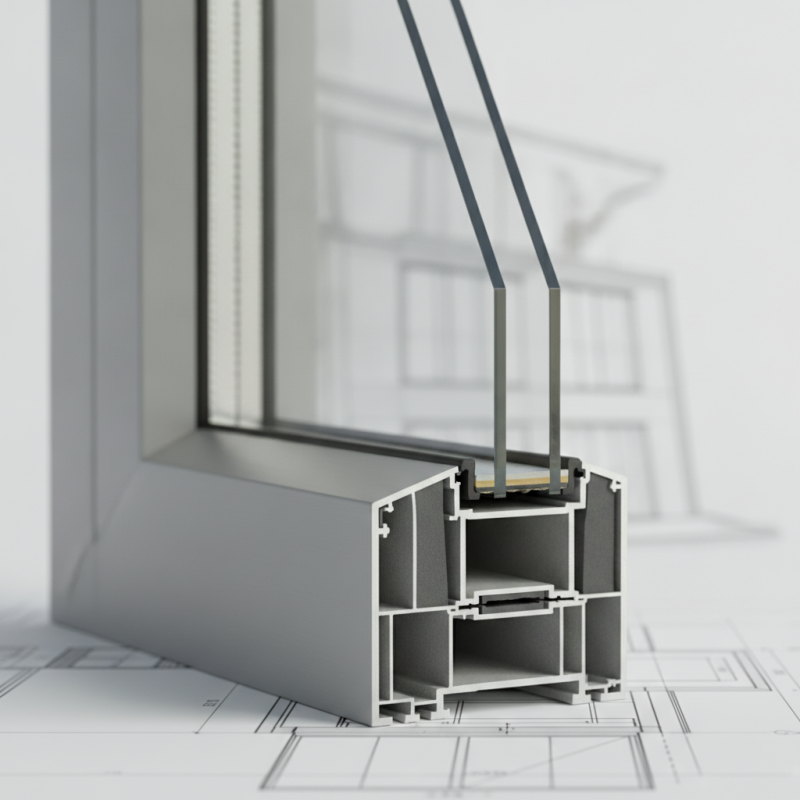
Understanding Aluminum Profiles in Castment Windows: An Overview
When selecting aluminum profiles for casement windows, understanding their characteristics is crucial. Aluminum is a favored material due to its strength, lightweight nature, and resistance to corrosion. Apart from these benefits, aluminum profiles allow for various designs and colors. This flexibility can enhance the aesthetic of any building.
However, not all aluminum profiles are made equal. It’s vital to examine the thickness and treatment of the profiles. Thinner profiles may reduce costs but could compromise durability. Over time, they may bend or warp under pressure. Check for anodized finishes or paint coatings, as they enhance longevity. These details might seem minor but play a significant role in the overall performance and appearance of windows.
Cost can sometimes overshadow quality. While it’s tempting to choose cheaper options, they may lead to bigger issues down the line. Regular maintenance can mitigate some concerns, but remember that investing in quality materials pays off. Prioritize your needs, such as insulation and structural integrity. The right choice is not just about immediate costs; it’s about long-lasting value and reliability.
Comparative Analysis of Aluminum Alloys for Durability and Performance
When choosing aluminum alloys for castment window profiles, durability is paramount. Different alloys offer various strengths and weaknesses. For example, 6061 and 6063 are common choices, each with distinct properties. 6061 is strong and resistant to corrosion but may not be as smooth for aesthetic finishes. In contrast, 6063 is more malleable, making it great for complex shapes but potentially less durable under heavy loads.
Performing comparative analysis is crucial. Understanding the tensile strength, corrosion resistance, and thermal conductivity of different alloys will guide your choice. Durability isn’t just about strength—it's also about how the aluminum reacts to environmental factors. Frequent exposure to moisture or extreme temperatures can dramatically affect longevity. Many consumers overlook this aspect, which is critical for windows.
Visualize the finished product. Will it withstand the local weather? Consider your environment carefully. Using low-quality materials can lead to frequent repairs or replacements. Assess your needs thoroughly before making a decision. A reliable choice today can save you time and cost in the long run. Don't rush this process; a thoughtful evaluation will benefit your project immensely.
10 Essential Tips for Choosing Castment Window Aluminum Profile
| Aspect | Aluminum Alloy | Strength (MPa) | Weight (kg/m²) | Corrosion Resistance (Years) | Thermal Conductivity (W/m·K) |
| General Purpose | 6063 | 240 | 3.0 | 10 | 200 |
| Structural Applications | 6061 | 310 | 2.8 | 12 | 180 |
| Marine Applications | 5005 | 210 | 3.2 | 15 | 190 |
| Architectural Applications | A356.0 | 350 | 2.7 | 8 | 220 |
Factors Influencing Thermal Insulation in Aluminum Window Profiles
When selecting aluminum profiles for casement windows, thermal insulation becomes a key concern. The design of an aluminum profile can greatly influence how well it retains heat. Profiles with a thermal break feature help significantly improve energy efficiency. This feature consists of a plastic or similar material placed between the two aluminum sections, reducing heat transfer.
Additionally, the thickness of the profile and the type of glass used play crucial roles. Thicker profiles can provide better insulation, while dual-pane glass offers enhanced thermal performance. Air gaps between glass panes also add a layer of insulation, helping to maintain indoor temperatures. However, not all profiles are created equal. It's essential to examine the specifications and ratings of each product.
Notably, some manufacturers might overstate the effectiveness of their designs. It's advisable to consult independent studies or expert assessments. The insulation performance can vary based on your region's climate. Consider consulting with professionals for tailored advice. Finding the right balance between aesthetics and functionality may require reflection and careful thought. Prioritizing thermal insulation can result in long-term savings and comfort in your living space.
Evaluating Surface Treatments and Finishes for Longevity and Aesthetics
When selecting an aluminum profile for casement windows, surface treatments play a crucial role. A good surface finish not only enhances aesthetic appeal but also significantly increases durability. According to a report by the Aluminum Association, profiles with anodized finishes show a corrosion resistance increase of up to 25%. Such finishes are essential, especially in coastal areas where salt exposure is high.
Powder coating is another popular option. It adds color and a protective layer. Studies indicate that powder-coated finishes can last up to 20 years without chipping or fading under normal conditions. However, not all powder coatings are equal. The thickness and application technique greatly affect performance. Attention to detail here can prevent costly repairs down the line.
Consider environmental factors when choosing surface treatments. UV exposure, humidity, and temperature fluctuations can deteriorate finishes over time. Reports suggest that untreated surfaces may fail within five years in harsh weather. Understanding local conditions can guide the selection process. It's essential to weigh these factors carefully for long-term satisfaction.
Cost-Benefit Considerations in Selecting Aluminum Profiles for Windows
When selecting aluminum profiles for windows, understanding cost-benefit considerations is crucial. Investing in quality materials can save money in the long run. Cheaper options may seem appealing initially but often lead to higher maintenance costs. Look for profiles that offer durability and energy efficiency. They often pay off through lower heating and cooling costs.
Choosing the right profile involves balancing upfront costs with future savings. Consider the lifespan of the material. High-quality aluminum may have a higher price tag but can last decades. Additionally, carefully examine the warranty options. A solid warranty can indicate reliability and provide peace of mind.
Here are a few tips to guide your choice. First, focus on the thermal performance of the aluminum profiles. Cold drafts can lead to increased energy bills. Second, consider the aesthetic appeal. A well-designed window enhances a home’s value. Lastly, don’t overlook the importance of proper installation. Poor installation can lead to leaks and decreased efficiency. Taking these factors into account will ensure a wise investment.
Cost-Benefit Analysis of Aluminum Profiles for Windows





