What are the Essential Parts of Doors for Global Buyers?
When considering the global market for doors, understanding the key components is essential. Expert Sam Reynolds, a renowned figure in the "Doors Parts" industry, states, "Quality in door components drives overall performance." Buyers must recognize that not all parts are created equal. Each piece plays a unique role, impacting durability and functionality.
Different regions may prioritize different aspects of doors. For instance, aesthetic design is crucial in some markets. In contrast, others may focus on security or weather resistance. Additionally, the materials used for hinges, locks, and frames can vary widely, affecting both cost and quality.
Buyers should be aware of the complexities in sourcing these parts. A mismatch in specifications can lead to significant issues down the line. Understanding local standards and preferences is vital. Reflecting on these factors can lead to a more informed purchasing decision. Quality components are not merely a choice; they are a requirement for success.
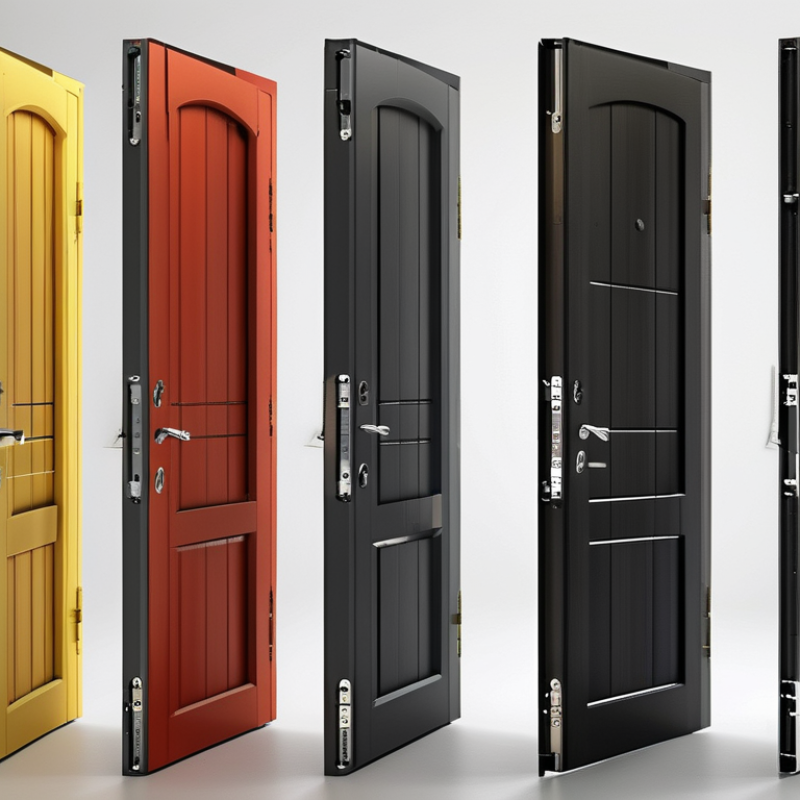
Essential Components of Doors: Understanding Key Terminology
Understanding door components is crucial for global buyers. Each part serves a unique function that contributes to the overall performance of the door. Common components include the door frame, hinges, and locking mechanisms. The door frame is essential as it supports the entire structure. It needs to be durable, often made of wood or metal.
Hinges allow the door to swing open and closed. Their quality affects the door’s usability. Consider the type of hinge when choosing a door. Some hinges are designed for specific weights or styles. Locking mechanisms are vital for security. Buyers should choose reliable locks to enhance safety.
When purchasing doors, first check specifications. Look for measurements that match your needs. Don't overlook installation options. Some doors require professional installation, while others are simple enough for DIY. Lastly, evaluate the material. Different materials impact durability and insulation. Don't hesitate to ask experts for advice when necessary. Understanding these elements will guide buyers in making informed choices.
Material Types: Metal, Wood, and Composite Door Variations
When selecting doors for various applications, material choice significantly impacts both functionality and aesthetics. Metal doors are robust and durable, often preferred for commercial spaces. According to industry reports, metal doors can offer up to 400% greater durability than wooden variants. However, they may lack the warmth and character of wood. Very cold or hot environments can also influence their performance.
Wood doors, on the other hand, provide a classic appeal. They can be customized easily and have good insulation properties. Data suggests that wooden doors account for over 40% of residential door sales worldwide. Still, they require regular maintenance to protect against moisture and pests. The inconsistencies in wood grain can lead to unique, yet imperfect, charm, but some may find these variations a point of contention.
Composite doors bridge the gap between metal and wood. They combine different materials to optimize strength and aesthetics. While they are generally more affordable than wood doors, issues can arise regarding their longevity. A study indicated that, although composite doors may resist warping, they can exhibit surface wear over time. Buyers must weigh these factors to find the best fit for their needs. These considerations highlight the need for careful selection in an increasingly diverse door market.
Hardware and Fittings: Hinges, Locks, and Handles Explained
When selecting hardware and fittings for doors, understanding their essential components is vital. Hinges are one of the primary elements. They allow doors to pivot smoothly and maintain structural integrity. Choosing the right hinge size is crucial for durability. A heavy door requires a robust hinge, while lighter doors can use simpler designs. Many buyers overlook this aspect, leading to installation issues later on.
Locks provide security. They come in various types, including deadbolts and smart locks. Understanding the features of each type can help buyers make informed choices. Deadbolts offer solidity, while smart locks provide convenience and remote access. Yet, some may find the technology overwhelming.
A balance between traditional and modern options often works best for different preferences. Handles may seem minor, but they impact usability significantly. Various styles exist, from simple knobs to elegant levers. The choice can affect the door's aesthetic and functionality. Buyers should consider comfort, especially if the door is used frequently.
Often, a mismatch between style and practical needs leads to buyer’s regret. Each element plays a role in the door's overall performance and user experience, making informed decisions essential.
Energy Efficiency Standards: Insulation and Weatherproofing Ratings
Energy efficiency in doors is crucial for homeowners and builders alike. Insulation and weatherproofing ratings play a pivotal role in this aspect. A study from the U.S. Department of Energy indicates that high-performance doors can reduce energy loss by up to 50%. This statistic highlights the importance of selecting doors with proper insulation materials.
Weatherproofing is equally significant. The American Society of Heating, Refrigerating and Air-Conditioning Engineers (ASHRAE) emphasizes that properly weatherstripped doors can reduce air leakage by 30%. This reduction minimizes heating and cooling costs while enhancing indoor comfort. Such measures not only benefit the environment but also provide financial savings over time.
Choosing doors with the right energy efficiency standards can be overwhelming. Not all insulation materials are created equal. Fiberglass, foam, and wood composites offer different levels of energy performance. Understanding these materials helps buyers make informed decisions. However, it is essential to reflect on the long-term implications of their choices, as the initial price may not always reflect the ongoing energy savings. Balancing cost with quality is imperative for sustainable building practices.
Market Trends: Consumer Preferences in Door Design and Functionality
As the global market evolves, consumer preferences in door design and functionality are shifting. Many buyers now seek doors that blend aesthetics with practicality. Materials such as wood, metal, and fiberglass each offer unique advantages. Buyers increasingly favor doors that provide energy efficiency and insulation. A well-insulated door can significantly reduce energy costs, making it a priority for many households.
In terms of design, customization is key. Consumers appreciate options that reflect their personal style. From classic styles to modern minimalist designs, there's a door for every taste. However, functionality should never be overlooked. Many buyers express a desire for features such as smart locks and enhanced security systems. This indicates a growing concern over safety and convenience in home design.
Despite these trends, there is often a gap between desire and budget. Not all consumers prioritize the same features, and this can lead to confusion. Some may choose aesthetic appeal over functionality, only to regret their decision later. Therefore, it's crucial for global buyers to weigh their choices carefully, considering both immediate desires and long-term value.
What are the Essential Parts of Doors for Global Buyers? - Market Trends: Consumer Preferences in Door Design and Functionality
| Part | Material | Functionality | Consumer Preference (%) |
| Door Frame | Wood, Metal, PVC | Structural Support | 85 |
| Door Leaf | Wood, Glass, Composite | Aesthetic Appeal & Security | 90 |
| Hinges | Steel, Bronze | Door Operation | 75 |
| Lockset | Brass, Steel | Security | 95 |
| Threshold | Aluminum, Wood | Weather Resistance | 60 |
| Weatherstripping | Rubber, Foam | Insulation | 70 |





