


Why Choose an Enforcer Video Intercom for Global Security?

Modern security begins at the entrance. A visitor presses a call button, the camera captures a clear face, and staff respond from a nearby screen or mobile device. This simple exchange can shape safety, trust, and daily efficiency.

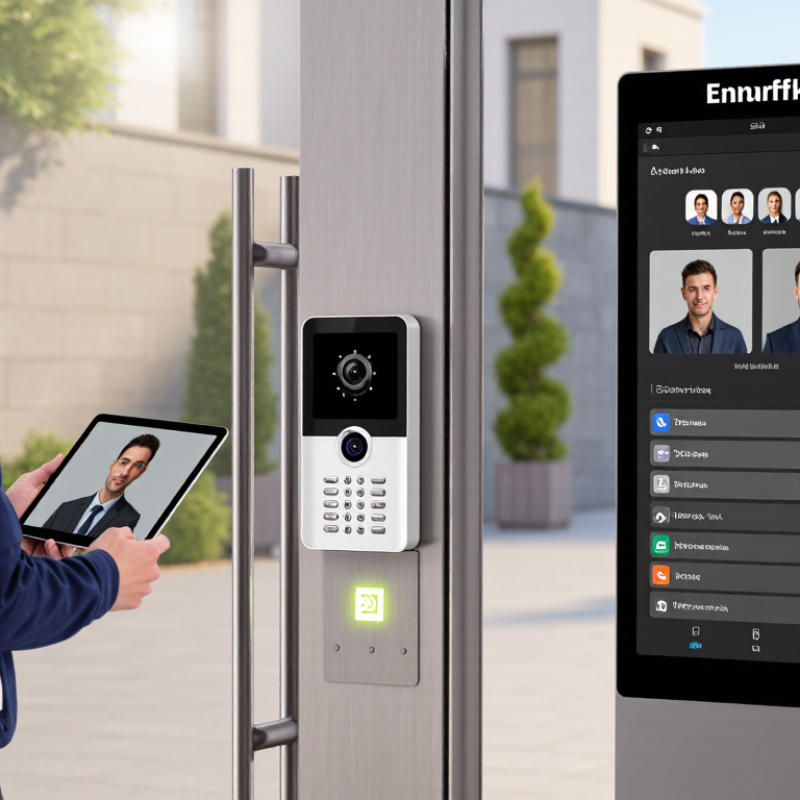
An Enforcer Video Intercom combines visual verification, two-way communication, and controlled access in one practical system. It can support offices, schools, warehouses, residential buildings, and remote facilities. Security teams can review visitor activity, confirm deliveries, and manage entry without standing beside every door. In my experience, the strongest installations begin with careful site assessment. Camera height, lighting, network stability, audio clarity, and user training matter as much as the device itself.

Details make the difference.

Bruce Schneier, a respected security technologist, once said, “Security is a process, not a product.” This principle applies directly to every Enforcer Video Intercom deployment. Technology can improve awareness, but it cannot replace thoughtful procedures or responsible human decisions. Clear visitor policies, regular maintenance, privacy-conscious configuration, and tested emergency communication remain essential.

No system is perfect.

A poorly positioned camera may create blind spots. Weak network planning can delay communication. Untrained staff may ignore useful alerts. These limitations deserve honest attention before installation. When properly designed and regularly reviewed, an Enforcer Video Intercom can provide a visible, reliable security layer across multiple locations. It helps organizations respond with greater confidence while keeping everyday access convenient, documented, and controlled.
Why Choose an Enforcer Video Intercom for Global Security?

What Is an Enforcer Video Intercom?

An enforcer video intercom is a security device that combines video observation, two-way communication, and controlled entry. It lets staff see a visitor before responding. The camera may show a face, package, vehicle, or the space behind the caller. A built-in microphone and speaker support clear conversation at the entrance.

In practical security assessments, placement matters as much as the device itself. A unit near eye level can capture clearer facial details. Soft lighting helps at night. Weather-resistant housing protects the system near gates and exposed doors. Authorized staff can review access events, while remote communication reduces unnecessary trips to the entrance. It is a useful layer, not a complete security plan.

It is not flawless.

Poor network coverage can delay video or audio. Bright sunlight may reduce image quality. Some visitors may stand outside the camera’s view. These limits deserve regular testing, especially after construction or seasonal weather changes. Clear instructions also matter, because a hurried operator may unlock the wrong entrance. A dependable installation should consider privacy, accessibility, maintenance, and local requirements before daily use.

Why Choose an Enforcer Video Intercom for Global Security?

What Is an Enforcer Video Intercom?

Security Dimension What an Enforcer Video Intercom Is Why It Matters for Global Security
Core Function A communication and access-control device that lets occupants see, speak with, and authorize visitors before granting entry. Visual verification adds an important security layer beyond audio-only communication or a mechanical doorbell.
Video Verification Typical capabilityLive camera viewing, often with wide-angle coverage, infrared assistance, and optional image recording. Security staff or residents can assess a visitor’s identity, behavior, and surroundings before opening a door or gate.
Two-Way Communication A speaker and microphone provide hands-free or handset-based conversation between the entrance station and an indoor monitor, phone, or control room. Users can ask for identification, provide instructions, or communicate with delivery personnel without direct contact.
Remote Access Control The system can operate an electric lock, magnetic lock, gate controller, or door strike after an authorized user approves access. Remote unlocking reduces the need to physically approach an entrance and supports controlled visitor management.
Identification Methods Depending on the configuration, access may be approved through video verification, PIN entry, proximity credentials, mobile control, or an integrated access-control platform. Multiple authentication methods allow security procedures to be adapted to homes, offices, apartments, campuses, and industrial sites.
Network Connectivity Modern systems may use wired Ethernet, Power over Ethernet, Wi-Fi, cellular connectivity, or local two-wire communication. Different connectivity options help deployments work across new construction, retrofit projects, remote locations, and multi-site facilities.
Power Options Common power arrangements include low-voltage DC supplies, Power over Ethernet, local power adapters, and backup batteries where required. Reliable power design helps preserve communication and entry functions during routine interruptions or emergency conditions.
Environmental Protection Outdoor entrance units are commonly specified with weather-resistant housings, vandal-resistant materials, and protection ratings such as IP65 when certified by the manufacturer. Appropriate environmental protection supports dependable operation in rain, dust, temperature changes, and high-traffic areas.
Night Operation Infrared illumination, low-light image processing, or integrated lighting can support visitor visibility after dark. Night-time identification improves safety at entrances that are poorly lit or used outside normal business hours.
Event Records Depending on the system design, calls, access events, snapshots, and video may be stored locally or on an approved network or cloud platform. Time-stamped records can assist with incident review, visitor accountability, and security investigations, subject to local privacy laws.
Integration Video intercom systems may connect with CCTV, alarm systems, elevator controls, building-management systems, SIP communications, or access-control software. Integration creates a coordinated security workflow instead of leaving video, communications, and door control in separate systems.
Emergency Communication Some installations include emergency call buttons, control-room communication, door-release monitoring, and fail-safe or fail-secure lock arrangements. These functions can support faster response and clearer communication during security incidents, medical events, or evacuations.
Scalability A system may be configured for one entrance and one indoor station or expanded to multiple doors, residences, monitors, and security stations. Scalable architecture helps organizations standardize security procedures across buildings and geographic locations.
Accessibility Visual displays, adjustable audio, tactile controls, captions, and mobile or remote answering options may be included depending on the design. Accessible communication supports more users and helps facilities align with applicable building and accessibility requirements.
Privacy and Compliance Camera placement, recording settings, retention periods, visitor notices, and access permissions should be configured according to applicable privacy and security regulations. Responsible deployment reduces privacy risks while preserving the security value of video verification and event records.
Typical Applications Common applications include residential buildings, offices, schools, healthcare facilities, warehouses, gated communities, hotels, and industrial entrances. The same core platform can support visitor screening, controlled deliveries, staff communication, and perimeter access management.
Primary Advantage It combines visitor video, two-way communication, and controlled door or gate release in one coordinated entrance solution. This combination can improve situational awareness, reduce unauthorized entry opportunities, and streamline daily access operations.
Important Limitation A video intercom does not replace complete security planning, physical barriers, alarm monitoring, cybersecurity controls, or trained personnel. Best results come from combining the intercom with appropriate lighting, locks, network protection, access policies, maintenance, and emergency procedures.

Note: Features, protection ratings, storage methods, connectivity, and operating conditions vary by system configuration. Confirm technical specifications, installation requirements, and legal obligations before deployment.


How Enforcer Video Intercoms Support Global Security

Why Choose an Enforcer Video Intercom for Global Security?

Video intercoms support global security by connecting visitors, staff, and facilities across different locations. A clear camera image helps operators verify faces, deliveries, and vehicle details before granting access. Two-way audio reduces confusion, especially when teams work across languages and time zones. Reliable systems also provide useful event records for internal reviews.

In practical installations, lighting and network stability often matter more than advertised features. A camera facing a bright entrance may produce poor images. A weak connection can delay communication. These details deserve testing. No system solves every security problem.

Tips: Test the intercom during daylight and darkness. Check voice clarity from several distances. Use strong passwords and restrict access to trained personnel. Keep firmware updated and review stored footage according to company policy. A backup communication method is sensible when internet service fails. Small oversights can become serious weaknesses. Revisiting the setup after staff feedback often reveals problems that technical checks miss.

Key Features for Access Control and Remote Monitoring

An Enforcer video intercom strengthens access control at doors, gates, and restricted work areas. When a visitor presses the call button, the camera shows their face and surroundings. Staff can speak with them before granting entry. This simple pause can prevent rushed decisions.

Clear video matters in poor lighting and changing weather. Wide-angle coverage should show faces, packages, and nearby movement. Two-way audio helps staff confirm names, appointments, or delivery details. Remote unlocking adds convenience, but permissions must remain limited. Audit logs record access times and operator actions, supporting investigations and routine reviews.

Remote monitoring is useful for sites managed across different regions. Authorized staff can receive alerts for repeated calls, forced doors, or unusual activity. Mobile access allows quick checks, even when the security desk is empty. However, remote control depends on power, network quality, and careful account management. No system is perfect. A weak connection can delay video or audio.

Reliable deployment requires testing at night, during rain, and during network interruptions. Backup power and local recording may reduce service gaps. Regular software updates also protect system integrity. Privacy settings deserve equal attention, especially where cameras cover shared spaces. In practice, teams should review false alerts and missed events each month. That feedback often reveals problems that installation testing overlooks.

How to Deploy an Enforcer Video Intercom Across Locations

Deploying an Enforcer Video Intercom across locations starts with a consistent site survey. Record entrances, cable paths, lighting, noise, and visitor traffic. A quiet office entrance needs different settings from a busy warehouse gate. Use a shared deployment checklist, but allow local adjustments.

Confirm network capacity before installation. Reserve stable IP addresses, separate intercom traffic when appropriate, and verify power availability at every doorway. Each device should have a clear viewing angle without exposing unnecessary private areas. Install weather protection where outdoor conditions demand it. Small details matter.

Test every location with real users, not only technicians. Check video clarity at noon and after dark. Test call routing, door release permissions, backup communication, and event records. Train reception staff with short, practical scenarios. Keep written maintenance procedures nearby. People forget.

Central monitoring can improve response time, but it should not replace local knowledge. A regional contact may notice recurring delivery patterns or unreliable wiring sooner. Review access roles regularly and remove outdated permissions. Store recordings according to documented retention rules. Protect them carefully.

A first rollout may reveal uneven lighting, confusing labels, or weak network coverage. That is useful evidence, not failure. Correct one site, then update the standard before expanding. Independent verification of configuration and security settings adds confidence. Deployment becomes more reliable when lessons remain visible.

Why Choose an Enforcer Video Intercom for Global Security?

A global video intercom deployment must scale across different operating environments. The chart below shows the number of countries and areas in each UN M49 geographic region, helping security teams plan phased deployment, local support, and centralized monitoring capacity.

Data source: United Nations M49 geographic classification. Counts represent countries and areas assigned to each region and are used here as a planning reference for multi-location security deployment.

Factors for Choosing the Right Enforcer Video Intercom

Why Choose an Enforcer Video Intercom for Global Security?

Factors for Choosing the Right Enforcer Video Intercom

Selecting a video intercom starts with the site, not the product brochure. Entrances face different light, weather, languages, and visitor patterns. Choose cameras with clear low-light images and wide dynamic range. Test them at dawn, noon, and during rain. Small details matter.

Network resilience deserves equal attention. The 2024 Verizon Data Breach Investigations Report found that human involvement appeared in 68% of breaches. Intercoms should support strong authentication, role-based access, encrypted connections, and audit logs. NIST guidance also supports phishing-resistant authentication for sensitive access. Cloud storage may simplify management, but retention settings require careful review. Local recording can protect continuity when connectivity fails. It also creates more maintenance work.

Integration is another practical factor. Confirm compatibility with existing access controllers, mobile devices, emergency phones, and monitoring software. Check open protocols before purchasing. A clear voice is essential in noisy lobbies. Automatic gain control helps, but it cannot fix poor microphone placement. Use backup power and test failover regularly. Environmental ratings should match the actual installation, not only the specification sheet.

Accessibility and privacy need early consideration. Provide visual signals, adjustable volume, and simple visitor instructions. Limit recording areas to necessary spaces. Local requirements may differ across countries, so obtain qualified advice. No design is perfect. I would still schedule quarterly tests, because weather, firmware, and user behavior change quietly.

Powder Coat Booths

For those larger-sized parts, or smaller quantity runs, we have 2 independent powder coat booths and ovens. The quality, durability and affordability of today’s powder coating finishes make this the process of choice for world-class companies.

Powder coating advantages over other forms of coating are many. Materials used in the Powder coating process can be metals and non-metals that come in a multitude of thicknesses, textures, colors, etc. Another of Powder coating’s biggest advantages over conventional coatings is its ability to create finishes in many different textures. Powder Coating Booths allow us the ability to apply these advantages to large products.

Wet Paint Line

Tri-State Fabricators runs a full-service conveyor line for painting. Wet painting can provide protection or decoration to many different part styles. From start to finish, every project is easier to undergo random and point-based inspection by our skilled painting team.

Advantages to our Wet Paint Line are these lines start with product prep and ends with a thorough inspection of a high quality finished product. Our ability to complete large and small projects with a superior finish and doing so in a timely and economical fashion. This passes along the savings in production to our customers. When powder coating ins not an option, our Wet Paint Line gets the job done right the first time.

Wet Paint Booths

When the parts get big and heavy we roll-out our custom paint racks and oversize booth. By utilizing our partnerships with all the major paint brands, we can match virtually any color with wet paint.

The advantages of having access to a Wet Paint Booth are many. Large projects of many different shapes can be loaded into the booth. The Wet Paint Booth offers an environment that is much more controlled than a typical parts painting operation.

Not only are they used because of their controlled environment, but they’re are also advantageous when it comes to applying paint to parts that are needed in industries that require specialty coatings such as medical, aerospace, etc.

Military CARC

Our military forces have some very high standards when it comes to the finish of their vehicles and equipment. From the first pre-treatment step to final coat, it takes a great deal of knowledge and experience to protect the men and women of our armed forces. They deserve only the best, and Tri-State Fabricators provides it.

All of our processes are closely monitored by our staff and management teams. Both of which are highly trained in the processes of metal fabrication and finishing. Tri-State Fabricators’ goal is to always fully satisfy each and every customer, including the military. We will always put a 110% into what we do.

Glass-Bead Blasting

Abrasive media blasting is an excellent way to remove old paint, rust, and increase the paint/powder adhesion. Glass beads produce a much smoother and brighter finish than angular abrasives; leaving the part clean yet without any dimensional change. Chemically inert and environmentally friendly, we can recycle our beads approximately 30 times; making them a more preferred method of metal cleaning or surface finishing.

Advantages to Glass Bead Blasting are many. Glass bead blast media is used when a project is needing rough surfaces need to become smooth for applications of coatings such as paint. It is typically used to clean paint and rust from a product surface without deforming the surface it is being used on. Overall, compared to many other blasting media, Glass Bead Blasting is a very economical choice and those savings are always passed on to our customers.

Part Washing

Tri-State Fabricators utilize a zinc phosphate wash to clean and etch the material to ensure the best paint adhesion possible. The unique design of our 3-stage wash system does the work like a 5-stage. From Cleaning and rinsing to conversion coating and post-treatment, Our Part Washing process is a complete service and works throughout the fabrication service and the finishing service.

Along with the previously mentioned benefits, Curing is a vital chemical reaction that leaves the product finish hard and relatively safe from mild abrasion and aggressive corrosion. This process can be done in more than one way; ambient air-dry or in curing ovens at temps that exceed 240°.

Burn-Off Oven

From fixing paint mistakes (someone else’s of course) to simply cleaning our paint line hooks, our burn-off oven is put to good use. After a quick burn-off, a little clean up, and a fresh coat of paint, your parts will look better than new.

Why does our Burn-Off Oven work so well? Because super heating the air around parts turns the materials into ashes. From paint and powder coatings to rubber and machining oils, high temps do the job without degrading the integrity of the part.

Masking

Masking is a vital part of producing high quality products. We have die-cut masking patterns to protect machined surfaces as well as a wide range of plugs and caps to protect threaded holes and bolts. We provide permanent and temporary masking.

Masking allows the selected sections of a product to be protected from a fabrication or finishing service. This can be with both chemicals when etching and tapes, paints when only finishing just a section of the product. Masking is great in aiding the customization process of a project.

Screen Printing

Screen printing is a photographic process that transfers artwork onto a porous nylon screen which allows colored ink to flow through the screen and be deposited on an aluminum or plastic component. We can generally have just about any design created onto a screen for your parts.

Some of the advantages of Screen Printing are, brand recognition for your business displaying on your products, assembly instructions, product warnings/hazards, etc. Tri-State Fabricators produces Screen Printing of the highest quality so you know it’s durable.

Metal Finishing

Metal Finishing is the art of treating the exterior portion of product, often metal but can also be made of other materials, so that the surface is clean and free of any debris. Then the process of applying coats or either paint of powder coat takes place. This coating process improves the quality of the product in both appearance and resistance to wear and corrosion.

Tri-State Fabricators, Inc., understands that a project typically isn’t complete until a high-quality finish has been added to your product. This is why our painting and powder coating teams continuously inspect the products throughout the Metal Finishing process.
