Top Electronic Tension Meter Buying Guide for Global Traders?
In the world of trading, precision matters. An Electronic Tension Meter plays a crucial role in ensuring accuracy during measurements. This device helps traders assess tensile strength with remarkable reliability. With various models available, choosing the right one can be overwhelming.
Consider factors like durability, range, and ease of use when making your selection. Each trade has unique requirements. What works for one may not work for another. Research is essential. Be cautious about the manufacturer’s reputation. Not all meters are created equal.
Investing time in understanding features enhances your buying decision. Features such as calibration settings and digital displays can significantly impact your measurement experience. Even the best products can come with limitations. Reflect on your specific needs and evaluate backup options. The right Electronic Tension Meter could strengthen your trading capability, but ensuring the right fit is key.
Understanding Electronic Tension Meters: Key Features and Benefits
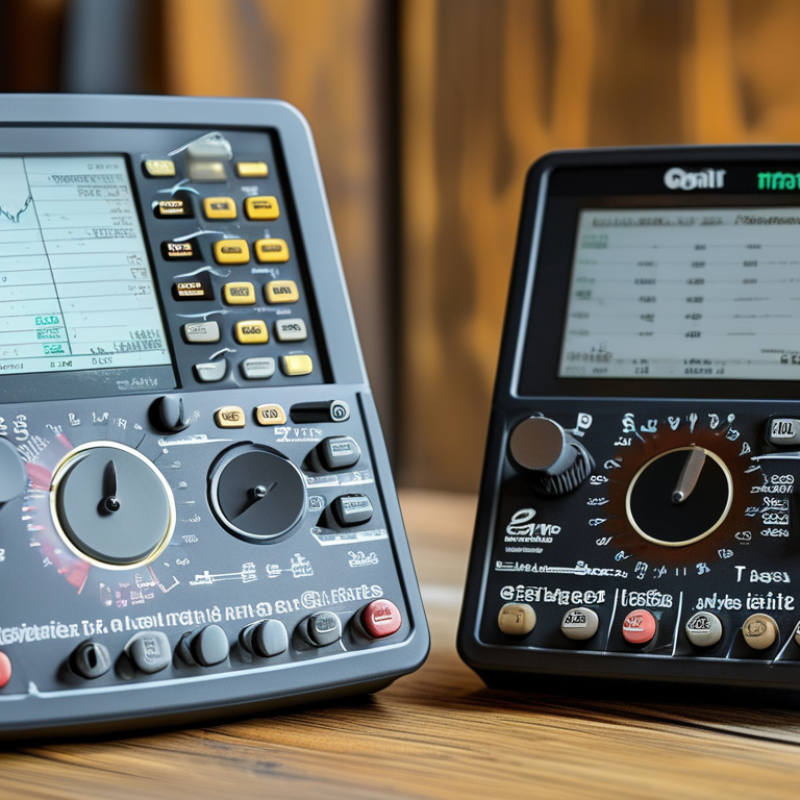
Understanding electronic tension meters is essential for anyone involved in industries that require precise measurements. These devices help measure the tension or force in strings, wires, or cables. A quality electronic tension meter provides precise readings, which is vital for safety and performance.
Key features often include digital displays and various measurement units. Some models offer data storage and connectivity options for easy data transfer. These features enhance usability but can come with complexities. Users may find themselves confused with advanced settings or features they do not fully understand. It’s crucial to weigh the benefits against the potential learning curve.
Moreover, these devices can greatly improve operational efficiency. Accurate tension measurements help prevent equipment failure. However, relying solely on technology without understanding the fundamentals may lead to errors. Users must strike a balance between using these advanced tools and honing their skills in manual measurements. This reflective approach ensures more reliable outcomes in their projects.
Types of Electronic Tension Meters: Choosing the Right One for Your Needs
When selecting an electronic tension meter, understanding the types available is crucial. Tension meters can be broadly classified into digital and analog models. Digital meters are known for their accuracy and ease of reading, making them a popular choice in manufacturing and construction. According to a recent industry report, digital tension meters provide measurement accuracy within ±1% of the reading, which enhances their reliability in critical applications.
Analog tension meters, while less common, still hold merit in specific scenarios. They are often more durable and can function without batteries, which is beneficial in remote locations. However, they may present challenges in precision. Understanding your environment and application can influence your choice. For instance, if you work in a high-humidity area, a corrosion-resistant model might be necessary, especially if the meter will frequently be in contact with moisture.
Choosing the right tension meter also requires considering its range and capacity. Some models can measure tension as low as a few grams while others can handle thousands of pounds. This vast range means that it’s essential to match the meter with your specific task. Careful evaluation ensures that you have the appropriate tools to achieve accurate results without unnecessary errors. Ultimately, the right tool can significantly impact project outcomes and efficiency across various industries.
Top Electronic Tension Meter Buying Guide for Global Traders
| Type | Measurement Range | Accuracy | Display Type | Power Source |
| Digital Tension Meter | 0-1000 N | ±1% of reading | LCD | Battery |
| Mechanical Tension Meter | 0-500 N | ±2% of full scale | Analog | None |
| Wireless Tension Meter | 0-2000 N | ±0.5% of reading | Digital with Bluetooth | Rechargeable Battery |
| Portable Tension Meter | 0-300 N | ±1.5% of reading | LCD | Battery |
| Industrial Tension Meter | 0-5000 N | ±1% of reading | Digital | Battery/AC Power |
Factors to Consider When Purchasing an Electronic Tension Meter
When considering the purchase of an electronic tension meter, it's crucial to evaluate various factors. The accuracy of the device is paramount. An accurate meter ensures that you measure tension with reliability. Look for specifications that highlight its precision in different applications. Many meters have a margin of error; understanding this will help you choose wisely.
Another important aspect is the user interface. A complicated interface can hinder your work efficiency. Opt for a device with clear displays and intuitive controls. This reduces the learning curve and enhances usability. Battery life also matters. Frequent recharging can disrupt your workflow. Choose models known for longer battery performance, ensuring you stay productive.
Material durability should not be overlooked. Some meters may break under pressure or harsh environments. Consider devices made from robust materials. Check reviews for real-world reliability feedback. It's essential to balance cost and quality. While cheaper models might save money upfront, they may lack reliability. Investing in a quality tension meter pays dividends in the long run. Always keep future needs in mind. A tool that adapts to various projects can be invaluable.
Top Brands and Models of Electronic Tension Meters for Global Traders
When selecting electronic tension meters, global traders often seek reliable and efficient models. Quality and precision are key factors. Many devices on the market promise accuracy, but not all deliver. Traders should focus on brands reputed for durability and user-friendly designs. Look for meters equipped with digital displays and data logging features. These enhancements can simplify the testing process.
Popular models often boast a range of measurement capabilities. Some offer both tension and compression measures, adding versatility. It's essential to consider calibration ease; consistent accuracy is crucial. The best meters should handle varying environments, from construction sites to laboratories. A rugged design is necessary for outdoor conditions.
Traders must also reflect on user feedback and reviews. Engaging with communities can provide insights into real-world performance. Prioritizing customer service is wise. Assistance and warranties matter. A product may shine in theory but need on-the-ground reliability. The right electronic tension meter should meet specific industry needs without unnecessary complications.
Maintenance and Calibration Tips for Electronic Tension Meters
Proper maintenance and calibration of electronic tension meters are crucial for accurate readings. Regular checks can prevent errors in measurements. One effective tip is to clean the device before and after use. Dust and debris can affect performance. Use a soft cloth to wipe the exterior.
It’s vital to calibrate your tension meter periodically. Calibration ensures that the device remains within its specified tolerances. This process can be done using calibration weights that match the meter’s range. Remember to document calibration results for future reference.
Ensuring the battery is charged is another often-overlooked aspect. Weak batteries can lead to fluctuating readings. Take time to verify battery levels regularly. Often, users neglect this simple check. Implement these tips to maintain your electronic tension meter’s reliability.
Electronic Tension Meter Calibration and Maintenance Data





