What is an electrical cabinet plane lock and how does it work?
In the world of industrial automation, security is paramount. One critical component in safeguarding electrical systems is the electrical cabinet plane lock. This lock type provides effective protection against unauthorized access. Reports show that over 20% of industrial equipment theft occurs due to inadequate locks. Thus, understanding how electrical cabinet plane locks function becomes essential for asset security.
Electrical cabinet plane locks are designed for durability and reliability. Their robust construction ensures they withstand environmental factors and routine use. According to industry surveys, the failure rate of inferior locking systems can exceed 15% annually. This highlights the need for quality solutions, such as electrical cabinet plane locks. Not only do they enhance safety, but they also promote operational efficiency by minimizing downtime due to security breaches.
Despite their advantages, some users may overlook maintenance. Regular checks are necessary to ensure locks continue to perform optimally. Neglecting this can lead to vulnerabilities. Emphasizing the importance of quality locks in electrical cabinets is vital, particularly as the landscape of threats evolves.
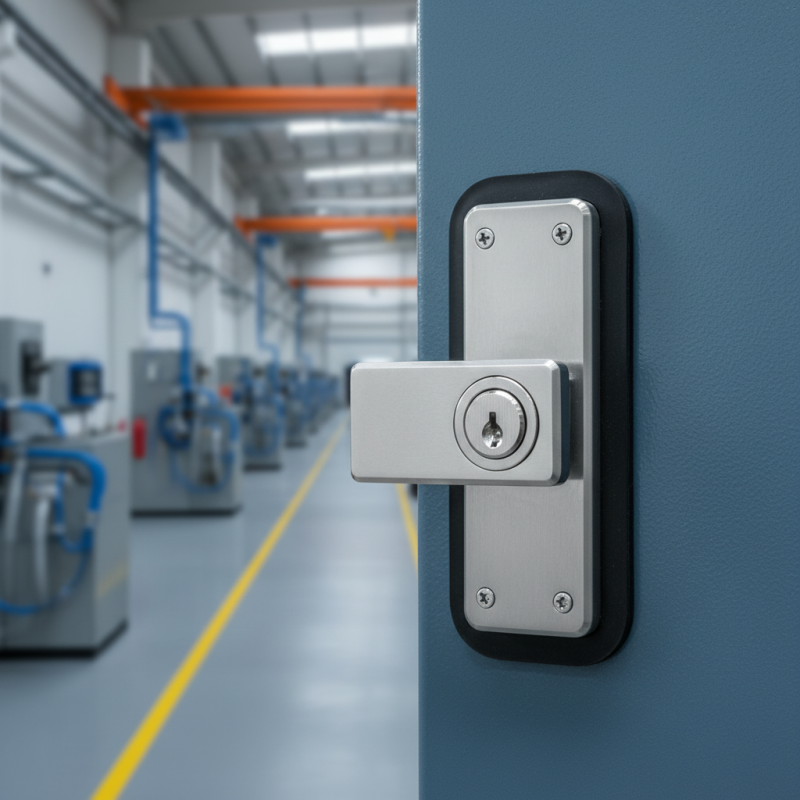
What is an Electrical Cabinet Plane Lock?
Electrical cabinet plane locks are crucial components in industrial settings. They provide secure access to electrical equipment housed within cabinets. These locks ensure safety, preventing unauthorized access and reducing risks associated with electrical hazards. According to industry reports, improper access control can lead to accidents, with about 30% of workplace injuries related to electrical incidents.
The working principle of an electrical cabinet plane lock involves a simple mechanism. Typically, these locks use a key or combination to engage a bolt that secures the cabinet door. They are designed to resist tampering and wear over time. Notably, the International Electrotechnical Commission (IEC) highlights that robust locking solutions can minimize operational downtime by up to 15%. Effective locks not only protect sensitive equipment but also enhance compliance with safety regulations.
Despite their importance, improper installation and maintenance can lead to vulnerabilities. Some facilities undervalue lock security, focusing solely on cost. This oversight can expose systems to risks. Regular inspection of locks is essential, as wear and tear diminishes their effectiveness. According to the Electrical Safety Foundation International, nearly 60% of electrical incidents could be prevented with proper lock systems in place. This statistic emphasizes the need for diligence in maintaining electrical cabinet security.
The Importance of Material Selection in Electrical Cabinet Locks
Material selection plays a crucial role in the effectiveness of electrical cabinet locks. The right materials ensure durability and . Metal alloys, for instance, are often chosen for their strength and resistance to corrosion. This can enhance the longevity of the locks, especially in challenging environments.
However, not all materials perform equally well. Some plastics may offer weight advantages but could compromise security over time. It’s essential to assess the specific needs of the application. Real-world testing can uncover unexpected weaknesses in various materials.
Ultimately, the choice of material impacts not just the functionality but also the safety of the entire system. A deeper understanding of these materials and their properties can lead to better decision-making. Consider the environment where the lock will reside, and think about potential vulnerabilities. Assessing material strengths and weaknesses is a necessary process for effective electrical cabinet locks.
How Electrical Cabinet Plane Locks Enhance Security Standards
Electrical cabinet plane locks play a critical role in enhancing security standards for sensitive electrical equipment. These locks are designed to protect access to electrical panels, which often contain vital components and wiring. By utilizing a plane lock, facilities can ensure that only authorized personnel can open these cabinets. This level of restricted access prevents tampering and reduces the risk of accidents caused by unauthorized handling.
Installing high-quality plane locks improves the overall security of electrical systems. They are often made of durable materials that withstand attempts to force them open. However, improper installation can lead to vulnerabilities. It’s essential to assess the installation regularly to guarantee that these locks remain effective. Additionally, while these locks provide solid protection, they are not foolproof. Continuous evaluation and alerts for unusual access attempts should be part of a broader security strategy.
Investing in electrical cabinet plane locks signifies a proactive approach to safety. Users should also be aware of the lock's maintenance needs. A well-maintained lock offers better security, while neglect can lead to failures. Periodic training for staff on security protocols can further enhance the effectiveness of these locks, ensuring that security is maintained at high standards.
Mechanisms of Operation: Understanding Plane Lock Functionality
Electrical cabinet plane locks play a crucial role in securing sensitive equipment. These locks are designed to ensure that only authorized personnel can access the contents of electrical cabinets. Understanding their functionality is key to appreciating their importance in industrial settings.
The mechanism of a plane lock typically involves a simple yet effective design. When engaged, the lock uses a robust latch system that fastens firmly to the door frame. This setup prevents unauthorized access, offering peace of mind. Many locks feature a key or combination mechanism, adding an extra layer of security. Interesting to note, some designs allow for quick access in emergencies. However, the reliance on mechanical systems can lead to vulnerabilities, especially if maintenance is neglected.
An effective plane lock should balance security with usability. While some locks are highly secure, they can be difficult to operate in fast-paced environments. Workers may struggle to access vital equipment swiftly. In this case, training on proper use and maintenance becomes essential. As industries evolve, lock designs should adapt to meet both security and operational needs better. Balancing these elements is a challenge worth exploring.
Industry Standards and Compliance for Electrical Cabinet Locks
Electrical cabinet locks are crucial for the safety and security of electrical systems. Industry standards dictate specific requirements for these locks to ensure compliance and protection. According to the National Electrical Manufacturers Association (NEMA), enclosure locks must withstand various environmental factors. These include moisture, dust, and temperature fluctuations. Compliance with these standards is vital for maintaining system integrity.
In terms of reliability, a study by the International Electrotechnical Commission (IEC) highlights the importance of using certified locks. They emphasize that non-compliant locks may fail under extreme conditions. Statistics show that nearly 30% of electrical faults arise from unauthorized access. This underscores the need for robust locking mechanisms to deter tampering.
It is essential to consider the installation of these locks. Experts recommend regularly reviewing locking systems to identify vulnerabilities. Some industries still use outdated locking mechanisms, which can lead to potential hazards. Proactive assessment can enhance compliance with evolving safety regulations.





