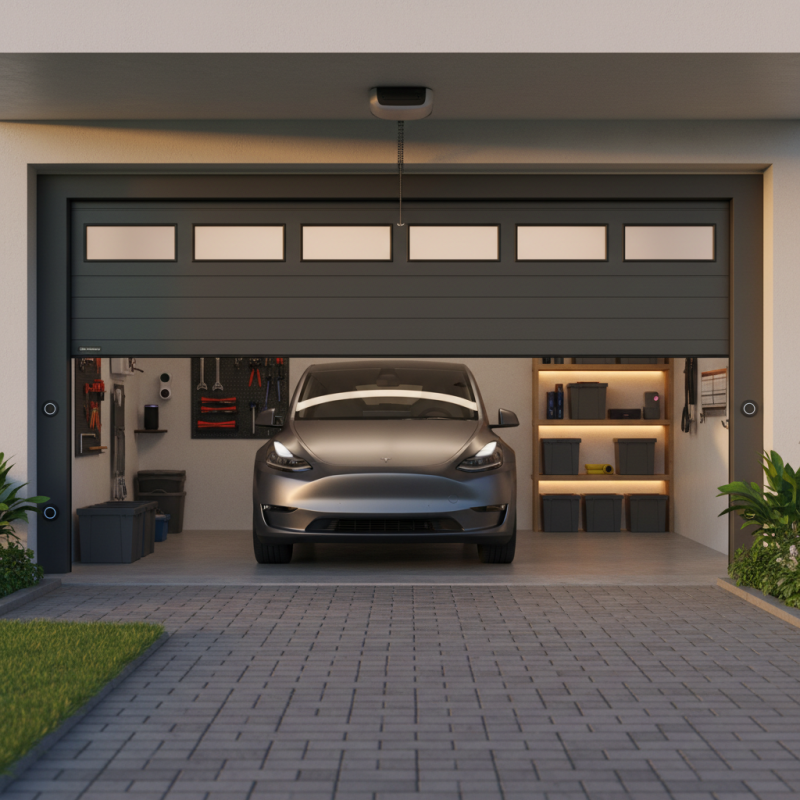
What is an Electric Garage Door and How Does It Work?
Electric Garage Doors are a staple in modern home design. They combine convenience with enhanced security. According to industry reports, over 60% of new homes feature these systems. The shift towards automation reflects a growing consumer preference for smarter home solutions.
This technology operates through a system of motors and sensors. These components work together to open and close doors seamlessly. Yet, despite their benefits, many users overlook maintenance. Neglect can lead to malfunctions and safety hazards.
Statistics indicate that 20% of accidents involving garage doors result from neglect or misuse. Regular checks are crucial. Homeowners should be proactive instead of reactive. Understanding how Electric Garage Doors function helps in making informed decisions about maintenance and safety. Ignoring this can lead to costly repairs and frustrations.
What is an Electric Garage Door: Definition and Components
An electric garage door is a modern convenience, designed to open and close automatically. These systems consist of several key components: a garage door itself, an opener, and a remote control or keypad. The opener is typically powered by an electric motor, enabling smooth, quiet operation. Sensors often enhance this functionality, ensuring safety by detecting obstacles in the path of the closing door.
The International Door Association reports that about 70% of homeowners now use electric garage doors. This trend reflects a growing demand for security and convenience. The main parts include tracks, rollers, hinges, and the motor. Understanding these elements can help in maintenance and troubleshooting.
Tips: Regularly lubricate moving parts to ensure longevity. Check the alignment of tracks and sensors for optimal performance. It can be frustrating when the door doesn’t work smoothly, prompting reflection on the importance of proper upkeep. Investing time in maintenance now can save costly repairs later.
What is an Electric Garage Door and How Does It Work?
| Component | Description | Function |
| Electric Motor | The device that powers the door's movement. | Operates the opening and closing of the garage door. |
| Remote Control | A handheld device used to operate the door from a distance. | Allows for convenient access without exiting the vehicle. |
| Safety Sensors | Devices that detect objects in the door's path. | Prevent the door from closing on objects or people. |
| Track and Rollers | Guides the door’s movement during opening and closing. | Ensures smooth and stable operation of the door. |
| Power Supply | The source of electrical energy for the motor. | Provides power necessary for the door’s operation. |
| Control Panel | The interface for manual operation and settings. | Enables users to operate the door directly and adjust settings. |
The Mechanism Behind Electric Garage Doors: How They Function
Electric garage doors are popular for their convenience and safety. They operate using a straightforward mechanism that combines electrical and mechanical components. The core is the motor. It powers the door’s movement. When activated, the motor engages a system of gears.
This system often employs a track and rollers. The door glides smoothly along this track. Sensors play a crucial role as well. They detect obstacles to prevent accidents. Sometimes, they may not work perfectly. Temperature changes or dirt can affect their performance.
The remote control is another essential part. It sends signals to the motor to open or close the door. However, issues can arise with the remote due to low batteries or interference. Manual overrides exist but can be cumbersome. Understanding these details helps users appreciate the technology better. It also highlights areas for improvement in design and function.
Key Types of Electric Garage Doors and Their Features
Electric garage doors provide convenience and security. They come in different types, each with unique features. The two main types are sectional and roller doors. Sectional doors consist of panels that slide up and overhead, saving space. Roller doors, on the other hand, roll up into a coil above the opening.
According to industry reports, sectional doors make up about 70% of the market. They often have insulation, improving energy efficiency. This feature can help reduce heating costs, important in colder climates. These doors also offer variations in design, allowing homeowners to select the style that suits their taste.
Despite their benefits, electric garage doors are not without issues. Regular maintenance is required to ensure proper functioning. Neglecting this can lead to malfunctions. Inconvenience arises when doors fail to open or close properly. User experiences show that many struggle with troubleshooting, indicating the need for better guidance and support for consumers.
Electric Garage Door Types and Their Features
Safety Features and Mechanisms in Electric Garage Door Systems
Electric garage doors offer convenience, but safety features are critical. Many systems include sensors that detect obstacles. According to a recent industry report, nearly 30% of garage door injuries stem from door malfunctions. These injuries often happen when the door closes unexpectedly. Effective sensors can prevent these accidents by stopping or reversing the door's motion.
Another important safety mechanism is the automatic reverse function. This feature activates when the door hits an object. Research indicates that systems equipped with this feature reduce injuries significantly. Additionally, many electric garage doors now come with remote controls that allow users to open or close the door from a distance. This reduces the need to approach the door while it's moving.
Despite these advancements, not all garage doors have updated safety features. Many older systems lack essential mechanisms, making them potentially dangerous. Homeowners should regularly inspect their garage doors. It's essential to ensure that safety sensors and reverse functions are working correctly. Ignoring these checks may lead to preventable accidents.
Maintenance Tips for Extending the Lifespan of Electric Garage Doors
When it comes to maintaining electric garage doors, attention to detail is essential. Regular upkeep can prevent costly repairs and extend their lifespan. Inspecting the door's tracks and rollers is crucial. Clean any debris that may hinder movement.
Lubrication is a key part of maintenance. Apply a garage door lubricant to hinges, springs, and rollers. This simple step can reduce friction and noise. Check the alignment too. An unaligned door doesn't close properly, which can lead to bigger problems.
Pay attention to the weatherstripping. If it wears out, air leaks may occur. This affects energy efficiency in your home. Replace it if you notice any cracks or gaps. Sometimes, a little reflection on your habits is beneficial. Forgetting routine checks might lead to unexpected failures. Keeping a maintenance schedule can help you stay proactive.