Best Tips for Using Artificial Turf Drag Mat Effectively?
Artificial Turf Drag Mat has become an essential tool for maintaining synthetic grass surfaces. As artificial turf popularity grows, industry reports indicate a 15% increase in sales of maintenance equipment over the last year. Proper use of a drag mat can enhance aesthetics and prolong the lifespan of turf.
Many facility managers overlook the importance of this equipment. A poorly maintained surface may lead to uneven wear and reduced safety. Studies show that regular maintenance, including drag mat use, can improve playability by 20%. It’s crucial to understand how to utilize the Artificial Turf Drag Mat effectively. Operators should consider factors like weight distribution, the type of turf, and frequency of use.
Investing time in understanding these elements can yield significant benefits. However, many still make common mistakes affecting turf quality. Addressing these issues can result in a more satisfying and safer athletic field. Proper training and resources are vital for seamless maintenance routines.
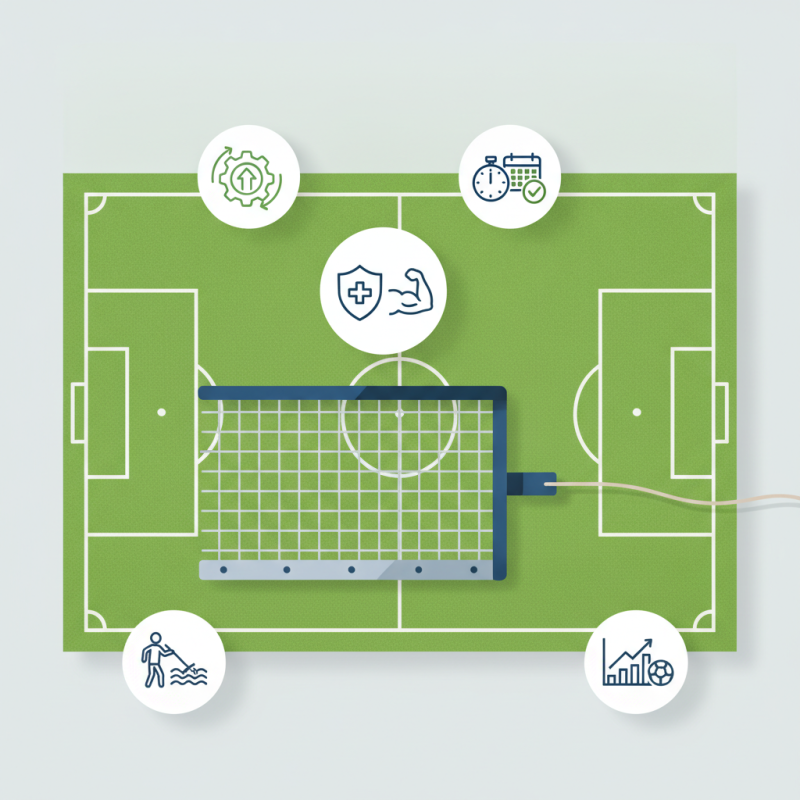
Understanding the Purpose of Artificial Turf Drag Mats
Artificial turf drag mats serve a crucial purpose in maintaining synthetic fields. They primarily help evenly distribute infill materials, like rubber or sand, across the surface. This process ensures proper performance and longevity of the turf. Properly maintained turf enhances playability, reducing wear and tear over time. A well-prepared surface can significantly improve athletes' performance, making the drag mat essential for sports facilities.
Using a drag mat requires careful technique. Operators should move slowly and steadily to avoid disturbing the infill too much. Dragging too quickly can lead to uneven surfaces. For effective results, it's important to consider weather conditions. Wet turf may clump, making it tough to achieve an even spread. Observing the turf before and after use is vital. This practice helps identify areas needing more attention and adjustments.
In practice, not every drag mat passes the test. Some mats can be heavier than anticipated, making them harder to maneuver. If the mat is not well-structured, it may not perform its function adequately. Users should check for wear and replace mats when necessary. Regular inspection can lead to better maintenance routines, benefiting the overall turf usability. Each experience with a drag mat can offer valuable insights for improvement.
Choosing the Right Type of Drag Mat for Your Turf
When it comes to choosing the right type of drag mat for your artificial turf, several factors must be considered. The weight of the drag mat plays a crucial role. A heavier mat can effectively level the surface, while a lighter one allows for easier maneuverability. This choice depends on the specific needs of your turf. If your surface is prone to excessive debris, a heavier mat may be beneficial.
Material is another important aspect. Drag mats come in various materials, each lending different benefits. For example, rubber mats provide durability, while synthetic fibers may offer superior cleaning. Choosing the right material influences the effectiveness of the mat in maintaining turf health. Evaluating your turf's usage frequency and conditions can guide your material choice.
It's also essential to consider the size of the drag mat in relation to your turf area. A mat too small may not provide adequate coverage, while an oversized mat can be cumbersome. Reflecting on your specific turf requirements can help you select the best option. Frequently reassess your choice to make adjustments as necessary, ensuring your artificial turf remains in optimal condition.
Step-by-Step Guide to Properly Use a Drag Mat on Artificial Turf
Using a drag mat on artificial turf can enhance its longevity and appearance. Start by choosing the right drag mat. Opt for one designed for turf to avoid damage. Attach the mat securely to your vehicle, ensuring it is aligned properly. This setup prevents uneven wear during the operation.
Before you begin, ensure the turf is dry. Wet conditions may lead to mud sticking to the mat, creating an unwanted mess. When dragging the mat, move at a slow and steady pace. Speeding can cause tearing and other damage to the turf. It’s essential to monitor the drag mat’s condition regularly. Adjustments may be needed if it shows signs of wear.
After use, clean both the drag mat and the turf. Remove any debris that may have collected. Regular maintenance will prevent buildup and help keep your turf looking fresh. Keep in mind that using a drag mat requires practice. Understanding the right pressure and techniques takes time. Don't hesitate to experiment with different methods for the best results.
Best Tips for Using Artificial Turf Drag Mat Effectively
| Tip Number | Tip Description | Frequency of Use | Benefits |
| 1 | Ensure proper equipment setup | Before each use | Maximizes efficiency and effectiveness |
| 2 | Use the drag mat at appropriate speeds | During maintenance sessions | Prevents damage to turf and mat |
| 3 | Adjust settings based on turf conditions | Seasonally or as needed | Enhances performance adaptations |
| 4 | Regularly check and maintain the drag mat | Monthly | Increases lifespan and functionality |
| 5 | Use a lightweight drag mat for smaller areas | As needed | Easier handling and maneuverability |
Maintenance Tips for Prolonging the Life of Your Drag Mat
Maintaining your artificial turf drag mat is essential for extending its lifespan and effectiveness. Regular cleaning is crucial. Grass blades and debris can accumulate, impacting performance. Research shows that neglecting maintenance can reduce the mat's longevity by up to 30%. A simple rinse with water can clear dirt and sand that could lead to wear. It only takes a few minutes but can make a significant difference.
Proper storage of the drag mat also enhances its durability. Storing it in a dry, shaded area prevents weather-related damage. Exposure to UV rays can degrade materials over time, leading to cracks and tears. Industry experts highlight that mats stored improperly may deteriorate three times faster than those kept in optimal conditions. Regular inspections for signs of wear are necessary. Minor tears can often be repaired swiftly, preventing more extensive damage.
These maintenance steps highlight the importance of taking action before minor issues escalate. Utilizing a tracking system for usage can help you identify patterns. This can guide your maintenance activities, ensuring your drag mat remains in peak condition. By addressing these aspects, you can ensure a longer lifespan and better performance from your drag mat.
Common Mistakes to Avoid When Using Drag Mats on Turf
When using drag mats on artificial turf, avoid several common mistakes. One major error is not adjusting the weight of the drag mat. A mat that is too heavy can cause damage to the turf fibers, while one that is too light won't achieve its intended purpose. It's important to find that balance for effective maintenance.
Another mistake is incorrect dragging technique. Some users pull the mat too fast or at an improper angle. This can lead to uneven surface distribution and cause bumps over time. Take time to practice a steady pace and maintain a low angle while dragging. Using the mat in wet conditions can also be problematic. Turf fibers can become matted down, resulting in a longer recovery process. Thus, check the moisture level before using the mat.
Regularly inspect your drag mat for wear and tear. A worn mat may not function effectively, which can lead to inconsistent results. Skipping this step is often overlooked, yet it’s crucial for maintaining turf health. Be mindful of these pitfalls, as they can hinder your turf maintenance efforts.





