


7 Tips for Dubai Full Container DDP Shipping?

Dubai Full Container Ddp shipping can look straightforward on a quote: one container, one destination, one price. The harder work sits behind that figure. Under the ICC Incoterms® 2020 DDP rule, the seller takes responsibility for delivering the goods to the named destination and arranging import clearance. The exact delivery point, local charges, and who can legally act as importer should be confirmed before booking. Small details matter.

The market makes careful planning worthwhile. UNCTAD’s Review of Maritime Transport 2024 reports that global maritime trade grew 2.4% in 2023, while warning that route disruptions and uncertainty continue to affect shipping. A full container may reduce handling compared with shared cargo, but it does not remove the risks of missed cut-offs, document errors, or unclear destination fees. Incoterms specialist Bob Ronai’s work on the rules underscores a practical point: DDP is a division of responsibilities, not merely a freight price. This is a paraphrase, not a verbatim quotation.

This guide’s seven tips focus on the checks that make a Dubai Full Container Ddp shipment more predictable: scope, customs paperwork, duty and tax assumptions, transit planning, insurance, delivery access, and written cost breakdowns. For example, confirm whether the quoted delivery point is a warehouse or only a port-side location. Ask who handles unloading. Get the answer in writing. Even experienced shippers can overlook a fee or assumption; checking the details is part of reliable planning.
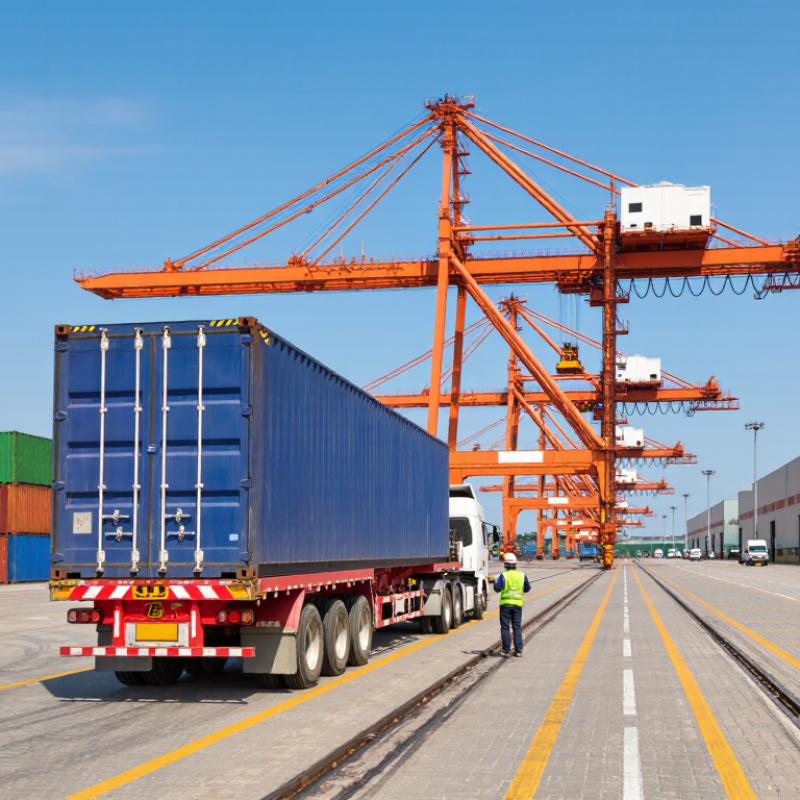
7 Tips for Dubai Full Container DDP Shipping?

Understand DDP Responsibilities for Full Container Shipping to Dubai

For full-container shipping to Dubai, DDP means the seller arranges transport and handles export and import clearance, including applicable duties and taxes. The buyer should confirm what the quoted price covers. A clear named delivery place matters: “Dubai” alone may not identify the warehouse, port area, or final address. Get the delivery point and any extra charges in writing.

Tip: Confirm who can act as importer and complete UAE import procedures before booking. The seller remains responsible for import clearance under DDP, but practical requirements can depend on the parties’ local capabilities. Share accurate invoices, packing details, and consignee information early. Small errors can delay a container. Ask how customs inspections, storage, demurrage, and port handling charges will be treated; do not assume every fee is included.

Tip: Check the final-mile plan. DDP does not automatically include unloading, so agree who provides equipment and labor at the destination. Confirm delivery hours, truck access, and whether the site can receive a full container. Keep written records of the agreed scope and estimated arrival window. Delays happen; a little planning helps. I would still recheck the destination details before the container leaves, because changing them later can be costly.


Check Import Rules, Product Permits, and Compliance Requirements

For Dubai full-container DDP shipping, confirm the importer-of-record arrangement before the container leaves. DDP assigns delivery costs and import-clearance responsibilities to the seller, but local registration and customs procedures still need to be agreed with the receiving party. Check the correct HS code, customs declaration details, commercial invoice, packing list, and certificate of origin. Small details matter. A mismatched product description can delay a whole container, not just one carton.

Check whether each product needs a permit or conformity approval. Requirements depend on the item and its use; regulated products may need approval before import, while food shipments can involve product registration and Arabic labelling checks. Ask the relevant Dubai authority or a qualified customs representative to confirm current requirements for your exact goods. Do not rely on an old shipment file. Rules and product classifications can change.

The World Bank’s 2023 Logistics Performance Index ranked the UAE seventh overall, reflecting strong logistics performance, but it does not remove shipment-specific compliance checks. Keep permits, invoices, packing details, and product specifications consistent across documents. In practice, this is where plans often wobble: a late permit or unclear importer role can leave a full container waiting at port. That costs time. Verify the clearance plan in writing before loading.

7 Tips for Dubai Full Container DDP Shipping: Import Rules, Permits & Compliance

Start with the headline UAE rates below, then confirm the exact treatment for your goods using their HS code and shipment details.

These are headline rates, not a complete landed-cost calculation. Customs duty is commonly 5% for many goods, often calculated on CIF value; the standard UAE VAT rate is 5%. Rates, taxable bases, exemptions, and product-specific rules can vary.

Seven pre-shipment checks

  1. Confirm the correct HS code and product description.
  2. Check whether the goods may be imported into the UAE.
  3. Verify whether your product needs an import permit or approval.
  4. Check applicable labeling, standards, and conformity requirements.
  5. Confirm who will act as importer of record and handle customs clearance.
  6. Prepare the commercial invoice, packing list, and transport documents.
  7. Estimate customs duty, VAT, and other applicable charges before agreeing DDP terms.

Product-specific requirements and charges depend on the goods and shipment. Verify current rules with the relevant UAE authorities or a qualified customs professional. References: UAE Government VAT information and Federal Tax Authority.

Compare Quotes, Transit Routes, and Container Service Options

A reliable Dubai full-container DDP quote should spell out what “delivered” means. Check that it covers origin collection, export handling, ocean freight, import clearance, applicable duties, and delivery to your named address. Ask whether unloading is excluded. Small differences matter. Compare at least three quotes using the same cargo details, container size, and delivery location; otherwise, a low price may simply omit costs.

Ask each forwarder for the proposed route and any transshipment stops. Direct sailings may reduce handling, while connecting services can cost less but take longer. Request an estimated departure window and door-to-door transit range, not just port-to-port days. Schedules shift. Treat estimates as planning guides, and confirm them again before booking. Check whether the quote allows for possible destination storage or delay charges.

Match the container to both volume and weight: a 20-foot unit may suit dense cargo, while a 40-foot or high-cube container offers more space. Confirm internal dimensions and payload with the provider. Share accurate packing details, cargo value, and delivery access information for a more useful comparison. Get the agreed DDP scope, rate validity, and likely extra charges in writing. I would not choose on price alone; route assumptions can be easy to miss.

7 Tips for Dubai Full Container DDP Shipping — Compare Quotes, Transit Routes, and Container Service Options
Tip What to Compare Practical Planning Data Questions to Ask Before Booking
1. Request genuinely comparable DDP quotes Check that each quote covers the same origin, cargo details, destination address, container type, and delivery scope. A door-to-door DDP quote should clearly itemize origin handling, ocean freight, destination charges, customs clearance, applicable import duties and taxes, and final delivery. Confirm exclusions and any conditions. Are customs charges and last-mile delivery included? What events could trigger extra charges, such as inspections, storage, or waiting time?
2. Compare routes and total transit time Compare the named export port, any transshipment, the UAE arrival port, and the inland destination. Jebel Ali is Dubai’s principal container port. For common East Asia–Jebel Ali services, ocean schedules are often roughly 18–30 days port-to-port; the full door-to-door timeline can be longer because of cut-off dates, customs, and delivery arrangements. Schedules vary by origin and sailing. Is the service direct or transshipped? How often does it sail, and how much time is allowed for customs and delivery?
3. Select the right container size Compare a 20-foot standard container, a 40-foot standard container, and a 40-foot high-cube container against cargo volume, weight, and dimensions. Approximate internal volumes are 33 m³ for a 20-foot standard container, 67 m³ for a 40-foot standard container, and 76 m³ for a 40-foot high-cube container. Usable capacity depends on the container, cargo shape, loading plan, and weight limits. Will the cargo fit safely by both volume and weight? Is a high-cube container necessary for tall or bulky goods?
4. Verify the DDP import and tax arrangements Confirm who is responsible for the UAE import declaration, required importer details, duty payment, and VAT handling. The UAE’s standard VAT rate is 5%. Customs duty is often 5% of the customs value for many goods, but the rate and treatment depend on the product, origin, valuation, and applicable rules; exemptions and other rates may apply. Confirm the HS code and current treatment before shipment. Who will act as importer of record where required? How will duties and VAT be calculated, paid, and documented?
5. Check cargo and documentation requirements Match the commercial invoice, packing list, bill of lading, product description, HS code, and declared values. Accurate descriptions, quantities, country of origin, and values help customs assess the shipment. Regulated, restricted, hazardous, food, or telecommunications goods may need permits, certificates, or additional checks before loading. Does the cargo require a UAE permit, conformity document, special packing, or dangerous-goods declaration?
6. Compare delivery and container-return terms Review delivery area, truck type, unloading responsibility, appointment requirements, waiting time, and empty-container return arrangements. A container may be delivered only where vehicle access and site conditions permit. Confirm free time and the process for returning the empty container; detention, demurrage, storage, and extended waiting can add costs. Is the quoted destination address within the delivery area? Who unloads the container, and what are the charges if unloading or return is delayed?
7. Balance price, reliability, and cargo protection Compare sailing frequency, schedule reliability, shipment tracking, claims support, and cargo insurance separately from freight price. Ocean transit estimates are not guaranteed delivery dates. Cargo insurance is distinct from carrier liability, so review the insured value, covered risks, deductible, and claims process before dispatch. What happens if a sailing is rolled or delayed? Is insurance included, and what documents are needed to make a claim?

Prepare Accurate Documents and Pack Cargo for Customs Inspection

For Dubai-bound full-container DDP shipments, accurate documents help prevent avoidable holds. Make the commercial invoice and packing list agree on descriptions, quantities, weights, and declared values. Name the country of origin and use a consistent HS classification. “Parts” is too vague. Check the consignee details against the shipping instructions. Under DDP, the seller arranges import clearance and pays applicable duties and taxes. Confirm the importer’s role and local broker arrangements before the container sails, since requirements can vary by goods and entry route.

The WTO’s 2015 World Trade Report estimated that fully implementing its Trade Facilitation Agreement could reduce trade costs by an average of 14.3%. That figure is not a Dubai-specific forecast, but it highlights the value of smoother border procedures. Where available, submit documents before arrival. Keep clear copies and check every total. If one document lists 1,200 cartons and another lists 1,020, correct the mismatch before dispatch.
Small error. Real delay.

Pack for a possible inspection, not just for transit. Group cartons by item, number them clearly, and make labels easy to read when doors open. Keep the packing list aligned with the loading plan, and photograph the cargo and container seal after loading. Inspection can still happen. A rushed final check is tempting; it is also where carton counts drift. A second person checking the documents against the packed cargo can catch that.

Monitor Customs Clearance, Delivery, and Any Unexpected Charges

For Dubai full-container DDP shipping, monitor the shipment beyond its arrival at port. The World Bank’s 2023 Logistics Performance Index assessed 139 economies and includes customs efficiency among its six logistics dimensions. Clearance visibility matters: a container can arrive while documents or duty calculations remain unresolved. UAE standard VAT is 5%, according to the Federal Tax Authority, but other import charges depend on the shipment.

Tip: Before loading, ask for a written breakdown covering customs duty, VAT, port handling, and final delivery.
Tip: Request the customs-entry status and release confirmation, not just a vessel-tracking link.
Tip: Agree who pays storage or demurrage if clearance or collection is delayed. Keep proof.
A vague “all-in” quote is not enough.
Tip: Confirm the delivery address, truck access, unloading arrangements, and appointment window before the container leaves port.
Tip: Ask the forwarder to notify you immediately about inspections, document holds, or schedule changes.
Tip: Match the commercial invoice and packing list against the actual cargo details.
Tip: Keep a dated record of every approved extra charge.
One weak point: teams often review the quote closely but forget to define delay costs; revisit that clause before booking.

Powder Coat Booths

For those larger-sized parts, or smaller quantity runs, we have 2 independent powder coat booths and ovens. The quality, durability and affordability of today’s powder coating finishes make this the process of choice for world-class companies.

Powder coating advantages over other forms of coating are many. Materials used in the Powder coating process can be metals and non-metals that come in a multitude of thicknesses, textures, colors, etc. Another of Powder coating’s biggest advantages over conventional coatings is its ability to create finishes in many different textures. Powder Coating Booths allow us the ability to apply these advantages to large products.

Wet Paint Line

Tri-State Fabricators runs a full-service conveyor line for painting. Wet painting can provide protection or decoration to many different part styles. From start to finish, every project is easier to undergo random and point-based inspection by our skilled painting team.

Advantages to our Wet Paint Line are these lines start with product prep and ends with a thorough inspection of a high quality finished product. Our ability to complete large and small projects with a superior finish and doing so in a timely and economical fashion. This passes along the savings in production to our customers. When powder coating ins not an option, our Wet Paint Line gets the job done right the first time.

Wet Paint Booths

When the parts get big and heavy we roll-out our custom paint racks and oversize booth. By utilizing our partnerships with all the major paint brands, we can match virtually any color with wet paint.

The advantages of having access to a Wet Paint Booth are many. Large projects of many different shapes can be loaded into the booth. The Wet Paint Booth offers an environment that is much more controlled than a typical parts painting operation.

Not only are they used because of their controlled environment, but they’re are also advantageous when it comes to applying paint to parts that are needed in industries that require specialty coatings such as medical, aerospace, etc.

Military CARC

Our military forces have some very high standards when it comes to the finish of their vehicles and equipment. From the first pre-treatment step to final coat, it takes a great deal of knowledge and experience to protect the men and women of our armed forces. They deserve only the best, and Tri-State Fabricators provides it.

All of our processes are closely monitored by our staff and management teams. Both of which are highly trained in the processes of metal fabrication and finishing. Tri-State Fabricators’ goal is to always fully satisfy each and every customer, including the military. We will always put a 110% into what we do.

Glass-Bead Blasting

Abrasive media blasting is an excellent way to remove old paint, rust, and increase the paint/powder adhesion. Glass beads produce a much smoother and brighter finish than angular abrasives; leaving the part clean yet without any dimensional change. Chemically inert and environmentally friendly, we can recycle our beads approximately 30 times; making them a more preferred method of metal cleaning or surface finishing.

Advantages to Glass Bead Blasting are many. Glass bead blast media is used when a project is needing rough surfaces need to become smooth for applications of coatings such as paint. It is typically used to clean paint and rust from a product surface without deforming the surface it is being used on. Overall, compared to many other blasting media, Glass Bead Blasting is a very economical choice and those savings are always passed on to our customers.

Part Washing

Tri-State Fabricators utilize a zinc phosphate wash to clean and etch the material to ensure the best paint adhesion possible. The unique design of our 3-stage wash system does the work like a 5-stage. From Cleaning and rinsing to conversion coating and post-treatment, Our Part Washing process is a complete service and works throughout the fabrication service and the finishing service.

Along with the previously mentioned benefits, Curing is a vital chemical reaction that leaves the product finish hard and relatively safe from mild abrasion and aggressive corrosion. This process can be done in more than one way; ambient air-dry or in curing ovens at temps that exceed 240°.

Burn-Off Oven

From fixing paint mistakes (someone else’s of course) to simply cleaning our paint line hooks, our burn-off oven is put to good use. After a quick burn-off, a little clean up, and a fresh coat of paint, your parts will look better than new.

Why does our Burn-Off Oven work so well? Because super heating the air around parts turns the materials into ashes. From paint and powder coatings to rubber and machining oils, high temps do the job without degrading the integrity of the part.

Masking

Masking is a vital part of producing high quality products. We have die-cut masking patterns to protect machined surfaces as well as a wide range of plugs and caps to protect threaded holes and bolts. We provide permanent and temporary masking.

Masking allows the selected sections of a product to be protected from a fabrication or finishing service. This can be with both chemicals when etching and tapes, paints when only finishing just a section of the product. Masking is great in aiding the customization process of a project.

Screen Printing

Screen printing is a photographic process that transfers artwork onto a porous nylon screen which allows colored ink to flow through the screen and be deposited on an aluminum or plastic component. We can generally have just about any design created onto a screen for your parts.

Some of the advantages of Screen Printing are, brand recognition for your business displaying on your products, assembly instructions, product warnings/hazards, etc. Tri-State Fabricators produces Screen Printing of the highest quality so you know it’s durable.

Metal Finishing

Metal Finishing is the art of treating the exterior portion of product, often metal but can also be made of other materials, so that the surface is clean and free of any debris. Then the process of applying coats or either paint of powder coat takes place. This coating process improves the quality of the product in both appearance and resistance to wear and corrosion.

Tri-State Fabricators, Inc., understands that a project typically isn’t complete until a high-quality finish has been added to your product. This is why our painting and powder coating teams continuously inspect the products throughout the Metal Finishing process.
