What is Downhole Perforating and How Does it Work?
Downhole Perforating is a critical technique in the oil and gas industry. It involves creating holes in a wellbore to allow oil or gas to flow into the well. This method is essential for successful extraction in various formations. Understanding Downhole Perforating helps improve production rates and maximize resource recovery.
The process utilizes specialized tools and explosives. These tools are lowered into the well to penetrate the casing. The goal is to connect the reservoir with the wellbore. Each perforating job is unique, considering the geology of the area and the specific well design. Efficiency in this process can increase profitability.
Despite its importance, challenges exist. Well conditions may vary, affecting perforation effectiveness. Engineers must continuously adapt and refine techniques to ensure successful outcomes. A thorough understanding of Downhole Perforating enhances the ability to address these issues professionally, ensuring reliable results for the industry. This highlights the need for innovation and ongoing education within this crucial field.
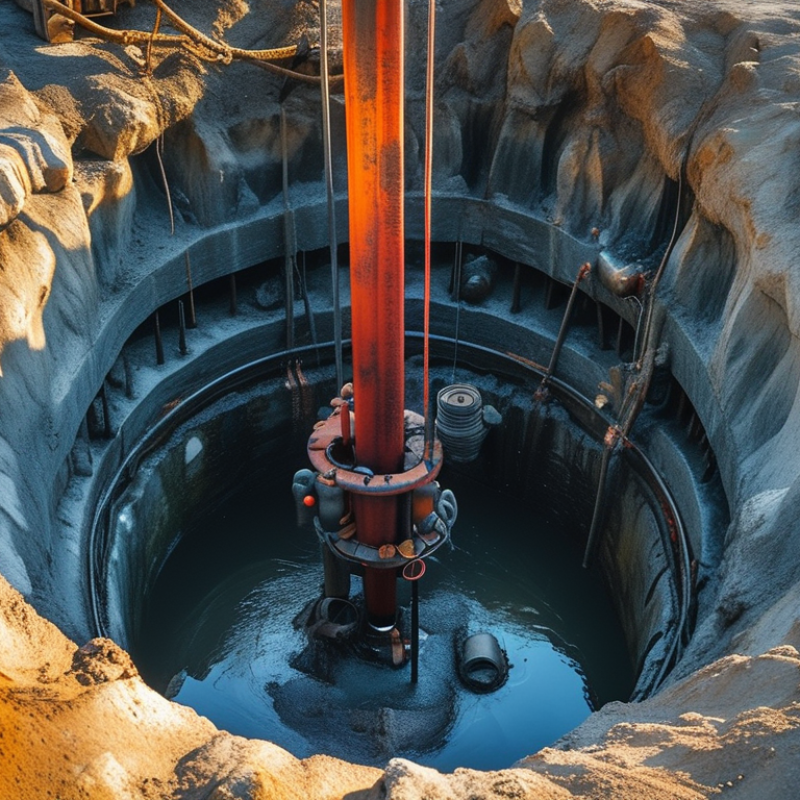
What is Downhole Perforating?
Downhole perforating is a critical process in the oil and gas industry. It involves creating holes in the well casing through which oil, gas, or water can flow into the wellbore. This technique enhances production rates and ultimately influences well performance. According to a recent industry report, effective perforating can increase production efficiency by up to 30%.
The process typically utilizes shaped charges, which are detonated to penetrate the casing and the surrounding rock formation. The design of these charges can vary based on the specific geological conditions of the reservoir. For instance, high-pressure environments may require specialized charges to ensure effectiveness. The choice of perforating strategy can significantly impact the flow rates and recovery factors. However, some operators report challenges, including hole collapse or poor fracture connectivity, which can diminish expected outcomes.
Understanding the various factors influencing downhole perforating is vital. Operators should consider aspects such as formation composition and permeability. A study highlighted that miscalculations in charge design can lead to inefficiencies. Data indicates that 15% of wells may underperform due to inadequate perforation strategies. As the industry advances, continuous learning and adaptation become essential for optimizing performance in this intricate process.
Downhole Perforating Data Analysis
This bar chart illustrates the number of downhole perforating operations conducted over a five-year period. The increase in operations indicates a growing demand for oil and gas extraction techniques that utilize perforating methods.
The Purpose of Downhole Perforating in Oil and Gas Extraction
Downhole perforating plays a crucial role in oil and gas extraction. It creates pathways through rock formations, allowing hydrocarbons to flow into the well. This process is essential for maximizing production rates and enhancing recovery efficiency. By using specialized tools, operators drill holes in the casing and into the reservoir rock. This precise action connects the borehole to the natural resources below.
The effectiveness of downhole perforating heavily relies on careful planning. Geologists and engineers must analyze the reservoir's characteristics beforehand. They consider factors like rock type and fluid properties. Miscalculations can lead to inadequate perforation, wasting resources and time. Complex formations can pose specific challenges, necessitating experienced professionals to design the perforation strategy.
While technology has advanced, challenges remain. Operators often face unexpected conditions during perforating. Variable pressure and temperature can affect the process. Continuous monitoring is essential to avoid potential issues. The goal is to create a reliable and effective pathway for easier extraction. Continuous improvement and learning from past experiences drive the industry forward.
Common Techniques Used in Downhole Perforating
Downhole perforating is a critical procedure in oil and gas production. It creates openings in the casing of a well to allow hydrocarbons to flow into the wellbore. Several techniques are employed to achieve this goal.
One common method is explosives-based perforating. This technique uses specially designed charges that detonate, creating perforations in the casing. The size and depth of the holes can be adjusted based on the charge and well conditions. Another technique involves using shaped charges. These charges focus the energy in a way that enhances penetration, ensuring that the well is adequately accessed.
Hydraulic perforating is another approach. It utilizes high-pressure fluids to create perforations, working well in specific geological formations. Each method has its pros and cons. For example, explosive perforating can be quick but may cause damage to surrounding formations. Conversely, hydraulic methods are gentler but can be slower. Understanding these techniques is essential to optimize well productivity. Selecting the right method often requires careful consideration of various factors, including the well's characteristics and geological conditions. There is often no one-size-fits-all solution in this field.
The Equipment Involved in Downhole Perforating
Downhole perforating is a crucial method in the oil and gas industry. It involves creating holes in the casing of a well to allow fluid flow. The equipment used for this process is essential for efficiency and safety.
Key tools include perforating guns, detonating cord, and charges. Perforating guns are designed to deliver explosive charges precisely. These charges penetrate the casing and create pathways. Detonating cord ignites the charges, ensuring a synchronized detonation. Proper calibration of these tools is critical to avoid well damage.
Tips: Always conduct thorough maintenance on your perforating tools. Regular checks can prevent malfunctions. Understanding the geological conditions of your well can help in choosing the right charges. Knowledge of local regulations is essential before beginning any perforating operation. Proper training is necessary to ensure safety and compliance. Always review past perforation data to enhance future operations.
Safety Considerations in Downhole Perforating Operations
Safety is paramount in downhole perforating operations. Workers should be trained in handling explosives and downhole tools. Understanding the risks involved can prevent accidents. Regular safety drills bolster knowledge. They prepare workers for emergencies.
Personal protective equipment (PPE) is essential. This includes helmets, gloves, and safety glasses. Proper PPE reduces injury risk. It is important to inspect equipment regularly. Any flaws in tools can lead to catastrophic failures. Pressure testing before deployment is crucial.
Communication among team members must be clear. Miscommunication can lead to dangerous situations. Establishing visual signals and regular check-ins helps maintain safety. Additionally, monitoring environmental conditions is vital. Unexpected changes can pose risks. Staying alert and prepared ensures a safer worksite.





