What is a Double Eccentric Butterfly Valve and Its Benefits?
In the world of industrial valves, the double eccentric butterfly valve stands out. According to John Smith, a renowned expert in valve technology, “The double eccentric design reduces wear and enhances performance.” This statement captures the essence of why these valves are becoming popular in various sectors.
The double eccentric butterfly valve features a unique design. Its two offsets allow for improved sealing and reduced torque. This means operators can achieve better control over flow with less effort. The materials used in construction further enhance durability and longevity. Industries often seek this valve type for high-performance applications.
Yet, it’s essential to acknowledge some challenges. Installation can be tricky in tight spaces. Regular maintenance is necessary to maximize efficiency. Users must balance the advantages with the potential downsides. Understanding these factors can guide better decision-making for those considering double eccentric butterfly valves.
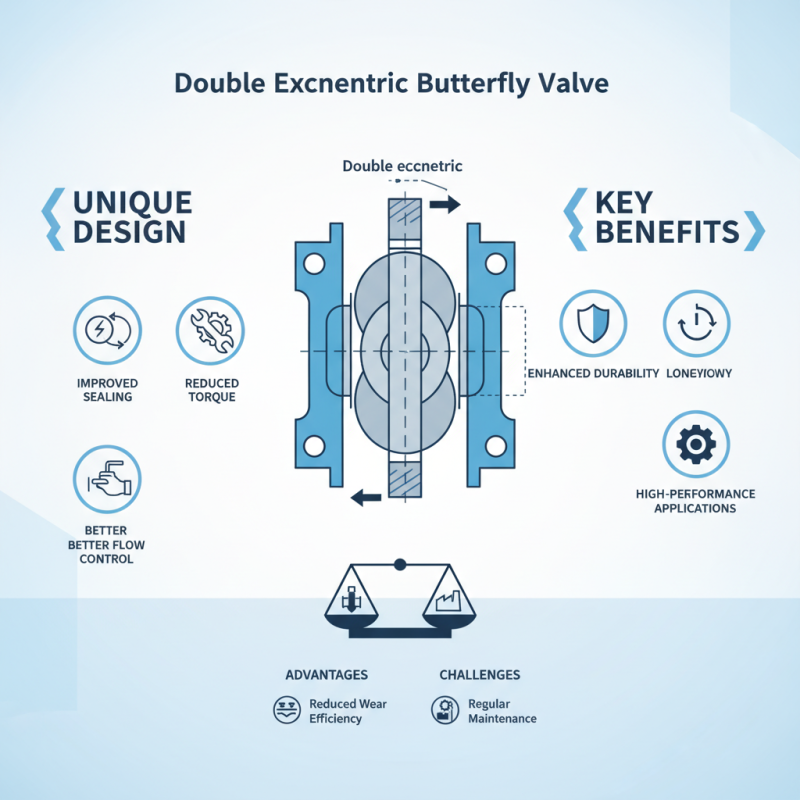
What is a Double Eccentric Butterfly Valve?
A double eccentric butterfly valve is a specialized type of valve. It features an innovative design that minimizes flow resistance. This valve operates by rotating a disc in the flow path, providing quick shut-off capabilities. The term "double eccentric" refers to the positioning of the shaft. This design reduces wear on the seating surface, increasing durability.
Many industries utilize double eccentric butterfly valves. They are ideal for handling fluids at various pressures. This valve type is commonly found in water treatment facilities and chemical processing plants. The construction typically involves materials like metal or rubber for the disc and seat. This ensures effective sealing, preventing leaks and maximizing efficiency.
While double eccentric butterfly valves offer numerous advantages, they come with challenges. Installation can be tricky, requiring precise alignment. Users must regularly inspect these valves to avoid malfunction. Proper maintenance is crucial, as neglect can lead to costly repairs. Understanding these factors is essential for optimal performance in any system.
Key Components of a Double Eccentric Butterfly Valve
A double eccentric butterfly valve features a unique design that enhances its performance and durability. This valve type primarily consists of three main components: the valve body, the disc, and the shaft. The body is generally constructed from robust materials like stainless steel or cast iron. These materials ensure corrosion resistance and long-term functionality.
The double eccentric design means the disc is centered behind the valve's body. This eliminates excess friction when opening or closing. As a result, this design minimizes wear on the sealing surfaces. According to industry studies, valves that utilize this design can increase the lifespan by up to 50% compared to traditional options.
Another critical component is the shaft, which is often made from high-strength alloys. This enhances torque resistance and supports the valve in high-pressure applications. However, not all designs perfectly address challenges in those situations. Some users face issues with installation or alignment, impacting performance. Training and awareness can help tackle these challenges effectively.
Benefits of a Double Eccentric Butterfly Valve
This bar chart illustrates the benefits of using a double eccentric butterfly valve, rated on a scale from 0 to 10. Key benefits include reduced torque, improved sealing capabilities, longer lifespan, cost-effectiveness, and a lightweight design, showcasing why this valve is a preferred choice in various applications.
Advantages of Double Eccentric Design Over Conventional Models
The double eccentric butterfly valve features a unique design that sets it apart from conventional models. In a double eccentric valve, the disc axis is located behind the valve body. This design minimizes friction when the valve opens or closes. Consequently, it extends the valve's lifespan and reduces wear.
One major advantage of the double eccentric design is improved sealing performance. When the valve closes, the disc moves away from the seat rather than pressing against it. This results in a more effective seal, preventing leaks. Additionally, the valve operates smoothly at various pressures. This flexibility is crucial in many applications, from industrial to residential uses.
Another benefit is the reduced torque required for operation. With less friction, operators can open and close the valve with ease. This can lead to energy savings and lower operational costs. Although the design may have a higher initial cost, long-term benefits often outweigh this. However, it's essential to consider that not all systems may benefit from this valve type. Proper assessment of application needs is crucial for optimal performance.
Industry Applications of Double Eccentric Butterfly Valves
Double eccentric butterfly valves are versatile components used across many industries. Their unique design provides improved sealing and reduced wear, making them ideal for demanding applications. One notable industry is wastewater treatment. According to a 2023 report by Global Market Insights, this sector heavily employs these valves for efficient flow control. The need for reliable operations in harsh conditions makes double eccentric valves a preferred choice.
In the chemical industry, double eccentric butterfly valves also see significant use. They handle corrosive substances with ease, ensuring safety and longevity. A recent analysis by TechSci Research indicates that these valves have a market share exceeding 35% in chemical processing. This statistic highlights the growing reliance on durable solutions in complex environments. However, challenges remain, such as the need for continuous maintenance to prevent leaks or operational failures.
These valves are also found in HVAC systems. Their lightweight nature simplifies installation and integration into existing infrastructures. A key advantage is their ability to modulate flow smoothly, which enhances energy efficiency. Yet, there can be issues with pressure drop during operation. This concern underscores the importance of selecting the right valves for specific applications.
Performance Metrics and Reliability Statistics in Valve Engineering
Double eccentric butterfly valves (DEBV) are renowned in valve engineering for their unique design. They feature two offsets which optimize flow characteristics. This design reduces turbulence, leading to enhanced efficiency. According to industry reports, DEBVs can achieve flow coefficients (Cv) that are up to 20% higher than their concentric counterparts. This makes them a preferred choice for many applications.
Reliability is a critical factor in valve performance. Recent statistics indicate that DEBVs have a lower failure rate, often cited at around 0.2% in high-demand environments. Their durable construction allows for extended service life in harsh conditions. However, not all installations meet this ideal. Misalignment during installation can lead to premature wear. Moreover, regular maintenance is essential to sustain performance levels. The failure to adhere to maintenance schedules can negate the benefits of using DEBVs.
Pressure ratings play a significant role in applications. Many DEBVs are rated for pressures up to 300 psi, showcasing their versatility. However, exceeding these ratings can lead to catastrophic failures. Operators must be vigilant about pressure management. In some cases, users have reported issues stemming from inadequate training on valve operations. Ensuring all personnel are well-trained is crucial for maximizing the valve's potential.
What is a Double Eccentric Butterfly Valve and Its Benefits? - Performance Metrics and Reliability Statistics in Valve Engineering
| Metric | Value |
| Torque Requirement (Nm) | 20 - 150 |
| Pressure Rating (psi) | 150 - 600 |
| Temperature Range (°C) | -20 to 200 |
| Flow Coefficient (Cv) | 30 - 1000 |
| Lifespan (Cycles) | 500,000 - 1,000,000 |
| Leakage Rate (sccm) | <1 |
| Installation Space (mm) | 200 - 400 |
| Material Options | Stainless Steel, Cast Iron, PVC |





