What is a Double Acting Cylinder and Its Benefits?
Understanding a Double Acting Cylinder is vital in many industrial applications. These cylinders play a crucial role in converting fluid energy into mechanical work. Unlike single acting cylinders, they can exert force in both directions. This capacity leads to increased efficiency in operations.
Double Acting Cylinders are designed to move loads in forward and backward strokes. This functionality allows for a smoother and more controlled motion. Many industries, from manufacturing to automotive, rely on this technology. The design enhances productivity, yet it can be complex. Proper installation and maintenance are critical to achieving optimal performance.
Though they offer distinct advantages, some challenges exist. Troubleshooting a Double Acting Cylinder can be tricky. Users must have a clear understanding of the system's mechanics. Despite potential difficulties, the benefits often outweigh the drawbacks. With the right knowledge, operators can harness the full potential of these cylinders.
What is a Double Acting Cylinder?
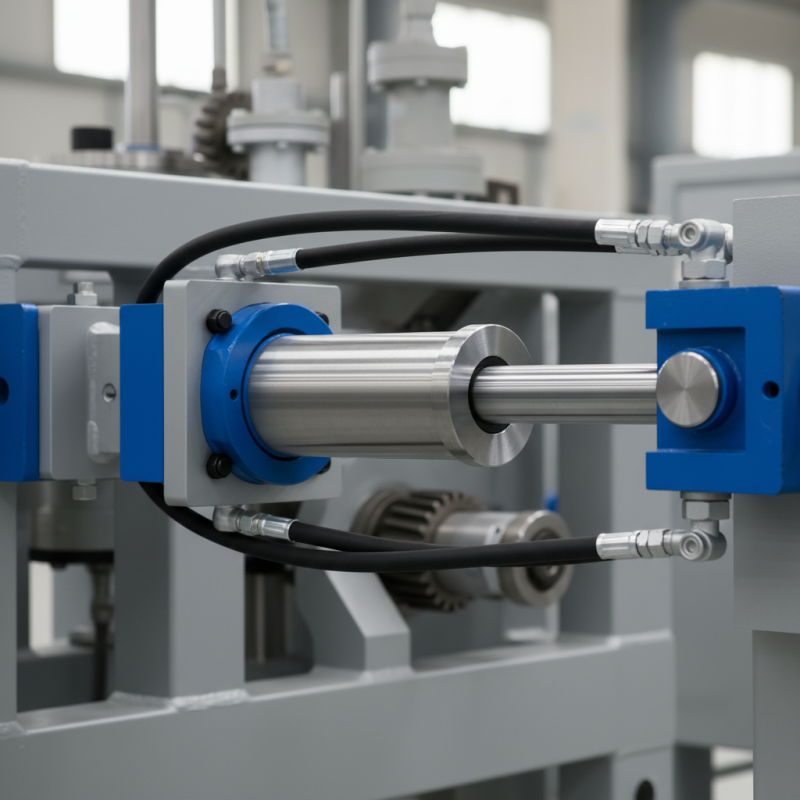
A double acting cylinder is a type of hydraulic or pneumatic device. It can push and pull in both directions. This design enhances efficiency in various applications. Unlike a single acting cylinder, it uses pressure on both sides. As a result, it performs work on both the forward and return strokes.
These cylinders are commonly used in manufacturing. They move heavy materials quickly and accurately. This reduces the need for manual labor. A double acting cylinder operates smoothly, which minimizes wear on components. However, improper installation can cause leaks. Regular maintenance is essential for optimal performance.
In a world where precision matters, double acting cylinders are invaluable. They are widely used in robotics and assembly lines. The dual action increases productivity. Still, some users may find them complex to operate. Understanding their mechanics can take time. This reflects the ongoing need for training and knowledge sharing in the industry.
How Does a Double Acting Cylinder Operate?
A double acting cylinder is an essential component in hydraulic and pneumatic systems. It operates by applying pressure to both sides of the piston. This design enables movement in both extending and retracting cycles. When fluid enters one side of the cylinder, it pushes the piston forward. Conversely, the fluid pressure on the opposite side pulls the piston back. According to industry reports, double acting cylinders account for over 60% of all hydraulic cylinder applications due to their versatility and efficiency.
The advantages of double acting cylinders are significant. They offer greater control over movement and operate more efficiently than single acting cylinders. This efficiency translates to higher productivity in manufacturing processes. The ability to exert force in both directions allows for complex operations. However, improper design or maintenance can lead to issues such as leaks or decreased performance, requiring regular monitoring.
Tip: Regularly inspect sealing systems for wear. Damaged seals can reduce efficiency and create safety hazards.
Moreover, selection of the right materials is crucial. Excessive wear can occur if the wrong materials are used. This can lead to higher operational costs. Always consult industry standards when selecting components to ensure optimum performance.
Tip: Invest in training for operators. Well-trained staff can identify problems early, improving overall safety and reliability.
Key Components of a Double Acting Cylinder
A double-acting cylinder is a pivotal component in pneumatic and hydraulic systems. It operates using pressure to move the piston in both directions, providing efficient force in various applications. The fundamental components of this system include the cylinder barrel, piston, and end caps. The cylinder barrel houses the piston and contains the fluid, either gas or liquid. Precise engineering ensures minimal leakage, maximizing efficiency.
The piston is often made from durable materials like aluminum or steel. It must withstand high pressure while maintaining smooth motion. The end caps seal the cylinder, preventing fluid escape. Reports indicate that properly maintained double-acting cylinders can sustain a lifespan exceeding 10,000 cycles. This resilience is essential for industrial applications, where downtime can lead to significant losses.
Seals and rods also play crucial roles. High-quality seals reduce wear and tear while preventing contamination. Rods are designed for high strength. An estimated 15% of hydraulic failures stem from rod issues. Ensuring these components are of high quality is vital. Regular maintenance checks can identify potential failures before they escalate, reflecting the importance of proactive measures in fluid power systems.
Advantages of Using Double Acting Cylinders
Double acting cylinders are pivotal in many industries. These cylinders use pressurized fluid to drive the piston in both directions. This feature makes them highly efficient for a variety of applications, from manufacturing to construction. Unlike single acting cylinders, which only move in one direction, double acting cylinders can retract and extend, resulting in smoother operation.
One of the key benefits of double acting cylinders is their ability to produce greater force. This added strength is essential for heavy lifting tasks. Workers can rely on them to handle substantial loads safely. Moreover, double acting cylinders offer improved speed control. The precise movement helps in achieving desired results quickly, which is crucial in time-sensitive operations.
Maintenance is another area where double acting cylinders shine. They often require less upkeep than their single acting counterparts. However, the complexity of their design can sometimes lead to challenges. Understanding how to troubleshoot these systems is critical. Regular training on maintenance techniques ensures that potential issues are addressed on time, resulting in more reliable performance overall.
Advantages of Using Double Acting Cylinders
Common Applications for Double Acting Cylinders
Double acting cylinders are crucial in various industries due to their unique functionality. They excel in applications requiring precise control of linear motion. In manufacturing, these cylinders enable automated processes like assembly and packaging. According to industry reports, over 70% of automated systems utilize double acting cylinders to enhance efficiency.
In construction, double acting cylinders are used in heavy machinery. They power hydraulic lifts and excavators, providing significant force and control. The data from the International Hydraulic Society indicates that these cylinders contribute to a 30% increase in operational efficiency in construction tasks. Operators benefit from their ability to manage heavy loads with ease and precision.
In robotics, double acting cylinders play a vital role. Their flexibility allows for rapid movement in robotic arms. Research shows that 65% of robotic systems rely on these cylinders to achieve accurate positioning. Despite their advantages, some engineers point out potential maintenance challenges. Regular inspection is necessary to ensure optimal performance and longevity. Awareness of these aspects can lead to better designs and functioning systems in the long run.
What is a Double Acting Cylinder and Its Benefits? - Common Applications for Double Acting Cylinders
| Feature | Description |
| Operation | Uses hydraulic or pneumatic pressure to move in both directions |
| Benefits | Provides power in both extension and retraction phases, resulting in higher efficiency |
| Common Applications | Used in manufacturing, construction, and robotics for lifting and pushing tasks |
| Durability | Designed to withstand high pressures and provide reliable operation over time |
| Types | Includes standard cylinders, mini cylinders, and compact cylinders for various applications |





