Digital Cutting Machine Tips for Best Results and Efficiency?
In the modern landscape of design and manufacturing, the Digital Cutting Machine has revolutionized how we approach precision and efficiency. These machines are vital tools for many industries, including fashion, craft, and engineering. Their capabilities enable users to produce intricate designs with remarkable accuracy. However, achieving the best results requires a deep understanding of their operation and maintenance.
Improper use of a Digital Cutting Machine can lead to frustrating errors. Many users often overlook essential settings or fail to calibrate the machine correctly. Understanding material compatibility is crucial. Not every material cuts the same way, and experimentation is sometimes needed to find the perfect balance. Regular maintenance and clean-up routines can enhance performance but are often neglected.
Building expertise with a Digital Cutting Machine is not just about following instructions. It’s about learning from mistakes and refining your technique over time. There are always areas for improvement. Each cut tells a story, with potential outcomes ranging from perfect execution to unexpected challenges. Embracing these experiences can significantly elevate results and efficiency.
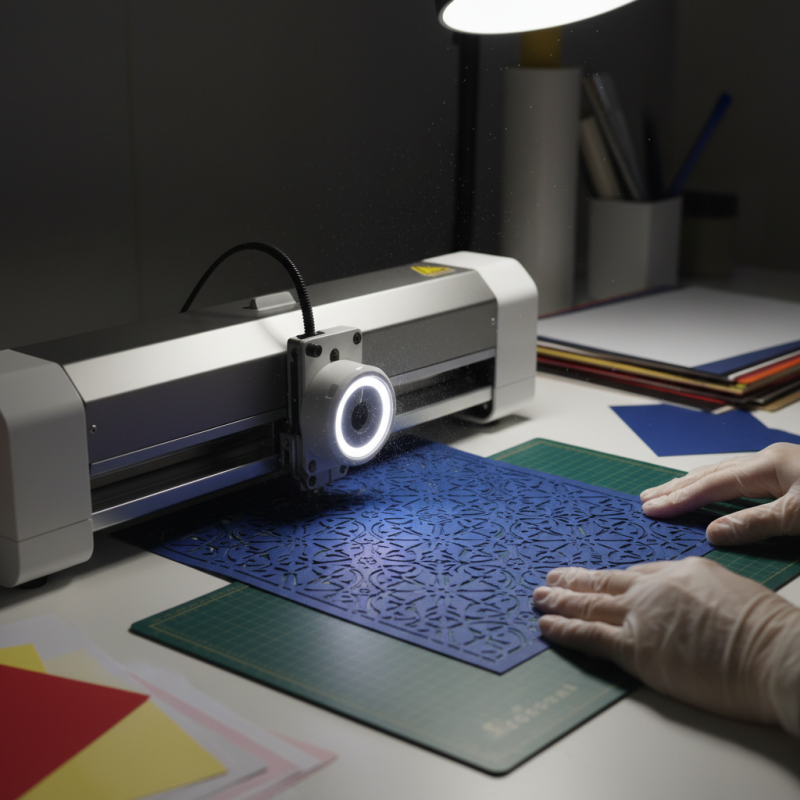
Understanding the Basics of Digital Cutting Machines
Digital cutting machines are revolutionizing the way industries approach fabrication, from signage to apparel. Understanding the basics of these devices is essential for maximizing efficiency. According to a report by Smithers Pira, the digital cutting market is expected to grow by 12% annually. This data highlights the increasing reliance on digital cutting technologies in various sectors.
When working with digital cutting machines, pay attention to the material. Each type requires specific settings for the best outcome. For instance, thick materials may need slower cutting speeds to avoid fraying. Proper calibration is key. Regularly checking the blades can prevent costly errors.
Here are some effective tips for optimal results: Always perform a test cut before starting large jobs. This small step can save materials and time. Additionally, keeping the work area organized helps streamline the process. Machine maintenance should not be overlooked. Even minor issues can lead to significant delays in production.
Key Features to Look for in a Digital Cutting Machine
When choosing a digital cutting machine, several key features significantly impact efficiency and output quality. Precision is paramount. Machines with a cutting accuracy of less than 0.1 mm help ensure clean lines and detailed designs. According to industry reports, even minor inaccuracies can lead to a 5% wastage in materials, highlighting the importance of precision.
Speed is another essential feature. Modern machines can operate at speeds exceeding 1,000 mm/s. This capability can dramatically reduce production times. However, speed should not compromise the quality of cuts. A balance between speed and precision ensures optimal results. Users often find that trade-offs must be made, particularly when working with complex materials.
User-friendly software integration also plays a crucial role. Advanced machines often come with intuitive design software. This can streamline the workflow and make adjustments easier. Still, operators sometimes struggle with software complexity. Ongoing training can help address these challenges. In fact, a survey indicated that 40% of users feel inadequately trained for new software. Thus, investing in both technology and training is vital for maximizing efficiency.
Digital Cutting Machine Efficiency Analysis
Best Practices for Preparing Materials for Digital Cutting
Preparing materials for digital cutting requires attention to detail. Begin with a clean workspace to reduce the risk of contamination on your materials. Ensure that surfaces are free from dust and debris. This simple step can drastically improve cut quality.
Check your materials for moisture. Even slight dampness can warp surfaces. When materials are dry, they will hold better during the cutting process.
Adjusting the thickness of your materials is crucial. Use a reliable caliper to measure accurately. Each cutting machine has specifications for material thickness. If the material exceeds these limits, it may lead to uneven cuts. Consider practicing cuts on scrap material to test settings. This helps identify potential issues before using your final products.
Use the right tools for preparation. Sharp knives or cutting blades can make a significant difference. Dull instruments cut poorly, leading to fraying or tearing. Additionally, aligning the material properly on the cutting mat is essential. Even slight misalignments can cause wasted materials. Always double-check before starting a cut.
Tips for Optimizing Cutting Designs for Efficiency
Optimizing cutting designs is crucial for maximizing efficiency with digital cutting machines. According to a recent industry report, well-planned cutting designs can improve material utilization by up to 30%. A major factor in this is the layout of patterns. An efficient arrangement minimizes waste and reduces cutting time, allowing for faster production cycles. Implementing software tools that visualize and simulate cutting patterns can significantly enhance this process.
Another important aspect is the choice of cutting speeds and blade types. Using the right settings can lead to better cutting precision and reduce errors. Studies show that adjusting speeds based on material type can improve efficiency by 20%. However, it’s not uncommon for users to overlook these settings, leading to suboptimal results. A common reflection among operators is the need for ongoing training in digital cutting technology. This can help teams understand the nuances of their equipment and improve overall performance.
Moreover, regular maintenance of machines cannot be overlooked. A well-maintained machine operates more smoothly, enhancing cutting accuracy. A report indicated that machine wear can lead to a 15% decrease in efficiency over time. Monitoring machine conditions and scheduling timely maintenance can prevent these declines. Attention to detail in these areas is vital for achieving the best results in digital cutting.
Maintaining Your Digital Cutting Machine for Longevity and Performance
Maintaining your digital cutting machine is crucial for ensuring longevity and performance. Regular cleaning is essential. Dust and debris can accumulate and affect precision. Use a soft cloth to wipe down the surfaces. Ensure that the blades are sharp and free from residue. Dull blades can lead to inaccurate cuts and increased wear on the machine.
Another important aspect is calibration. Machines can drift over time. Regularly check the alignment and calibration to maintain cutting accuracy. This process can be time-consuming but is vital for optimal results. Also, ensure software is up to date. Outdated software may cause compatibility issues and hinder performance.
It’s easy to overlook wear and tear over time. Inspect belts and mechanical parts for signs of fatigue. Replace any components that seem off. Ignoring small problems can lead to bigger, costlier issues. Keeping a maintenance log can help track performance trends. Documenting these details gives you insights into your machine’s condition. This can improve planning for future maintenance tasks.





