Why Choose Deep Hole Honing for Precision Parts?
Deep Hole Honing can improve the internal finish and geometry of long bores where ordinary machining leaves visible tool marks. In hydraulic cylinders, fuel-system components, and precision sleeves, a honing stone moves through the bore while rotating and expanding against its walls. The result is a controlled surface pattern, not simply a polished appearance. Fit, lubrication, and component life can depend on that detail.
The choice still depends on the part. Bore length, material, stock allowance, and required tolerances all matter. A process that works well on a steel cylinder may not suit a thin-walled component. Real production trials are essential.
Industry reports provide useful context, but not every report measures honing separately. Grand View Research’s machine-tool market analysis and Deloitte’s manufacturing outlook discuss wider investment and production trends; they should not be treated as proof of a specific honing result. No verified, attributable quotation from a named Deep Hole Honing specialist was supplied for this introduction. Inventing one would weaken its credibility. Likewise, a market-size figure cannot tell engineers whether a particular bore will meet specification.
The practical question is measurable: can the process hold the required diameter, straightness, and surface finish across the full bore? Inspect the part. Check the data. Then choose the process.
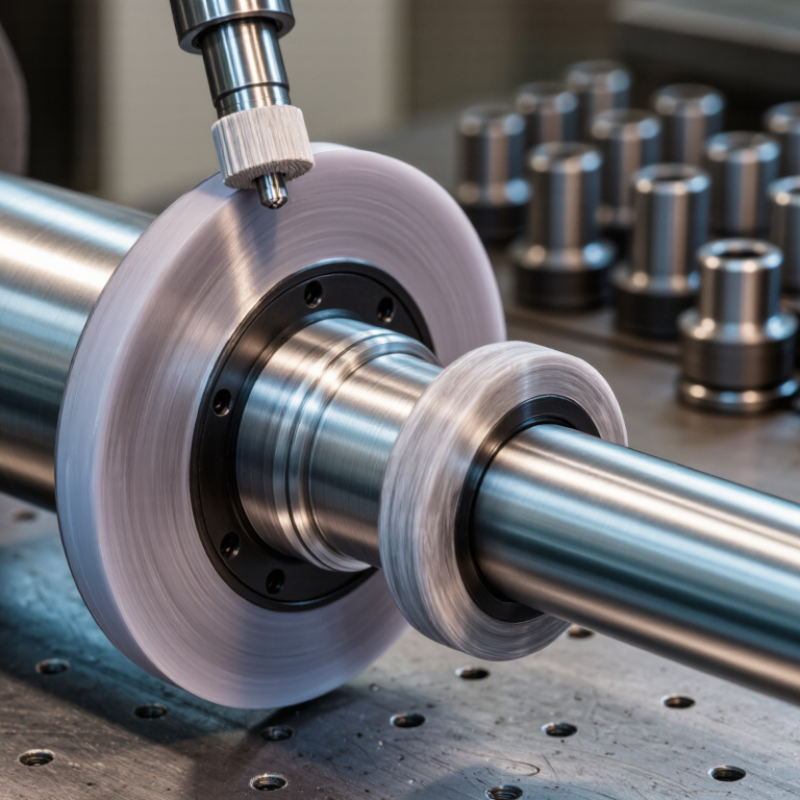
What Deep Hole Honing Is and How It Works
Why Choose Deep Hole Honing for Precision Parts?
What Deep Hole Honing Is and How It Works
Deep hole honing is a finishing process for long, narrow bores where straightness, size, and surface texture matter. A honing head carries abrasive stones that expand against the bore wall. As the tool rotates and moves back and forth, it removes small amounts of material. The overlapping motions leave a fine crosshatch pattern. Honing is often used after drilling or boring, when the hole needs more accurate geometry.
The process can correct minor taper and improve roundness, but results depend on the material, bore length, and setup. ISO 286-1:2010 lists an IT7 tolerance of 25 μm for basic sizes over 30 mm through 50 mm. This gives a useful scale for specifying bore size, not a guaranteed honing result. ISO 21920-2:2021 provides standardized profile parameters for describing surface texture, including Ra. A drawing should state the required size and finish clearly. It is easy to over-specify Ra while overlooking straightness.
Tips: Check the bore at several depths, not just at the opening. Use consistent measurement conditions, and confirm the crosshatch and finish on a sample part before production.
How Honing Improves Bore Accuracy and Surface Finish
Deep hole honing improves bore accuracy by refining a hole after drilling or boring. A honing head carries abrasive stones that expand against the bore wall. As the tool rotates and moves along the hole, it removes small, controlled amounts of material. This can correct minor taper, ovality, and surface irregularities. The result is a more consistent diameter along the bore. Small differences matter.
The process also creates a crosshatched surface pattern. This texture can help retain lubricant in components such as hydraulic cylinders and precision sleeves. A smoother finish is not always better; the required roughness depends on the part, material, and operating conditions. Honing cannot fix every problem, either. Severe misalignment or insufficient stock may need attention before honing begins. Measurement before and after machining helps confirm that the bore meets its drawing requirements.
Tips: Specify bore size, straightness, and surface-finish targets clearly. Check the full bore, not just its opening. Discuss material hardness and available honing allowance with the machinist. Small setup changes can affect results, so verify critical dimensions on the actual part.
Which Precision Parts Benefit from Deep Hole Honing
Why Choose Deep Hole Honing for Precision Parts?
Which Precision Parts Benefit from Deep Hole Honing
Long, narrow bores often need more than accurate drilling. Deep-hole honing can improve bore roundness, straightness, and surface finish while helping maintain a consistent diameter along the full length. These qualities matter in hydraulic cylinder barrels, where a smooth bore supports reliable sealing and reduces uneven wear on piston seals.
Pump housings, precision sleeves, and spindle components can also benefit. A spindle bore, for example, may need a uniform surface so a shaft or bearing fits predictably. In hydraulic parts, even small changes in bore geometry can affect leakage or movement. Details matter.
The process is most useful when a part has a deep internal bore with tight dimensional or finish requirements. It is not automatically the right choice. Thin walls can distort under clamping, and a poorly aligned setup may not correct an existing bend. Material, bore length, starting condition, and inspection method all influence the result. A measured sample part can reveal whether honing improves the features that matter, rather than just producing a finer-looking surface.
Materials and Bore Conditions Suited to Honing
Deep hole honing suits steels, stainless alloys, cast iron, and some nonferrous metals when the material can tolerate controlled abrasive contact. It is especially useful for long bores where straightness, roundness, and a consistent crosshatch matter. Hydraulic cylinders, sleeves, and precision shafts are common examples. Hardness and heat treatment affect stone selection and material removal. One setup will not suit every alloy.
Bore condition matters just as much as material. Honing can improve a bore with small size or finish errors, and it can remove shallow tool marks. It is less suitable when a bore is badly bent, deeply scored, or far outside its machining allowance. Not every bore qualifies. Coolant flow, existing taper, and wall thickness also influence the result. A thin wall may distort under clamping, so measurements should reflect how the part is held.
Tips: Measure the bore at several depths and in two directions before honing. Check for taper and out-of-round conditions, not just diameter. Share the material and heat-treatment details with the machinist. If damage is deep, honing alone may not restore the required geometry. That judgment can be easy to underestimate.
How to Assess Deep Hole Honing for a Part’s Requirements
Why Choose Deep Hole Honing for Precision Parts?
How to Assess Deep Hole Honing for a Part’s Requirements
Assess the bore before selecting deep-hole honing. Record its diameter, length-to-diameter ratio, material, straightness, and required surface finish. A long steel tube with a fine internal finish may suit honing, but the drawing alone may not tell the whole story. Check the part’s actual condition, including taper, lobing, and tool marks. Honing can improve bore geometry and finish, but it is not a reliable fix for severe misalignment or major stock-removal needs.
Compare the process with the part’s functional demands. Does a shaft need consistent clearance along the full bore? Will fluid pass through, or will a component slide inside it? These details help define useful tolerances and inspection points. Review how the part will be measured; a reading at one end can miss a variation deeper inside. Material hardness and bore access also affect process suitability. A sample part can reveal practical issues, though one sample is not always representative. Be cautious about promising a finish before confirming the starting bore.
Tips: Share the bore dimensions, material, tolerance, and finish target with the machinist. Ask how straightness and diameter will be checked. If the drawing leaves a requirement vague, clarify it before production. That small step can prevent an expensive surprise.
Why Choose Deep Hole Honing for Precision Parts?
How to Assess Deep Hole Honing for a Part’s Requirements
Deep-hole honing is worth evaluating when a bore needs a fine surface finish or improved geometry. The ranges shown are indicative, not guaranteed specifications; actual results depend on material, bore geometry, tooling, and process conditions. Compare the required finish and bore tolerances with a supplier’s validated capability.





