What is a Dc High Pressure Pump and How Does It Work?
A Dc High Pressure Pump is a vital component in various applications. Understanding how it functions can reveal its importance in many industries. Typically, this type of pump converts electrical energy into mechanical energy. The pump's design allows it to generate high pressure effectively.
One key feature of the DC High Pressure Pump is its compact size. This makes it suitable for tight spaces where conventional pumps may not fit. It operates quietly, which is essential for environments requiring low noise levels. Often, these pumps are used in automotive, industrial, and medical fields. Their versatility is impressive, but proper usage is crucial for optimum performance.
However, there are challenges associated with DC High Pressure Pumps. Users must consider factors like maintenance and potential wear. Regular checks can prevent costly failures and ensure reliability. Awareness of these aspects is vital for anyone utilizing this technology.
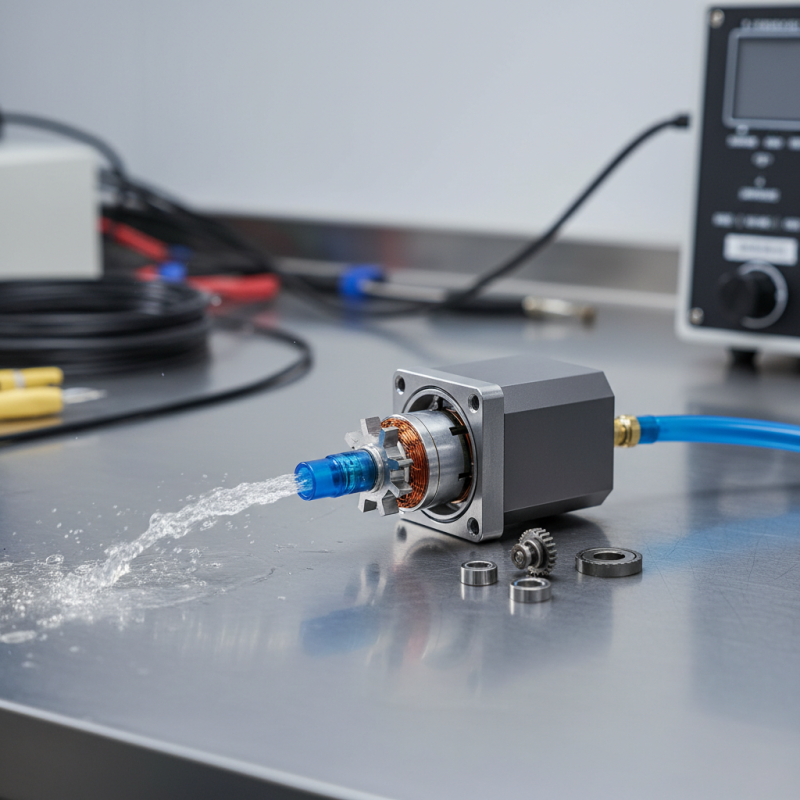
Definition of a DC High Pressure Pump and Its Applications
A DC high pressure pump is an essential tool in various industries. It converts electrical energy into mechanical energy to generate high-pressure fluid flow. Common applications include automotive, aerospace, and industrial cleaning. These pumps provide reliable performance and are known for their efficiency in transferring liquids under pressure.
In the automotive sector, DC high pressure pumps are vital for fuel injection systems. A report from a leading industry research firm indicates that these pumps account for approximately 25% of the market in automotive applications. In aerospace, they help in hydraulic systems where precision and reliability are crucial.
**Tip:** Regular maintenance of DC high pressure pumps can enhance their lifespan. Check seals and connections frequently to prevent leaks.
DC high pressure pumps are also widely used in cleaning applications. They create high-pressure sprays that can effectively remove dirt and grime. While they are powerful tools, improper use can lead to mishaps. Misalignment or incorrect pressure settings can result in equipment damage or safety hazards.
**Tip:** Always follow manufacturer guidelines for pressure settings to ensure safe operations.
DC High Pressure Pump Applications and Performance
Key Components of a DC High Pressure Pump Explained
DC high pressure pumps are vital in various applications, from industrial processes to automotive systems. Understanding their key components enhances our grasp of how they function effectively. A typical DC high pressure pump includes a motor, a pressure chamber, and a check valve.
The motor generates power to drive the pump. Most commonly, brushless DC motors are used for their efficiency and longevity. They provide better performance compared to conventional motors, often exceeding 85% efficiency rates. This efficiency is crucial, especially in environments where electricity costs are a concern. The pressure chamber stores fluid and converts the motor's energy into mechanical energy, creating pressure.
Another key element is the check valve, which prevents backflow. This ensures that the pressured fluid moves in one direction, maintaining system efficiency. In some systems, the absence of a reliable check valve can lead to significant pressure drops, causing inefficiencies. According to the Pump Industry Report 2022, inadequate valve performance can reduce overall pump efficiency by up to 15%. These components work in unison to provide reliable operation, but malfunctions in any part can lead to system failure, highlighting the need for regular maintenance and quality control.
What is a Dc High Pressure Pump and How Does It Work? - Key Components of a DC High Pressure Pump Explained
| Component | Description | Function |
| Motor | Electric motor that drives the pump | Converts electrical energy into mechanical energy |
| Pump Head | The main housing where fluid is pressurized | Houses impellers or pistons that increase fluid pressure |
| Impeller/Piston | Rotating component that enhances fluid flow | Increases kinetic energy of the fluid, creating pressure |
| Control System | Electronic system regulating pump operation | Ensures optimal performance and safety |
| Valves | Devices that control fluid flow direction | Prevent backflow and regulate pressure |
| Cooling System | Mechanism to dissipate heat generated by the pump | Maintains efficiency and prolongs pump life |
How a DC High Pressure Pump Operates Mechanically
A DC high-pressure pump is a critical device in various industrial applications. It operates on a straightforward mechanical principle that focuses on converting electrical energy into fluid energy. The pump features a motor that drives a rotor. As the rotor spins, it creates a zone of low pressure, which draws fluid into the pump chamber.
Inside the chamber, the rotor forces the fluid through a series of impellers. These impellers increase the fluid's velocity while pushing it toward the discharge outlet. This process results in increased pressure. The design of DC high-pressure pumps allows for efficient fluid handling in various settings, from agricultural use to manufacturing processes. Precise engineering helps maintain optimal performance, yet it's important to ensure regular maintenance.
However, challenges may arise. For example, improper installation can lead to air bubbles in the fluid. These air pockets compromise efficiency and affect performance. Additionally, wear and tear on the rotor can cause significant drops in pressure. Understanding these mechanical aspects can help operators mitigate issues and enhance pump longevity. It's crucial to regularly monitor performance to ensure reliability.
Advantages of Using DC High Pressure Pumps Over Other Types
DC high pressure pumps offer several advantages compared to traditional pump types. They are often more efficient, consuming less energy. According to a recent industry report, DC pumps can reduce energy consumption by up to 30% in specific applications. This efficiency arises from their electronic control systems, allowing for precise adjustments in flow and pressure.
Moreover, DC high pressure pumps operate quietly and require less maintenance. This feature results from fewer moving parts compared to AC pumps. The reduced wear and tear lead to lower long-term operational costs. Many users report that these pumps operate effectively in various environments, from agricultural to industrial settings.
While the benefits are clear, it's essential to acknowledge limitations. Not every application may suit a DC high pressure pump's characteristics. Variables like duty cycle and temperature can impact performance. Users must consider these factors when selecting a pump. An informed decision can enhance efficiency and ensure longevity in pump operation.
Common Industries Utilizing DC High Pressure Pumps
DC high pressure pumps are vital tools in various industries. They convert electrical energy into mechanical energy, creating high-pressure liquid flow. This technology is widely utilized, leading to improved efficiency and effectiveness in operations.
Industries such as automotive, food processing, and pharmaceuticals heavily rely on these pumps. In the automotive sector, they are essential for cleaning parts and engine components. The food processing industry uses them for precise ingredient mixing and sanitization. In pharmaceuticals, these pumps ensure accurate dosing and mixing of active ingredients.
However, maintaining these pumps requires careful attention to operational standards. Moreover, challenges often arise with performance standards and maintenance routines. Not all industries are equipped to manage the high demands of DC high pressure pumps effectively. Many operators struggle with the complexities of upkeep. Addressing these issues can boost reliability, but awareness and training are crucial for success.





