Top Custom Soccer Medals for Teams and Tournaments
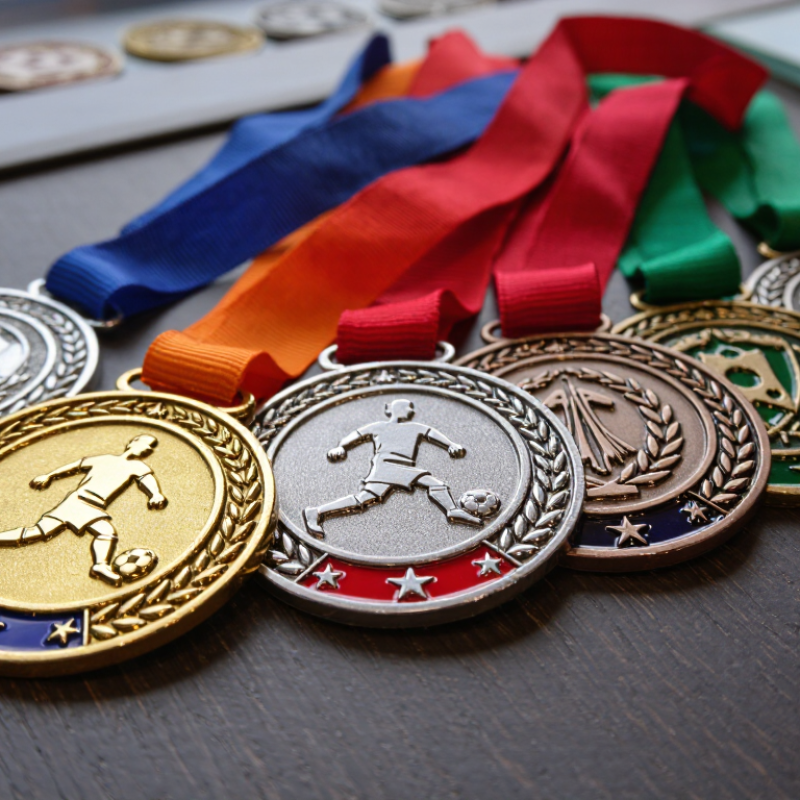
A soccer medal can turn a final whistle into something players remember long after the field clears. Custom Soccer Medals help teams recognize champions, finalists, tournament volunteers, and standout performances with a keepsake made for their event. The right choice is not simply the shiniest one. It should feel comfortable in a player’s hand, show the event name clearly, and hold up through years in a drawer or display case.
Material, size, finish, and personalization all affect the result. A zinc-alloy medal can offer crisp raised details, while a lighter metal may suit large youth tournaments with tight budgets. Enamel colors can match a club crest, but tiny lettering may become hard to read. Small details matter. Before approving production, check the artwork at actual size and confirm spelling, ribbon colors, and delivery timing. A sample or clear proof can catch issues that a screen preview misses.
This guide explores medal styles for teams and tournaments, from classic gold, silver, and bronze awards to custom shapes and ribbons. It also considers how quantity, engraving, and design choices influence cost and usefulness. There is no single best medal for every event. A community cup may need a durable, affordable design; a season-ending final might call for richer detail. Even with careful planning, a design can look different in person. That is worth considering before ordering. The goal is a thoughtful award that celebrates effort without creating unnecessary expense.
Soccer Medal Types for Teams, Leagues, and Tournament Awards
Top Custom Soccer Medals for Teams and Tournaments
Soccer medal types should match the award, event, and players receiving them. Participation medals recognize every player’s effort, while first-, second-, and third-place designs make league standings easy to celebrate. For tournaments, organizers can add separate awards for most valuable player, top scorer, or goalkeeper. Keep each category visually distinct. A different ribbon color or engraved title helps players identify the achievement at a glance.
Team medals often use a shared front design with the season, club name, or event date on the back. League awards may need clear placement numbers and room for yearly updates. Tournament medals can feature a ball, goal net, or field outline, but fine details may disappear on small surfaces. Worth checking a sample before ordering. A medal that looks sharp on a screen can feel surprisingly heavy or crowded in hand. That detail is easy to overlook.
Tips: Confirm spelling, quantities, medal size, and ribbon colors before production. Choose legible lettering over long slogans, especially for younger teams. Leave space for the year if the same design will return next season. Small details matter. If budget is limited, use one base medal and change the ribbon or engraving by award category.
Custom Soccer Medal Size Options
Medal diameters of 50, 60, 70, and 80 mm are practical examples for participation awards, team honors, and tournament prizes. Available sizes vary by design and manufacturer.
How FIFA’s 11-Player Match Format Shapes Team Medal Planning
FIFA matches place 11 players from each side on the field, but medal planning should never stop at 11. A tournament squad can include substitutes, and competition rules determine how many players may be registered or used. Confirm the event roster before ordering. A spare goalkeeper, a late call-up, or a player who joined after the first match can change the count.
For custom soccer medals, separate the on-field number from the full group being recognized. Ask organizers whether medals are for registered players, match-day participants, coaches, or support staff. Then compare that list with the final roster and order a small buffer if the budget allows. It helps.
Check names, team colors, medal sizes, and delivery dates in writing. For example, a medal display can show a player number or tournament year, while the reverse carries a short event name. Keep the lettering readable; tiny text often looks crowded after production. A common planning mistake is treating the starting 11 as the whole team. It feels simple, but it can leave substitutes without recognition. Verify quantities again after roster changes, and leave time for corrections before production begins.
Top Custom Soccer Medals for Teams and Tournaments - How FIFA’s 11-Player Match Format Shapes Team Medal Planning | Planning scenario | Medal recipient basis per team | Medals for recipients | Suggested spare stock | Suggested order per team | Customization idea |
| Starting lineup only | 11 players, including the goalkeeper | 11 | 2 | 13 | Add the tournament year and team name; confirm whether substitutes are eligible before ordering. |
| 18-player roster example | All 18 rostered players | 18 | 2 | 20 | Use a consistent medal face and personalize the reverse with the recipient’s name or squad number. |
| 23-player roster example | All 23 rostered players | 23 | 2 | 25 | Allow space for the event name, placing, date, and a short tournament emblem or motif. |
| 26-player roster example | All 26 rostered players | 26 | 2 | 28 | Check the competition’s approved squad and medal-eligibility rules before confirming quantities. |
| Three medal-placing teams | Example: 18 recipients per team across gold, silver, and bronze teams | 54 total | 6 total | 60 total | Differentiate first, second, and third place with medal finish or ribbon color while keeping the design consistent. |
| Format note: In association football, a team may have no more than 11 players on the field at a time, and one must be the goalkeeper—so a full 11-a-side match has up to 22 players on the field. Squad sizes and medal eligibility vary by competition. Roster figures and two-medal buffers above are planning examples, not universal tournament rules; spare medals are stock and are not included in recipient counts. |
Custom Medal Design: Size, Shape, Relief, Finish, and Ribbon Choices
A soccer medal should feel balanced in the hand, not merely look impressive in a photo. For most youth tournaments, a diameter around 50–60 millimeters leaves room for the event name, year, and a clear soccer motif. Heavier medals can feel special, but they may be uncomfortable for younger players. Check the weight before approving a full order.
Round medals suit classic tournament artwork, while shield or pennant shapes can echo team identity without adding extra wording. Raised relief works well for a ball, goal net, or player silhouette because light catches the details. Keep lettering simple, though: fine text can disappear when the relief is deep. Small details matter.
Finish changes the whole impression. Bright gold, silver, or bronze reads clearly from a distance; antique finishes add contrast in recessed areas but can make a busy design look darker than expected. A proof viewed on screen may not show the final metal color accurately, so confirm a physical sample when timing allows. I would avoid crowding the face with every tournament detail; the first draft often has too much. Put secondary information on the reverse instead. Choose a ribbon wide enough to sit flat, with colors that complement the medal rather than compete with it. Check the attachment and stitching, too. A beautiful face is not enough.
Materials, Engraving, and Production Factors That Affect Medal Quality
Top Custom Soccer Medals for Teams and Tournaments
Medal quality starts with the base metal. Zinc alloy supports crisp relief and a substantial feel, while aluminum keeps awards lighter for large team orders. The U.S. Geological Survey’s Mineral Commodity Summaries 2025 estimates global zinc mine production at about 12 million metric tons in 2024. That figure signals broad material availability, not guaranteed medal quality. Ask suppliers about alloy composition, coating thickness, and sample consistency. A bright finish can hide uneven edges.
Engraving also matters. Deep, clean lettering stays readable around small team crests, while shallow marks may disappear under polished plating. For aluminum options, the International Aluminium Institute reports that roughly 75% of all aluminum ever produced remains in use today. Recycled content can be practical, but buyers should still check surface uniformity and finish adhesion. Production controls count. Request a physical proof before approving a full run, then inspect lettering, ribbon holes, and color matching under ordinary indoor light. I still double-check tiny dates; they are easy to miss on screen. Small details matter. If medals face frequent handling, ask how the finish is tested for wear and corrosion, rather than relying on appearance alone.
Ordering Medals for Tournament Scale: FIFA’s 48-Team 2026 World Cup Format
FIFA’s 2026 format changes the scale of tournament planning. Its December 2022 Council announcement confirms 48 teams, arranged in 12 groups of four. The official match schedule lists 104 games. The top two teams in each group, plus eight best third-place teams, advance to a 32-team knockout stage. That means more fixtures, more milestones, and more chances to recognize players.
Medal orders should reflect people, not just team counts. A useful starting point is each squad’s confirmed roster, with separate quantities for coaches and other award recipients. Then check whether medals are needed for group-stage awards, finalists, or tournament-wide honors. Plan for names. FIFA’s format data describes the competition, not medal eligibility, so organizers should confirm award rules before approving quantities. Small details matter: a misprinted year or an undersized ribbon can spoil a carefully planned presentation. Build in time to review proofs and verify delivery dates. Still, a buffer is not a substitute for accurate roster data; late changes can leave the wrong names on the table. For smaller events borrowing this model, scale the ceremony to the actual awards rather than copying a major tournament’s inventory.





