What is a corrugated iron roofing sheet making machine?
A corrugated iron roofing sheet making machine plays a pivotal role in modern construction. This machine efficiently produces durable roofing sheets essential for protecting buildings. With its impressive capabilities, it streamlines the process of sheet production.
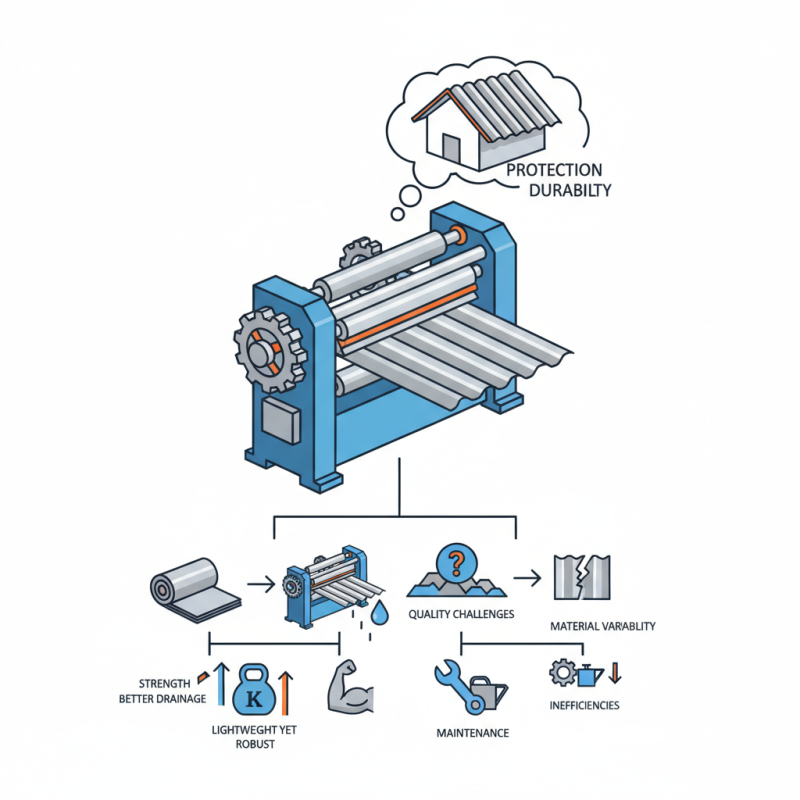
The machine operates by shaping flat metal sheets into corrugated forms. These forms enhance strength and provide better drainage. Consequently, the end product is lightweight yet robust. However, the manufacturing process may present challenges. Ensuring consistent quality can be difficult. Variability in raw materials might impact the strength of the sheets produced.
Moreover, the user must maintain the machinery properly. Neglecting maintenance can lead to inefficiencies. Regular checks are vital to keep the production line running smoothly. Overall, a corrugated iron roofing sheet making machine signifies a blend of technology and practicality. It embodies both progress and the need for constant improvement.
Definition of Corrugated Iron Roofing Sheet Making Machine
A corrugated iron roofing sheet making machine is crucial in the construction industry. This machine shapes and produces sheets used for roofing that are durable and lightweight. These machines can manufacture various profiles to meet specific customer needs. Reports indicate that the global market for corrugated metal roofing is expected to grow at a compound annual growth rate (CAGR) of around 6% from 2021 to 2026.
The design of these machines may seem simple, yet they demand precision. They utilize rollers to shape the metal sheets into corrugated patterns. The thickness of the metal, typically ranging from 0.3 mm to 1 mm, affects the strength and longevity of the final product. Efficiency can sometimes be an issue. Some machines struggle with uniformity in production. This can lead to waste and increased costs. Regular maintenance is key to avoiding such pitfalls.
Investing in advanced technology can resolve these inefficiencies. High-speed machines with automation features are on the rise. However, initial costs can be prohibitive for smaller manufacturers. Reports suggest that easier financing options are necessary to enable more companies to adopt modern machines. This gap poses questions about the future development of the industry.
Key Components of a Corrugated Iron Roofing Sheet Making Machine
A corrugated iron roofing sheet making machine is essential in the construction industry. It transforms metal sheets into wave-like patterns, creating durable roofing materials. Key components of this machine include the decoiler, roll forming unit, cutting unit, and control system.
The decoiler feeds flat metal coils into the machine. This component must handle heavy loads. Reports show the capacity can exceed 10 tons. The roll forming unit shapes the metal into desired profiles. This process requires precision to ensure uniformity. Often, a single machine can produce thousands of sheets per day.
The cutting unit plays a critical role. It ensures sheets are cut to specific lengths. This process needs to be accurate. Errors can lead to wastage. Lastly, the control system integrates all components. It allows operators to set parameters efficiently. This ensures consistency; yet, some operators may face challenges in managing these complex controls. Training is vital for achieving optimal performance.
Working Process of a Corrugated Iron Roofing Sheet Making Machine
The corrugated iron roofing sheet making machine is crucial in the construction industry. Its working process begins with feeding metal coils into the machine. These coils are typically made of galvanized steel, which is resistant to corrosion. The machine then shapes these coils into corrugated sheets through a series of rollers. This process ensures uniform thickness and precise dimensions. Reports indicate that the global demand for corrugated metal sheets could reach 23 million metric tons by 2025, highlighting its importance.
Once the sheets are formed, they undergo cutting processes to achieve standard lengths. Additionally, some machines have the capability to emboss designs, enhancing aesthetic appeal. The efficiency of these machines is notable; they can produce thousands of sheets daily. However, it’s essential to operate with skilled personnel to avoid production errors. Mishandling can lead to defects or waste, impacting overall productivity and costs.
The final stage involves quality checks. Each sheet is inspected for durability and dimensions. Some manufacturers face challenges with equipment calibration and maintenance. This oversight can cause breakdowns and delays. Industry reports suggest that regular maintenance can reduce downtime by up to 30%. As technology advances, staying updated is vital for future profitability in this sector.
Applications of Corrugated Iron Roofing Sheets in Construction
Corrugated iron roofing sheets are commonly used in construction. They are robust and durable, making them ideal for various building projects. These sheets provide excellent weather resistance, which is essential for protecting structures. Additionally, they can improve energy efficiency by reflecting sunlight.
One significant application is in residential buildings. Homeowners often prefer corrugated iron sheets due to their affordability. They are lightweight and easy to install, which reduces labor costs. These sheets are also available in different colors, adding aesthetic value to homes. However, careful attention is needed during installation. Overlapping sheets too much can lead to leaks.
In commercial construction, corrugated sheets are indispensable. Factories and warehouses utilize them for roofing because of their strength. The sheets can withstand heavy loads and harsh weather. Use in agricultural buildings is also common. They protect livestock and equipment from elements. Yet, some may overlook proper maintenance. Rust can develop if not regularly checked.
Tips: Ensure proper drainage to extend the life of corrugated roofing sheets. Clean the surface periodically. Take time to inspect for rust or damage. Address issues promptly to avoid costly repairs later.
Benefits of Using Corrugated Iron Roofing Sheets in Building Projects
Corrugated iron roofing sheets offer numerous benefits for construction projects. These sheets are durable and resistant to extreme weather. According to a recent industry report, structures with iron roofing can reduce maintenance costs by up to 30%. This is significant, especially for commercial buildings that need to maintain their appearance.
In addition to durability, corrugated iron is lightweight, making it easier to transport and install. This attribute can save time and labor costs. In fact, projects using lightweight materials often finish 15% faster than those using traditional roofing materials. With proper installation, these sheets can last for over 50 years, far exceeding the longevity of many alternatives.
Tips: Always ensure proper ventilation. This can prevent condensation. Also, consider using a breathable underlayment for added protection. Investing in these small details can enhance the overall lifespan of your roofing. However, remember that poor installation can lead to leaks and damage. It's essential to hire skilled professionals for this task.





