Top 10 Things to Consider When Choosing a Dyeing Machine?
In the ever-evolving textile industry, selecting the right dyeing machine is a critical decision. According to a recent industry report by Grand View Research, the global dyeing machine market is projected to reach USD 7.81 billion by 2027, driven by advancements in technology and increasing demand for sustainable practices. This data underscores the importance of making informed choices when investing in dyeing machinery.
A dyeing machine is not just about colors; it impacts efficiency, waste management, and overall production costs. Factors such as energy consumption, material compatibility, and the machine's environmental footprint play crucial roles in this selection process. For instance, a machine that uses less water can significantly enhance sustainability, which is an evolving standard in the industry.
However, choosing a dyeing machine comes with challenges. There is a delicate balance between cost and quality. Some machines may seem appealing due to their low price but can lead to higher maintenance costs down the line. Thoughtful consideration of features, supplier reputation, and long-term support are essential in preventing future pitfalls and ensuring a beneficial investment.
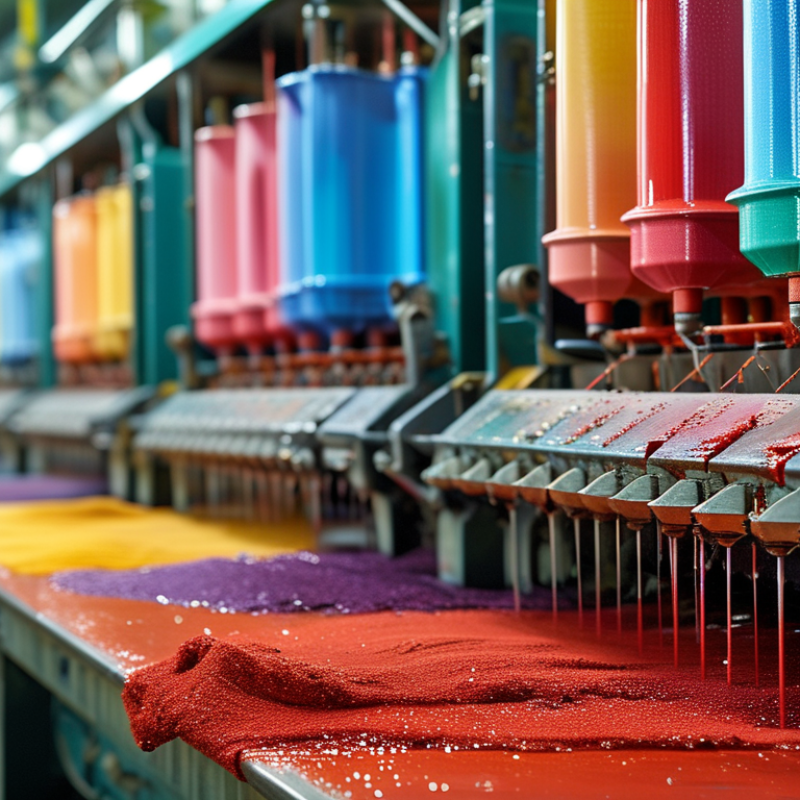
Key Considerations for Dyeing Machine Capacity and Size
When selecting a dyeing machine, size and capacity are critical aspects to consider. The right capacity ensures efficiency and effectiveness in dyeing processes. A machine's size must align with production needs. According to industry reports, approximately 70% of production issues stem from incorrect machine sizing. If the machine is too small, it can lead to bottlenecks. Conversely, overly large machines may result in wasted resources and energy.
It's essential to evaluate the expected volume of dyeing. For instance, small-scale operations may need machines with a capacity of 100-500 liters. Meanwhile, larger operations often require machines that hold over 1,000 liters. Overloading a machine can decrease dyeing quality and increase maintenance costs. Regularly reviewing production goals helps to assess if the machine's capacity still meets the demands.
In terms of space, organizations need to consider the layout of their facilities. Ideal positioning avoids clutter and enhances workflow efficiency. Experts suggest allowing at least 15% extra space for future growth. Compromising on space can lead to safety risks and operational challenges. Hence, organizations must approach capacity and size decisions thoughtfully.
Types of Dyeing Machines and Their Applications in Textile Industry
When exploring the types of dyeing machines in the textile industry, it's crucial to understand their specific applications. There are various dyeing machines available, including jet dyeing machines, beam dyeing machines, and roller dyeing machines. Each type offers unique benefits based on the materials being dyed and the desired results. For instance, jet dyeing machines are ideal for delicate fabrics. They minimize tension, thus preventing damage during dyeing.
Industry reports indicate that the global dyeing machine market size was valued at over $1 billion in 2022. The growth rate is projected to be around 4% annually. This rise is attributed to innovations in dyeing technology that enhance efficiency and reduce water consumption. Beam dyeing machines are particularly popular for their ability to handle large volumes, yet they may not be suitable for all fabric types. It's essential to evaluate the fabric characteristics before selection.
While there are significant advancements, challenges still exist. Some machines require extensive maintenance and are not user-friendly. Moreover, understanding color fastness and its impact on fabric durability is vital. Misunderstanding these features can lead to suboptimal dyeing outcomes. Balancing technology with practical knowledge ensures better decisions in choosing the right dyeing machine for specific needs.
Importance of Material Compatibility in Dyeing Machine Selection
When selecting a dyeing machine, material compatibility is crucial. Different fabrics react uniquely to dyes and processes. A cotton fabric may absorb dye differently than polyester. It's essential to consider how the dye interacts with the material. This ensures even coloration and prevents defects.
Understanding the material composition helps determine how much dye is needed. For example, natural fibers often require different settings than synthetic ones. Testing small samples can reveal compatibility issues. Neglecting this can result in unsatisfactory outcomes. A machine that works for one type of fabric may fail with another.
Moreover, machines vary in their dyeing capabilities. Some are designed for specific materials, while others offer versatility. Choosing the wrong machine can lead to inefficiencies. Maintaining quality standards and achieving the desired finish depends on this compatibility. Always consider future projects and the fabrics you might use.
Energy Efficiency and Environmental Impact of Dyeing Equipment
When evaluating dyeing machines, energy efficiency and environmental impact are crucial factors. According to a report by the International Energy Agency, dyeing processes can consume up to 5% of a textile manufacturer's total energy. Ensuring that the chosen equipment minimizes energy usage is essential for cost control and compliance with environmental standards. Efficient machines not only reduce carbon emissions but also lower operating costs significantly.
Implementing energy-efficient technology can lead to substantial savings. For instance, switching to machines that recycle water can reduce water usage by as much as 50%. Many manufacturers are now adopting dyeing equipment designed to use less water and energy. These advancements can help companies meet sustainability goals while remaining competitive in the market.
Assessing the total environmental impact is also vital. Factors such as chemical waste management and emissions should be considered. Sustainable dyeing machines often incorporate systems for better waste disposal and management. Companies should analyze lifecycle assessments of their equipment choices. Understanding both footprint and cost-effectiveness can prevent potential compliance issues and enhance brand reputation.
Adopting greener practices isn’t just beneficial for the planet; it aligns with consumer demand for sustainability. Brands embracing energy-efficient dyeing will likely gain a competitive edge. Continuous reflection on machinery choices can lead to improved practices, but the journey towards innovation must include transparency and accountability in processing methods.
Budgeting for Purchase and Maintenance of Dyeing Machines
When considering the purchase of a dyeing machine, budgeting for both the initial purchase and ongoing maintenance is crucial. It's easy to focus solely on the upfront costs, but overlooking maintenance can lead to unexpected expenses. High-quality machines come with higher initial costs, but they often offer better durability and efficiency over time. Investing in reliable technology may save money down the road through reduced downtime and lower repair rates.
Maintenance costs can be tricky. Routine checks and part replacements can add up, which varies depending on the machine type. Setting aside a percentage of your budget for maintenance is a wise move. Every machine requires specific care, and neglecting this can lead to more significant issues. Consider potential costs linked to training staff on proper machine operation too.
While the investment might seem daunting, a comprehensive budgeting approach can lead to long-term benefits. Reflecting on the total cost of ownership is key. Many businesses don't account for these hidden costs, which can erode profits. Planning carefully ensures you're not caught off guard by unexpected expenses later on.
Top 10 Considerations for Choosing a Dyeing Machine





