What is a Composite H Beam and Its Benefits for Buyers?
The composite H-beam is a structural component that combines different materials for enhanced performance. This innovation has gained popularity in construction and engineering. Buyers might wonder, what exactly are the benefits of a composite H-beam?
One notable advantage is its strength-to-weight ratio. A composite H-beam is lighter than traditional steel beams but still offers excellent durability. This means reduced shipping costs and easier handling on-site. Additionally, it can resist corrosion better than pure metal beams. This feature extends the lifespan of the structure and minimizes maintenance requirements.
However, there are considerations buyers should reflect upon. The initial cost can be higher than standard H-beams, and not all projects may require the advanced properties of a composite H-beam. It’s crucial for buyers to evaluate their specific needs carefully. Understanding these factors can lead to smarter investment decisions in construction materials.
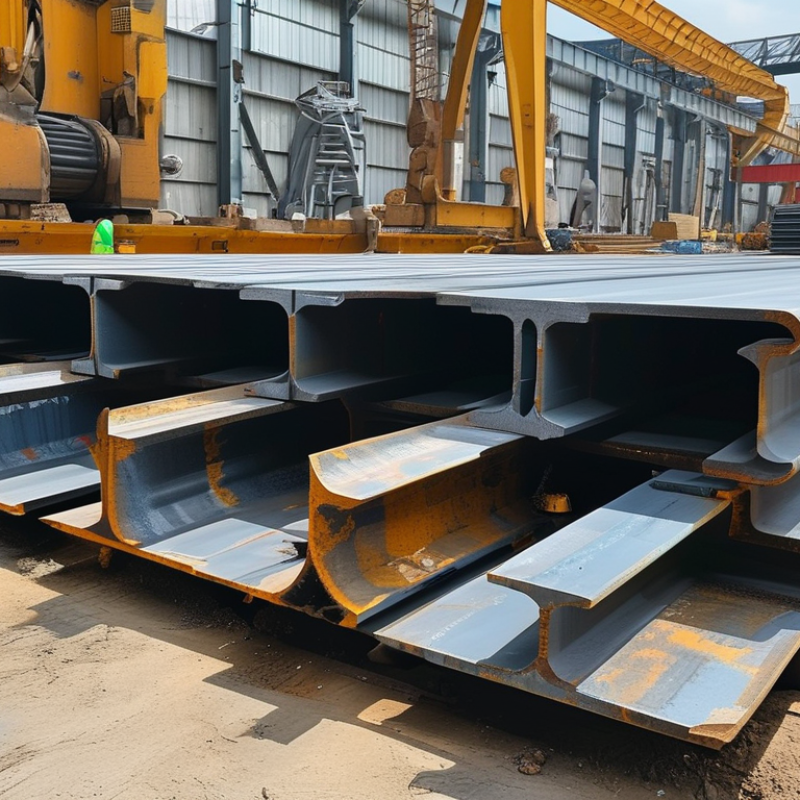
What is a Composite H Beam?
A composite H beam is a structural element made from two materials. Typically, it combines steel and concrete. This design enhances strength while reducing weight. Composite H beams are gaining popularity in construction. They offer increased load-bearing capacity and flexibility for architects.
According to industry reports, composite beams can be 20% lighter than traditional steel beams. This reduction in weight translates to lower transportation costs and easier handling on-site. Structural engineers often prefer these beams for high-rise buildings and bridges. The innovative design allows for larger spans, minimizing the need for intermediate supports.
Tips: When selecting composite H beams, check the load requirements. Be aware of local building codes. Also, consider the long-term maintenance needs, as composite materials may age differently. Regular inspections can ensure structural integrity over time. These beams can deliver impressive performance, but understanding their limitations is crucial.
Key Characteristics of Composite H Beams
Composite H beams are known for their unique construction. They combine materials, typically steel and concrete, to enhance performance. This design ensures that the beams are strong yet lightweight. The synergy between these materials allows for improved load-bearing capacity. Buyers will appreciate how these beams can withstand significant stress without excessive weight.
A key characteristic of composite H beams is their efficiency in construction. They can simplify the building process, reducing the need for additional supports. This can lead to lower labor costs and faster project completion. Another notable benefit is the improved durability. The concrete encasement protects the steel from corrosion. This quality helps extend the lifespan of structures, yet it requires careful consideration during the installation process.
Additionally, composite H beams offer design versatility. They can adapt to various architectural needs without compromising structural integrity. However, their complexity can pose challenges. Buyers must ensure proper engineering assessments are in place. This strengthens the overall reliability of the structure. While attractive for many projects, it's crucial to weigh the benefits against potential drawbacks. Understanding these details is vital for making informed decisions.
What is a Composite H Beam and Its Benefits for Buyers? - Key Characteristics of Composite H Beams | Characteristic | Description | Benefits |
| Material Composition | Combination of steel and composite materials | Increased strength-to-weight ratio, reducing material costs. |
| Weight | Lighter than traditional steel beams | Easier handling and installation, leading to lower labor costs. |
| Corrosion Resistance | Enhanced with composite materials | Longer lifespan with reduced maintenance costs. |
| Flexural Strength | Higher flexural strength than standard H beams | Better performance under load conditions, improving structural integrity. |
| Thermal Insulation | Composite materials provide thermal barriers | Improved energy efficiency in building applications. |
Advantages of Using Composite H Beams in Construction
Composite H beams are an innovative solution in construction. Their design combines materials like steel and reinforced concrete. This fusion results in beams that are both lightweight and strong. Builders can use these beams to reduce overall construction weight without compromising strength. For projects with weight restrictions, composite H beams are an intelligent choice.
The benefits extend beyond strength. Composite H beams are also cost-effective. They can reduce labor costs due to easier handling and installation. Additionally, their durability means less maintenance over time.
However, selecting the right composite material can be challenging. Each project has unique needs that require careful consideration. Environmental factors, load requirements, and design specifications can impact this decision.
Moreover, the initial investment in composite H beams may seem high. However, the long-term benefits can outweigh those costs. Buyers should weigh their options thoroughly. It’s crucial to engage with knowledgeable professionals during the selection process. Ensuring proper application is vital for realizing the full potential of composite H beams.
This careful planning can lead to innovative designs that meet modern construction demands.
Comparing Composite H Beams with Traditional H Beams
Composite H beams have emerged as a versatile alternative to traditional H beams in construction and engineering. A recent report by the American Institute of Steel Construction highlights that composite beams can reduce overall material use by up to 30%. They effectively combine the best properties of both concrete and steel. This results in increased load-bearing capacity while maintaining lower dead weights. Many engineers favor composite H beams for their structural efficiency.
When comparing composite H beams with traditional H beams, several factors come into play. For instance, studies indicate that composite beams enhance thermal performance by better insulating than their conventional counterparts. This can lead to improved energy efficiency in buildings. However, one must consider installation challenges. Composite H beams can require more careful fabrication processes. Some manufacturers report increased costs due to these additional requirements.
Overall, buyers may find that composite H beams justify their investment through long-term savings. While the initial price may be higher, the benefits often outweigh these costs. It's essential for buyers to conduct a thorough cost-benefit analysis. Understanding the specific needs for a project will help determine which beam type provides the best value.
Considerations for Buyers When Choosing Composite H Beams
When selecting composite H beams, buyers should prioritize a few critical factors. Material composition plays a significant role in the beam's performance. Different composites offer various strengths and weaknesses, impacting durability and weight. Buyers need to assess the specific requirements of their project. Ignoring these details could lead to inadequate support or excessive costs.
Another important consideration is the beam's dimensions. Proper size ensures that the beam fits perfectly within the intended construction framework. Many buyers overlook this detail, which can result in structural inefficiencies. Accurate measurements can save both time and resources during installation.
Buyers should also think about the intended application of the beams. Some use cases demand higher resistance to environmental factors, while others may focus on aesthetic appeal. Understanding the beam's intended use can guide buyers toward the right choice. A misstep here may not only affect structural integrity but also future maintenance needs. Taking time to consider these factors will help in making a more informed decision.
Benefits of Composite H Beams





