What Is a Duct Air Heater Used For?
What Is a Duct Air Heater Used For? A Duct Air Heater warms air moving through a ventilation or HVAC system. Installed inside a duct, it can raise the temperature of incoming or recirculated air before that air reaches occupied rooms. The result is controlled, distributed heat—not warmth from a single portable unit. You may find duct heaters in commercial buildings, workshops, warehouses, and some homes, where they support a central heating system or provide supplemental heat.
An electric model uses resistance elements; a fuel-fired model uses combustion and requires suitable venting and controls. Either way, correct sizing and airflow matter. A heater that is too powerful for the duct can create uneven temperatures or trigger safety limits. Too little airflow is a real concern. A qualified HVAC professional should check the duct dimensions, electrical or fuel supply, controls, and manufacturer instructions before installation.
HVAC engineer and author John Siegenthaler is known for his work on heating-system design. The line below is an editorial paraphrase of practical HVAC design principles, not a verified verbatim quotation: “Match the heat source to the system, and make sure the air can carry that heat safely.” That distinction matters; a direct quotation should be checked against its original source. In this guide, we’ll look at common uses, heater types, key selection factors, and basic safety considerations. The details matter. A correctly selected Duct Air Heater can help deliver steady warmth, but it is only one part of a well-designed air system.
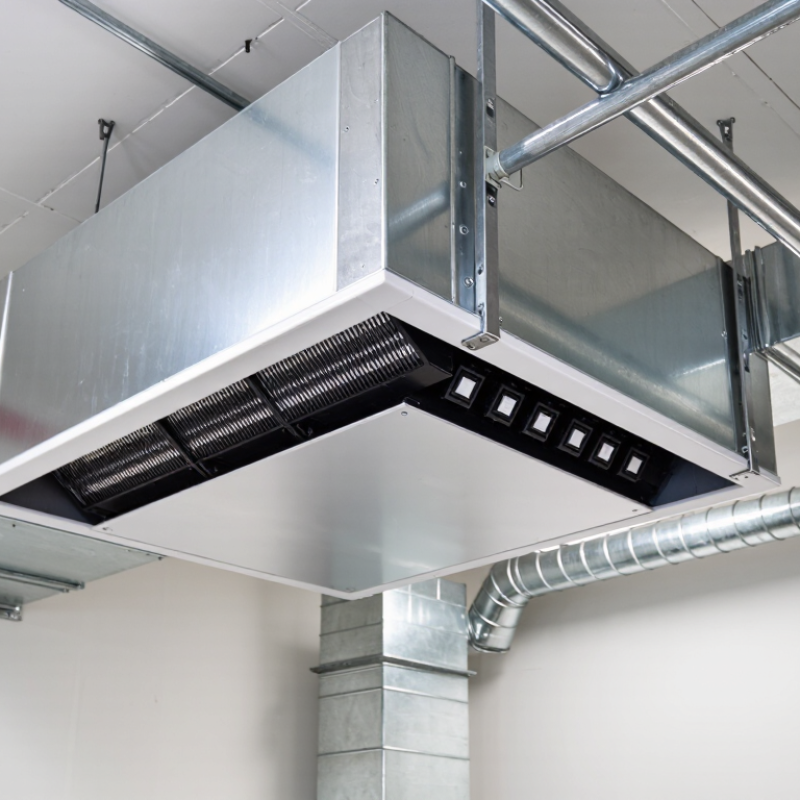
What a Duct Air Heater Is
A duct air heater is a heating device installed inside an air duct. It warms air as the ventilation or HVAC system moves it through the building. Common types use electric heating elements or hot-water coils. It is not a furnace. Unlike a central furnace, a duct heater usually serves a specific airflow path or zone, adding heat where the main system needs support. For example, it may temper cold incoming outdoor air or warm a distant room. The name can be confusing: a duct heater is a component, not a complete heating system.
The U.S. Energy Information Administration’s 2020 Residential Energy Consumption Survey reports that space heating made up about 42% of household energy use. That figure helps explain why correct sizing and control matter. A heater that is too powerful may cause uneven temperatures; one that is too small may leave supply air uncomfortably cool. The U.S. Department of Energy estimates that typical homes lose 20% to 30% of conditioned air through duct leaks, holes, or poor connections. A heater cannot correct those losses. Check airflow, insulation, and controls during installation, and use a qualified HVAC professional to confirm the unit matches the duct and electrical or hydronic system. Small details matter. A loose sensor or restricted duct can change performance.
What Is a Duct Air Heater Used For?
A duct air heater warms air moving through an HVAC duct. It can provide supplemental heat, temper outdoor or make-up air, or help maintain a target supply-air temperature. The chart shows the estimated temperature rise at a constant airflow of 1,000 CFM.
Estimated rise assumes standard air conditions and uses approximately 3,160 × heater capacity (kW) ÷ airflow (CFM). Actual performance varies with airflow, air properties, and system design.
How a Duct Air Heater Warms Moving Air
What Is a Duct Air Heater Used For?
A duct air heater raises the temperature of air moving through a ventilation or HVAC duct. A fan pushes air across heated elements, and the warmed air travels to rooms or equipment. Think of a cold metal duct on a winter morning: the heater adds warmth to the airflow before it reaches the outlet. The temperature rise depends on heater capacity, airflow, and incoming air temperature. More power does not always mean better comfort.
The U.S. Department of Energy’s Better Buildings initiative reports that HVAC systems use about 40% of the energy in commercial buildings. That figure makes airflow and control choices worth checking, not just heater size. Too little airflow can cause overheating; too much can leave supply air feeling lukewarm. In practice, duct layout and insulation matter, too. It is easy to overlook them when focusing only on the heating element.
Tips: Check the heater’s rated airflow and temperature limits against the system design. Keep filters clean, and confirm that safety controls operate correctly. If rooms heat unevenly, measure air temperature near the outlets before changing settings. A quick check may reveal a balancing issue, though measurements can vary with operating conditions.
Where Duct Air Heaters Are Commonly Used
Duct air heaters are commonly installed in HVAC systems that need warmer supply air without heating an entire building. In homes, they may support a heat pump during very cold weather or warm air in a room addition. The heater sits inside or beside the duct, so heated air travels through existing vents. Placement matters: a cramped duct can restrict airflow and cause uneven temperatures.
Commercial buildings use duct heaters in offices, shops, schools, and clinics. They can temper outdoor air brought in for ventilation, or provide extra heat to areas with high ceilings and frequent door openings. In workshops and warehouses, a heater may help keep work zones comfortable when whole-building heating is impractical. Not every space needs the same output. Ceiling height, duct size, airflow, and local conditions all affect selection.
Some systems use duct heaters for process air or for frost protection in equipment rooms. These applications need careful controls, including airflow and temperature limits. A heater should not operate without adequate airflow. Simple, but important. In practice, the right location can be less obvious than a product diagram suggests; an HVAC professional can check duct capacity, electrical supply, and control compatibility before installation.
What Is a Duct Air Heater Used For? - Where Duct Air Heaters Are Commonly Used
| Common application | What the heater does | Typical heater arrangement | Important considerations |
| Commercial HVAC systems | Warms supply air to help maintain indoor comfort when the central system needs additional heat. | Electric resistance or hot-water coil installed in an air duct. | Match the heater capacity to airflow and available power or hot-water supply; include suitable airflow and temperature controls. |
| Make-up air systems | Tempers outdoor replacement air brought into a building to balance air exhausted by ventilation or process equipment. | Electric or hydronic duct heater, often used with a dedicated make-up air unit. | Consider outdoor design conditions, required ventilation airflow, and freeze protection where water coils are used. |
| Industrial process air | Raises or maintains the temperature of air supplied to a manufacturing or process operation. | Electric resistance elements or a heat-transfer coil selected for the process. | Specify operating temperature, airflow, materials, controls, and safety limits according to the process requirements. |
| Air curtains and entrance systems | Heats the air stream in some air-curtain systems to reduce cold drafts near frequently used entrances. | An electric or hot-water heating section integrated with the air-handling equipment. | Heating supplements the air barrier; select equipment for the opening size, airflow, and expected use. |
| Drying and curing operations | Provides heated air used to dry products, materials, or coated surfaces as part of a controlled process. | Duct-mounted process heater paired with temperature control and the required air-moving equipment. | Account for product limits, exhaust and ventilation needs, temperature uniformity, and applicable fire-safety requirements. |
| Freeze protection for air-handling equipment | Helps prevent excessively cold air from reaching vulnerable sections of an air-handling system in specific installations. | A controlled duct heater or preheat coil positioned upstream of equipment that requires protection. | Use appropriate low-temperature controls and safeguards; a duct heater is not a substitute for proper system design or maintenance. |
Duct air heaters warm air as it passes through a ventilation or air-distribution system. The suitable heater type and capacity depend on the application, airflow, required temperature rise, energy source, and applicable safety codes.
What Roles They Perform in HVAC Systems
A duct air heater warms air as it moves through an HVAC system. It may use electric resistance elements or a hot-water coil. Installed in a supply duct, it can provide primary heat in smaller spaces or supplement a heat pump during cold weather. It can also temper outdoor ventilation air before that air reaches occupied rooms. The U.S. Energy Information Administration’s 2015 Residential Energy Consumption Survey found that space heating accounted for 42% of household site energy use. That heating demand makes reliable air-temperature control important.
Duct heaters also support zone control and reheat. A system can warm air serving a chilly room without raising temperatures throughout the building. In practice, the heater needs enough airflow, correctly sized controls, and an over-temperature safety limit. Otherwise, it may cycle often or overheat the duct. The weak point is easy to overlook: adding heat does not fix poor insulation or blocked airflow. A heater can make a room feel better, but the underlying balance may still be wrong.
Which Factors Determine Their Application
A duct air heater warms air as it moves through a ventilation or process-air system. Its application depends on the air volume, required temperature rise, and available energy source. Airflow comes first. A heater sized for a small branch may not deliver enough heat in a large main duct, while excessive capacity can cause uncomfortable temperature swings.
The duct itself matters. Its dimensions, material, insulation, and available installation space affect heat transfer and safe operating temperatures. Electric heaters need sufficient electrical capacity; hot-water or steam coils depend on supply temperature and flow. The air’s humidity and contaminants also influence material choices and maintenance needs. In dusty or damp settings, access for inspection is practical, not optional.
Controls shape the final choice. A system may need staged heating, a temperature sensor downstream, or airflow interlocks that prevent heating when the fan stops. Local operating conditions and applicable safety requirements should be checked by a qualified designer. Early heat-load estimates are useful, but they are rarely perfect; measured airflow and actual winter conditions can reveal gaps. A heater that looks suitable on paper may still create uneven temperatures if duct layout or controls are overlooked.





