What is Cold Storage Condenser and How Does It Work?
In the realm of refrigeration technology, the "Cold Storage Condenser" plays a pivotal role. According to the International Institute of Refrigeration, effective cold storage solutions can enhance food preservation by up to 90%, reducing waste significantly. Dr. Emily Carter, a leading expert in refrigeration systems, emphasizes, "The efficiency of a cold storage condenser is vital for sustainable practices in the food industry."
Cold storage condensers function by removing heat from refrigerants, ensuring optimal temperature for stored goods. This process is critical for maintaining the quality of perishable items. Inaccurate setups can lead to product spoilage, highlighting the need for precision and reliability in system design. The cold storage market is projected to grow by 12% annually, underscoring its importance in modern logistics.
Yet, issues persist. Many food storage facilities underestimate the energy requirements needed for effective operation. This oversight can lead to operational inefficiencies and increased costs. The reliance on outdated systems raises concerns about overall effectiveness. Transitioning to advanced cold storage condensers can address these challenges, paving the way for more sustainable operations.
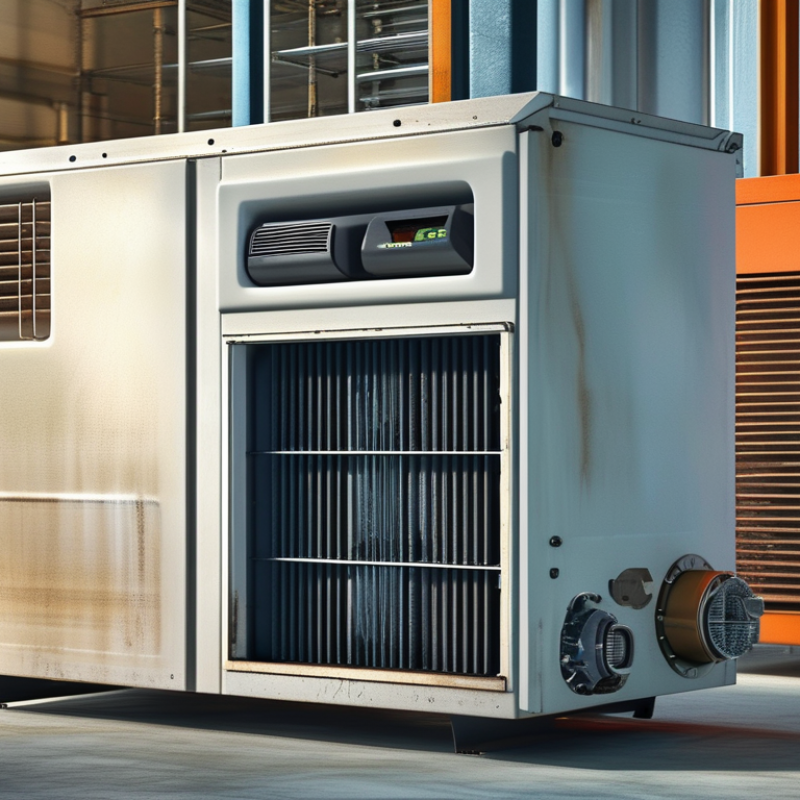
Understanding the Concept of Cold Storage Condenser
A cold storage condenser is a crucial component in refrigeration systems. It plays a vital role in preserving perishable goods by removing heat from the refrigerant. This process lowers the temperature inside storage units. Understanding how it operates is essential for anyone involved in food storage or pharmaceuticals.
The condenser operates by condensing refrigerant gas into liquid. As gas flows through the condenser coils, it releases heat. This heat transfer allows the refrigerant to cool down. Various factors can affect this process, such as ambient temperature and airflow. Insufficient airflow can lead to inefficiencies. This may result in higher energy costs and inadequate cooling for stored items.
While cold storage condensers are reliable, they require regular maintenance. Failing to clean the coils can cause problems. Dust and debris hinder heat exchange, leading to system strain. Users must monitor their systems consistently. Taking proactive measures helps ensure optimal performance. Understanding these concepts enhances reliability and prolongs equipment lifespan.
What is Cold Storage Condenser and How Does It Work?
| Feature | Description |
| Purpose | To maintain low temperatures for the preservation of perishable goods. |
| Components | Comprises evaporator, compressor, condenser, and expansion valve. |
| Working Principle | Uses a refrigeration cycle to remove heat from the storage area. |
| Temperature Range | Typically operates between -18°C to 0°C. |
| Applications | Used in food storage, pharmaceuticals, and biological specimens. |
| Energy Efficiency | Modern units are designed to minimize energy consumption. |
| Maintenance | Regular cleaning and inspections are essential for optimal performance. |
The Components of a Cold Storage Condenser Explained
A cold storage condenser is crucial for efficient refrigeration systems. It plays an essential role in temperature control, especially in food storage. Understanding its components is vital for optimal functioning.
The primary parts include the compressor, condenser coils, expansion valve, and evaporator. The compressor circulates refrigerant, while the condenser coils cool the gas back to liquid form. The expansion valve then reduces the pressure of the liquid refrigerant, allowing it to evaporate in the evaporator. This cycle maintains low temperatures and ensures product safety. According to industry reports, proper condenser maintenance can enhance energy efficiency by up to 20%.
Tips: Regularly check for any airflow obstruction around the condenser coils. Clean them to improve cooling efficiency. Additionally, monitoring refrigerant levels ensures the system runs optimally. Neglecting these aspects can lead to performance drops and increased energy costs.
How Cold Storage Condensers Operate in Refrigeration Systems
Cold storage condensers play a crucial role in refrigeration systems. They transfer heat from the refrigerant, allowing it to condense into a liquid state. As the refrigerant absorbs heat from the cold space, it undergoes phase changes. This process is essential for maintaining temperatures required in food storage, pharmaceuticals, and more. The U.S. Department of Energy states that improved refrigeration technology can reduce energy consumption by up to 30% in commercial applications.
During operation, the condenser interacts closely with other components. For example, the compressor pumps the refrigerant, while the condenser cools it by releasing heat. A report by the International Institute of Refrigeration indicates that condensers can reduce energy costs significantly when maintained properly. Yet, many facilities overlook routine checks, leading to inefficiencies and increased operational costs. Regular maintenance can ensure optimal performance.
Efficiency is vital. A well-designed cold storage condenser can handle varying loads. However, finding the right size and type may require expert consultation. Misjudging these factors can lead to issues such as frequent cycling and inadequate cooling. Collecting data and analyzing performance metrics are steps that can enhance reliability. The refrigeration industry continuously evolves, emphasizing the importance of staying informed and adapting to new technologies.
Understanding Cold Storage Condensers in Refrigeration Systems
Applications and Benefits of Cold Storage Condensers
Cold storage condensers play a vital role in modern refrigeration systems. They are crucial for maintaining low temperatures in various applications, such as food preservation, pharmaceuticals, and chemical storage. By effectively removing heat from the refrigerant, these condensers ensure efficient cooling. Their design can vary, but they commonly utilize air or water as cooling mediums.
One significant benefit of cold storage condensers is their energy efficiency. By optimizing the heat exchange process, businesses can reduce their energy bills. This is particularly important in industries that rely heavily on refrigeration. Additionally, these systems can extend the shelf life of perishable goods. This can help minimize food waste and enhance product quality. However, it is crucial to note that poor maintenance can hinder performance.
Cold storage condensers are also useful in various industries. In the pharmaceutical sector, they ensure proper storage of sensitive medications. In the food industry, they maintain fresh produce and frozen items. Yet, not all systems can meet specific needs or environmental conditions. This can lead to operational challenges. Continuous improvement and adjustments in design are necessary to address these issues effectively.
Maintenance and Troubleshooting for Cold Storage Condensers
Cold storage condensers play a critical role in maintaining proper temperatures for perishable goods. Regular maintenance is essential to keep these systems running smoothly. According to a report by the International Institute of Refrigeration, improper upkeep can lead to a 30% increase in energy consumption. This highlights the importance of routine checks and cleaning.
Common issues with cold storage condensers include refrigerant leaks and coil blockages. A recent study found that a significant number of failures stem from neglected maintenance practices. Checking refrigerant levels routinely can prevent unexpected shutdowns. Blockages can occur from dust accumulation or ice buildup. Regular inspections of air filters and condensate drains can help avoid these problems.
Troubleshooting starts with identifying symptoms early. Users should watch for unusual noises or fluctuations in temperature. The U.S. Department of Energy recommends documenting maintenance activities to track patterns. This proactive approach allows for timely interventions. Implementing these tips can prolong the lifespan of condensers and enhance overall efficiency.





