What is a Coiling and Packing Machine and How Does It Work?
A Coiling and Packing Machine plays a crucial role in various industries. This machine automates the process of winding materials and preparing them for packaging. It is widely used in sectors ranging from textiles to electronics. The efficiency of a Coiling and Packing Machine can greatly reduce labor costs and time spent on packaging.
Understanding how a Coiling and Packing Machine operates is essential for manufacturers. The machine typically takes in flat materials, coils them tightly, and places them in sturdy packaging. This may sound straightforward, but the nuances in configuration matter. Each operation requires precise settings to handle diverse materials effectively.
Sometimes, users may overlook certain adjustments. This oversight can lead to product damages or increased waste. Continuous learning and adjustments are vital to perfecting the use of a Coiling and Packing Machine. Emphasizing a balance between efficiency and quality is critical for optimal outputs. Invariably, this technology pushes the boundaries of production, but it also calls for careful management.
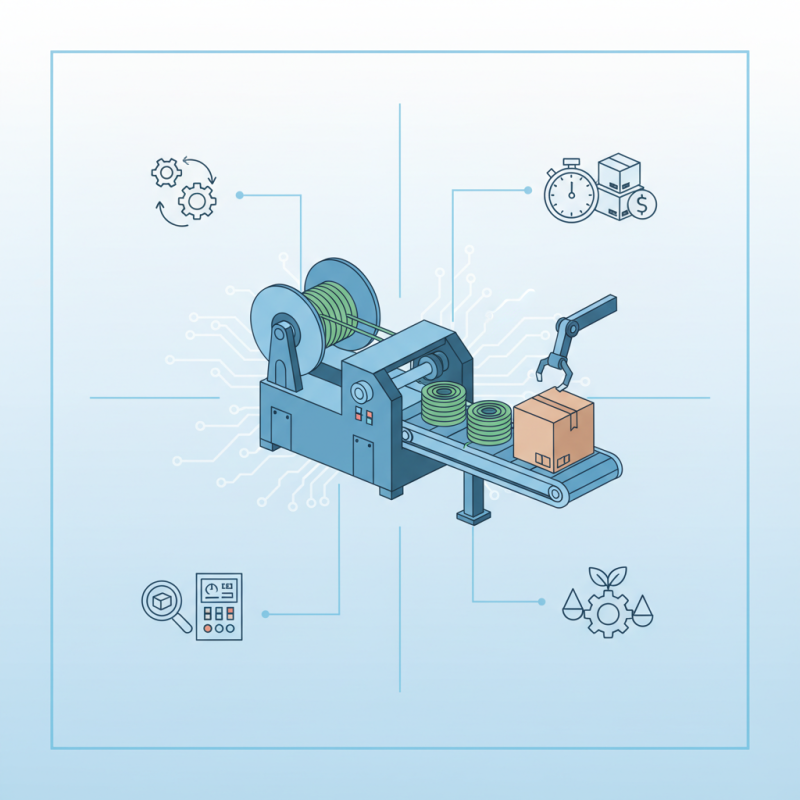
What is a Coiling and Packing Machine?
A coiling and packing machine is essential in various industries. It simplifies the process of winding materials into coils and packing them for shipping. This equipment is beneficial for manufacturers dealing with cables, wires, or textiles. The design allows for efficient coiling and reduces material waste.
When using this kind of machine, pay attention to the type of material being processed. Different materials may require distinct settings for optimal functions. Ensure that the machine is calibrated correctly to avoid issues. It’s easy to overlook the importance of regular maintenance. Neglecting this can lead to equipment breakdown and unexpected costs.
Another critical factor is operator training. An inexperienced operator may not utilize the machine effectively. This can result in errors that waste time and materials. Investing in proper training can lead to significant long-term savings. Be prepared for some trial and error as the team learns the ropes. Embrace the learning curve; it helps refine the process.
Key Components of Coiling and Packing Machines
Coiling and packing machines play a vital role in manufacturing. They are designed to handle various materials, including wire, cable, and threaded products. Understanding their key components is essential for improving efficiency.
The main parts of a coiling and packing machine include the coiling head, conveyor system, and packing unit. The coiling head winds the material into tight coils, allowing for easy storage and transport. Meanwhile, the conveyor system ensures smooth movement between the coiling and packing stages. This minimizes delays and increases productivity. A well-implemented packing unit seals and prepares the coils for shipment. Data shows that over 30% of manufacturing delays arise from inefficient packing processes.
Tips: Regularly inspect the coiling head for wear and tear. Small issues can lead to major production losses. Keep the conveyor system well-lubricated to maintain speed. It's crucial to train operators on best practices to avoid setup mistakes.
Another component worth mentioning is the control interface. Modern machines feature intuitive controls that can enhance precision. However, not all workers may be familiar with these systems. This gap can lead to errors that disrupt the workflow. Consider additional training sessions to boost overall proficiency. A knowledgeable team can drastically reduce machine downtime, making a notable impact on output quality.
The Working Mechanism of Coiling and Packing Machines
Coiling and packing machines are essential in various industries. They streamline the process of winding materials and packaging them efficiently. These machines are used for wires, cables, and other linear products. Understanding their working mechanism reveals their importance in production lines.
A coiling machine operates by taking a continuous length of material. The machine winds this material around a spool or reel. Motors and sensors control the tension as it coils. This ensures that the coiled product is tidy and uniform. After coiling, the packing machine comes into play. It wraps the coiled product using film or boxes, preparing it for distribution.
The process may seem straightforward. However, it requires precision. Any misalignment can cause significant issues. Machines must be regularly maintained. Worn-out parts can lead to inefficiencies. Operators need training to manage the equipment properly. This training is crucial for optimizing the workflow.
Balancing speed and quality is always a challenge. Even small mistakes can affect large batches.
Applications of Coiling and Packing Machines in Industry
Coiling and packing machines are pivotal in various industries, significantly enhancing productivity. These machines efficiently wind materials into coils and package them for shipping. In the electronic sector, coiling machines play a critical role in managing copper wire and other conductive materials. According to industry reports, approximately 70% of wire manufacturers utilize these machines to streamline their production processes, demonstrating their importance.
In the automotive industry, coiling and packing machines are used for harness production. Efficient wiring systems are essential for vehicle functionality. A report by the International Automotive Components Association noted that automakers reported a 30% reduction in packaging time when using advanced coiling machines. This efficiency helps meet the growing demand for electric vehicles, where wiring complexity is increasing.
However, not all machines deliver optimal results. Some operators struggle with setup times, impacting overall productivity. Reports from various manufacturing surveys highlight that 40% of workers find machine calibration challenging. This reflects a need for ongoing training and better design in certain coiling and packing machines. As technology progresses, addressing these flaws will become essential for maintaining competitive advantage.
What is a Coiling and Packing Machine and How Does It Work? - Applications of Coiling and Packing Machines in Industry
| Application Area | Machine Type | Key Features | Advantages |
| Food Industry | Horizontal Coiling Machine | Automated rolling, portion control | Increased efficiency, reduced waste |
| Textile Industry | Automatic Packing Machine | Versatile packing options, speed adjustment | High throughput, flexibility in packaging |
| Electronics | Coiling and Packing Line | Precision coiling, integrated packing | Minimizes handling, precise packaging |
| Cosmetics | Semi-automatic Coiling Machine | Compact design, easy operation | Cost-effective, user-friendly |
| Construction | Heavy Duty Coiling Machine | Robust build, high capacity | Durability, suitable for demanding environments |
Benefits of Using Coiling and Packing Machines for Production
Coiling and packing machines are essential tools in modern production lines. These machines streamline the process of coiling materials and preparing them for distribution. The efficiency gained with coiling machines can significantly impact production speed. Workers spend less time on manual tasks and focus on quality control instead. This shift often leads to improved product consistency.
Using coiling and packing machines brings a range of benefits. For one, they enhance productivity by reducing labor costs. Automated systems can handle high volumes of goods, ensuring that timelines are met. However, reliance on machines might create challenges. Maintenance is crucial, and if not addressed, it can lead to downtime. Workers might also feel disconnected from the product.
Accuracy is another advantage of these machines. They ensure that products are coiled and packed uniformly. This uniformity can improve stock management and reduce waste. Yet, it’s important to maintain a balance between automation and human oversight. Too much reliance on machines may overlook potential issues in product quality. Regular checks and a skilled workforce remain vital components of an efficient production process.
Production Efficiency with Coiling and Packing Machines
This bar chart illustrates the increase in production efficiency after the implementation of coiling and packing machines. The data shows a significant rise in units produced per hour, emphasizing the benefits of automation in manufacturing processes.





