Top CNC Components Buyers Guide for Global Procurement?
In today's competitive manufacturing landscape, sourcing high-quality CNC components is crucial. The right components can significantly impact production efficiency and product quality. With global procurement becoming more complex, understanding the key aspects of CNC components is essential for businesses.
CNC components encompass a wide range of parts and accessories crucial for automated machining. From spindle motors to tool holders, each component plays a vital role in the overall system's performance. Buyers often face challenges in identifying reliable suppliers that meet their specific needs while ensuring compliance with industry standards.
As experiences vary widely among buyers, it is crucial to emphasize quality and reliability. Not all suppliers maintain the same level of quality assurance. Therefore, research and due diligence are essential before making purchasing decisions. Finding the right CNC components can lead to improved productivity and reduced waste, ultimately benefiting the bottom line.
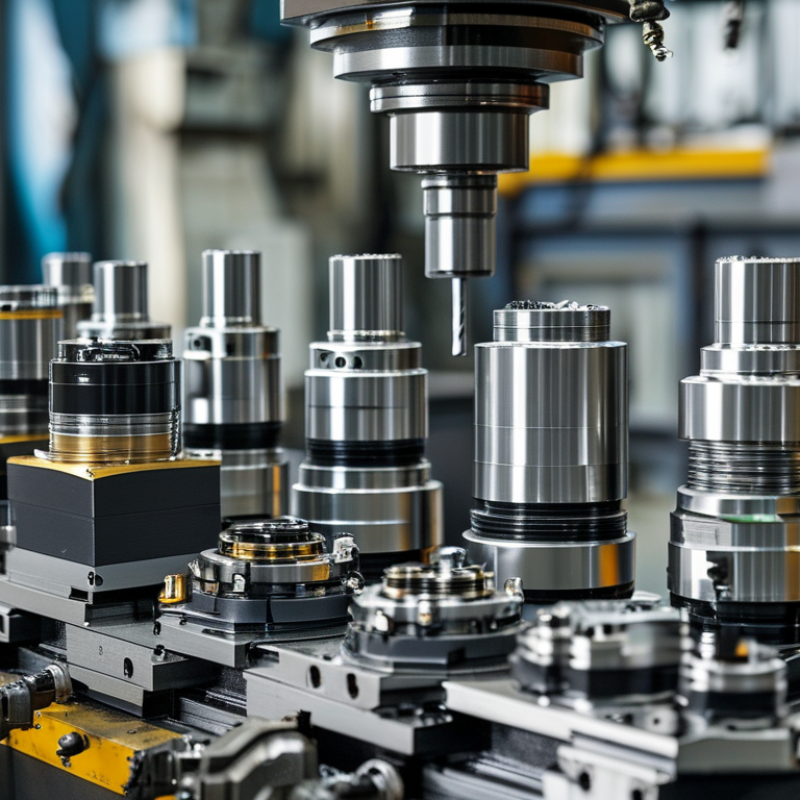
Understanding CNC Components: Key Types and Their Functions
CNC components play a crucial role in modern manufacturing. They enable precision and efficiency in producing various parts. Understanding these components is essential for anyone in the procurement process. Key types include spindles, drives, and controllers. Each has a specific function that directly impacts a machine's performance.
Spindles are vital for rotating tools at high speeds. They must be durable to withstand friction and heat. Drives convert electrical energy into mechanical motion, allowing for accurate positioning. Controllers serve as the brain of CNC machines, managing operations based on inputted data. These components must integrate seamlessly for optimal functionality.
Choosing the right CNC components can be challenging. Factors like compatibility and quality need careful consideration. It’s easy to overlook the importance of specific features. For instance, a low-cost spindle may not last, leading to production delays. Regular assessment of these components is vital for maintaining machine performance. Every decision in procurement impacts efficiency, costs, and ultimately, the success of your manufacturing operations.
Factors to Consider When Sourcing CNC Components Globally
When sourcing CNC components globally, several critical factors come into play. First, understanding the manufacturing capability is paramount. According to a report by MarketsandMarkets, global CNC machining market size is expected to reach over USD 100 billion by 2026. This growth can impact lead times and availability of materials. Therefore, evaluating a supplier's capacity to meet demand is essential.
Quality control stands out as another major consideration. A survey from the International Organization for Standardization (ISO) indicates that 80% of manufacturers consider quality their top priority when selecting a supplier. Ensure that vendors adhere to international standards, such as ISO 9001, to mitigate quality risks. Regular audits may seem tedious but are necessary for maintaining product integrity.
Cost is always a primary concern. With fluctuating material prices, keeping a close watch is crucial. The World Bank reported a 15% increase in raw material costs last year. It's worth exploring diverse sourcing options to find balance. However, an overt focus on cost can lead to quality sacrifices. This is a deliberate trade-off that requires careful thought to avoid future complications.
Top Suppliers of CNC Components: A Comparative Analysis
When assessing suppliers of CNC components, a comparative analysis is essential. Industry reports indicate that the global CNC market is expected to reach over $100 billion by 2025, driven by increased automation and demand for precision engineering. Key suppliers must demonstrate reliability in quality and delivery to meet this demand.
Several reports highlight that quality control is a significant issue. Around 30% of companies reported difficulties in sourcing components that met their specifications. This underlines the need for buyers to meticulously evaluate supplier certifications and track records. Understanding suppliers’ capabilities in production technology can help avoid sourcing missteps.
Additionally, geographic location can impact supplier efficiency. For example, suppliers based in regions with strong manufacturing ecosystems tend to offer better logistics. This can reduce lead times and improve supply chain stability. While online platforms provide immediate connections, traditional networking remains vital in identifying trustworthy suppliers. Balancing these resources requires effort but enhances procurement outcomes.
Quality Assurance and Certification Standards for CNC Parts
When procuring CNC components, quality assurance is essential. Certification standards play a crucial role in ensuring parts meet specific performance and safety requirements. Look for certifications like ISO 9001 and ISO 13485. These standards signify that manufacturers maintain a high level of quality management.
Tips: Always request documentation confirming certifications. This step verifies compliance and can prevent future issues.
Manufacturers must consistently adhere to these standards. Not all suppliers prioritize certification. Some may offer lower prices, but quality could be compromised. Consider the long-term implications of sourcing lower-quality parts. Poor quality can lead to failures and increased costs.
Tips: Evaluate potential suppliers' track records. Research customer reviews and testimonials for insights. A supplier's history can provide valuable information about reliability.
Top CNC Components Buyers Guide for Global Procurement
| Component Type | Material | Certification Standard | Quality Assurance Process | Typical Applications |
| CNC Machined Parts | Aluminum | ISO 9001 | In-process & Final Inspection | Aerospace, Automotive |
| CNC Turned Parts | Stainless Steel | AS9100 | Dimensional & Surface Finish Checks | Medical Devices, Robotics |
| CNC Milled Components | Titanium | ISO/TS 16949 | X-Ray & Non-Destructive Testing | Aerospace, Defense |
| CNC Wood Parts | Plywood | FSC Certification | Visual Inspection | Furniture, Crafts |
| CNC Plastic Parts | Polycarbonate | RoHS Compliance | Functionality Testing | Consumer Electronics |
Cost Management Strategies for Global Procurement of CNC Components
In global procurement of CNC components, cost management is crucial. Companies must evaluate total costs, not just unit prices. Neglecting shipping fees or tariffs can lead to budget overruns. Choosing suppliers based solely on price can be misleading. Quality and reliability often come at a higher cost but save money in the long run. Building relationships with multiple suppliers can diversify risk.
Effective negotiation strategies are essential. Understanding the market landscape helps in securing better prices. It is important to communicate clear expectations to suppliers. This prevents misunderstandings that might lead to costly delays. Companies should also analyze their purchasing patterns. Identifying trends can reveal opportunities for price negotiations.
Despite thorough planning, challenges can arise. Fluctuations in material costs may disrupt budget forecasts. Moreover, unforeseen supply chain issues can affect delivery times. Transparency with stakeholders can mitigate some of these risks. Regularly revisiting sourcing strategies is crucial for maintaining a competitive edge.





