What is a Circular Machine and How Does It Work?
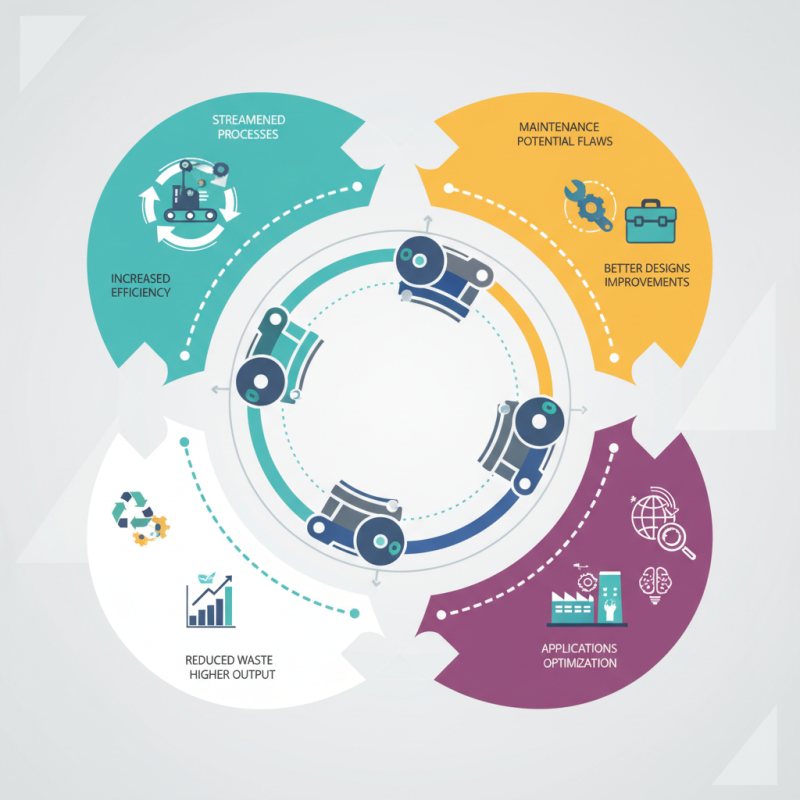
A circular machine is a fascinating innovation in various industries. These machines operate on the principle of continuous motion. They streamline processes, making them faster and more efficient.
Understanding a circular machine is crucial for anyone involved in manufacturing or production. They often reduce waste and increase output. However, not every circular machine is perfect. Some may require frequent maintenance or may not perform as expected. Identifying these flaws can lead to better designs and improvements.
In this exploration, we will uncover how circular machines function, their applications, and the challenges they pose. This knowledge is essential for professionals seeking to optimize their operations. Analyzing the intricacies of these machines can enhance both understanding and implementation.
What is a Circular Machine?
A circular machine is a fascinating device designed to perform various tasks through rotational motion. Unlike traditional linear machines, it operates efficiently in a circular path. This design allows for continuous movement, making it ideal for applications that require repetitive actions, like mixing or grinding.
These machines often utilize gears and pulleys to enhance performance. By converting linear inputs into circular outputs, they maximize energy use. However, maintaining balance and stability can be challenging. If not properly calibrated, the machine may wobble, reducing efficiency. Regular maintenance is essential to avoid breakdowns and ensure smooth operation.
Understanding a circular machine also involves recognizing its limitations. For instance, its application might be restricted in tight spaces. Additionally, noise generated during operation can be a concern in residential areas. Despite these flaws, the benefits of speed and efficiency are significant. This design continues to evolve, enhancing productivity in several industries.
The Core Components of a Circular Machine
Circular machines are intriguing devices, designed for specific tasks in various industries. At their core, these machines consist of several essential components that enable them to function effectively. One key element is the circular frame, which supports all other parts. This frame provides stability, maintaining the desired shape during operation.
Next, we have the motor, which drives the rotation of the machine. The motor’s efficiency plays a crucial role in the machine's overall performance. For example, a powerful motor can enhance speed but might consume more energy. Balancing power and efficiency can be challenging. Additionally, gears are vital for translating the motor's motion into usable work. The gear system allows for adjustments in speed and torque, impacting the machine's effectiveness.
Another important component is the control system. This regulates the machine's operations, ensuring it runs smoothly. However, troubleshooting control systems can be complex. Regular maintenance is necessary to ensure the system responds accurately. Understanding how each component interacts is essential for optimizing performance. Building expertise in these areas is valuable, as it helps to identify potential flaws or inefficiencies in the machine’s design.
How Circular Machines Operate: A Step-by-Step Process
Circular machines play a crucial role in various industries. Their design allows for continuous motion and efficiency. Understanding how they operate can provide insights into their application. The operation of a circular machine begins with a power source. This source initiates the energy transfer needed for movement.
Next, the system engages a series of gears or belts. These components align to create smooth transitions and ensure stability. As the machine operates, it often requires monitoring. Adjustments might be necessary to maintain optimal performance. Occasionally, components may wear down, requiring maintenance. Ignoring these signs can lead to inefficiencies or breakdowns.
Another key aspect involves the load capacity. Each machine has limits, and exceeding them can cause problems. Operators must be vigilant, assessing conditions regularly. Sometimes, a slight adjustment can make a significant difference. It's essential to document performance trends for future analysis and adjustments. Through this process, users can maximize the benefits of circular machines.
Applications of Circular Machines in Various Industries
Circular machines play a crucial role in various industries. They provide efficient solutions from processing to manufacturing. In the automotive sector, these machines are essential for producing components with precision. They often perform tasks like shaping metal and assembling parts, ensuring high-quality outputs.
In food processing, circular machines automate packaging and sorting. This speeds up production and maintains cleanliness. For instance, some machines can sort fruits by size and quality. They help reduce waste and improve efficiency.
Tips: When considering circular machines, assess the specific needs of your operation. Reliability is key. Additionally, regular maintenance can extend the life of the machine. Regular checks can also prevent unexpected downtimes.
In textile manufacturing, circular machines weave fabrics efficiently. Complex designs can be created quickly. However, different materials may require machine adjustments. Operators need training to manage these changes effectively.
Benefits and Challenges of Using Circular Machines
Circular machines are gaining popularity in various industries. Their design allows for efficient processing of materials. However, introducing these machines comes with both benefits and challenges.
One significant advantage is resource efficiency. Circular machines can minimize waste by reusing materials. This feature appeals to companies seeking sustainability. They also enhance production speed, leading to higher output. However, transitioning to circular systems can be complex. Companies often face initial resistance and require time to adjust processes.
On the other hand, there are technical challenges. Maintenance can be more intricate due to the machine's design. Users may lack the necessary expertise to handle repairs. Additionally, not all materials are suitable for circular processing. Companies may need to rethink their supply chains. Despite these hurdles, many see the long-term value in adopting circular machines.
Benefits of Circular Machines
This bar chart illustrates various benefits of circular machines as rated from 1 to 10, covering aspects like efficiency, sustainability, cost-effectiveness, versatility, and maintenance. Such data can help assess the overall advantages of circular machines in different applications.