China Top Beans Sorting Machine Suppliers How to Choose?
China has become a major manufacturing base for food-processing equipment, including the Beans Sorting Machine. Its suppliers serve bean processors, exporters, and agricultural cooperatives across Asia, Africa, Europe, and Latin America. However, supplier choice should not depend on price alone.
The Food and Agriculture Organization reports that global pulse production remains close to 100 million tonnes annually. This volume increases pressure on processors to remove stones, damaged beans, discoloration, and foreign materials efficiently. Meanwhile, MarketsandMarkets identifies automation, sensor technology, and quality control as major drivers in the global food-sorting equipment market. These trends make optical performance, production capacity, and after-sales support important purchasing criteria.
“The future is about using technology to make the world more sustainable,” said Stefan Ranstrand, former president and CEO of TOMRA. His observation applies directly to bean processing. Better sorting can reduce product waste, improve consistency, and protect a processor’s reputation. Still, technology alone is not enough.
A reliable Chinese supplier should provide test reports, sample-sorting results, warranty terms, spare-parts availability, and operator training. Ask to inspect the camera system, ejector response, software interface, and cleaning access. Small details matter. Dusty lenses can reduce accuracy.
Supplier claims also require verification. A catalogue may show impressive capacity, yet real performance can change with bean variety, moisture, surface damage, and impurity levels. Buyers should send representative samples before signing a contract. Even this step is sometimes overlooked. This guide examines China’s top Beans Sorting Machine suppliers and explains how to compare their technology, service reliability, certifications, and total operating cost.
What Is a Bean Sorting Machine and How Does It Work?
China Top Beans Sorting Machine Suppliers: How to Choose?
What Is a Bean Sorting Machine and How Does It Work?
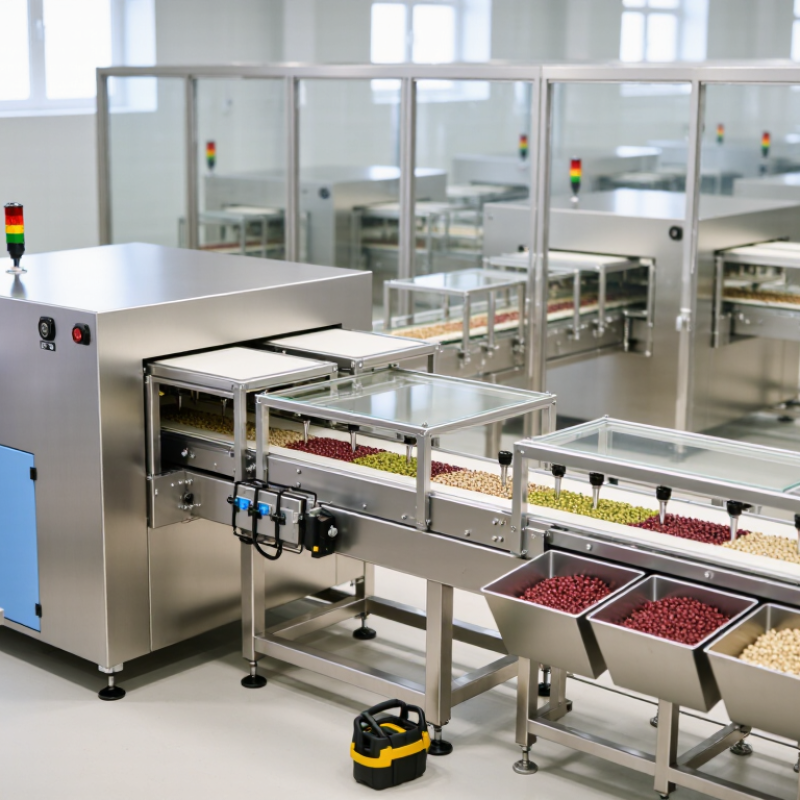
A bean sorting machine uses cameras, lighting, air jets, and software to remove unwanted beans. It inspects color, shape, size, and surface defects while beans move through a narrow channel. Clean beans pass forward. Dark, broken, mold-damaged, or foreign pieces receive a short air blast into a separate outlet.
In practical use, calibration matters as much as the camera. I have found that dusty lenses can create false rejections within minutes. Operators should check sample beans, belt speed, air pressure, and rejection accuracy before production starts. Ask suppliers for test videos using your actual crop. A machine tested only with polished samples may perform differently with uneven, moisture-variable beans. Small details matter.
A reliable supplier should explain sensor resolution, processing capacity, spare parts, software updates, and operator training. Request a written acceptance standard, not only attractive photos. Sorting results depend on bean variety, moisture, lighting, and defect definitions. No system is perfect. Over-sorting can waste good beans, while weak settings may leave defects behind. That trade-off deserves measured testing. A local service plan and accessible technical support can reduce downtime during harvest. Choose evidence over promises.
Which Bean Sorting Requirements Should Buyers Define First?
China Top Beans Sorting Machine Suppliers: How to Choose?
Buyers should define bean quality targets before comparing sorting machines. Specify bean type, moisture range, throughput, and acceptable defect levels. A factory handling 5 tonnes per hour needs different equipment from a small processor. FAOSTAT’s 2023 database records global dry-pulse production at roughly 150 million tonnes, showing the scale and variety of this market. However, production volume alone does not determine sorting difficulty.
List the defects clearly. Include stones, stems, insect damage, discoloration, shriveled beans, broken kernels, and foreign seeds. State their size, color, frequency, and removal priority. USDA grading standards can help buyers describe damaged beans with measurable tolerances. Optical sorting also depends on contrast. Dark defects on pale beans are easier to detect than slight color changes within one variety. Moisture matters too. Wet or dusty beans may reduce feeding stability and recognition accuracy.
Define the result you can verify. Ask suppliers to test representative samples, not perfect showroom beans. Require records for accuracy, accept-and-reject rates, capacity, air consumption, and false rejection. FAO’s Food Loss Index reports that 13.2% of food was lost globally before retail in 2021, so unnecessary rejection deserves attention. A higher removal rate is not always better. It may waste saleable beans. I would also inspect cleaning access, software adjustment, operator training, and spare-part support. A polished sample can mislead. Real samples reveal more.
China Top Bean Sorting Machine Suppliers: Which Requirements Should Buyers Define First?
Before comparing suppliers, buyers should define the measurable performance targets that affect machine selection. The chart shows commonly specified reference targets for commercial bean sorting projects. Actual values vary by bean variety, incoming quality, moisture, and contamination level.
Buyers should confirm the raw material type, required throughput, defect categories, acceptable reject rate, sorting accuracy, and good-bean recovery before requesting quotations or testing samples.
What Machine Features, Quality Standards, and Services Matter Most?
Choosing a bean sorting machine requires more than comparing hourly capacity. In real processing rooms, dust, uneven bean sizes, and changing moisture levels challenge every machine. Look for optical sensors with adjustable color, size, and shape settings. Ejector response must be fast, yet gentle enough to avoid unnecessary bean loss. A clear touchscreen helps operators adjust settings during busy shifts. Ask for test results using your own bean varieties, not only laboratory samples. That distinction matters.
Quality depends on measurable controls. Check stainless-steel contact surfaces, stable air pressure, sensor calibration records, and documented inspection procedures. A reliable supplier should provide sample reports, electrical safety details, and performance data under defined conditions. Food-contact materials should meet applicable local standards. Do not accept vague claims. Request a demonstration and measure reject accuracy, good-product loss, and output consistency. These figures may reveal weaknesses hidden by attractive capacity numbers. Installation training, spare parts, remote diagnostics, and response times also affect long-term value.
Tips: Bring representative samples, including broken, discolored, and mixed-size beans. Ask how often calibration is needed and who performs it. Confirm warranty limits in writing. If possible, visit a working installation and speak with its operators. Their comments may be less polished, but more useful. One overlooked issue is cleaning time. Ask for a timed cleaning demonstration. I would also leave room for uncertainty. Early test results can change after months of dust exposure.
How to Compare Quotes and Select the Right Supplier?
When comparing bean sorting machine quotes, do not place the lowest price at the center. A quote should identify throughput, sorting accuracy, reject rate, power demand, and included accessories. Ask whether capacity is measured with your bean variety and moisture level. Numbers can look impressive. Test conditions may differ. Request a recorded trial using your own cleaned and uncleaned samples. Check sample weight, defect types, and final bean quality.
A reliable supplier explains the optical system, air consumption, software controls, and maintenance schedule clearly. Ask for a line-by-line quote. It should separate machine cost, shipping, installation, training, taxes, spare parts, and service fees. Compare warranty duration and response time, not only warranty wording. A cheap quote can become expensive when a valve or lamp fails during harvest. Request references from processors with similar capacity. Then contact them directly. One reference is not enough.
Before selecting, score each supplier against fixed criteria: sorting results, ownership cost, delivery date, operator training, and technical support. Invite shortlisted suppliers to answer identical questions. This keeps comparisons fairer. Inspect factory test records and verify relevant electrical and safety documents for your market. Some buyers overlook dust control and cleaning access. That mistake affects uptime. Leave room for doubt. A polished presentation cannot replace a sample test, detailed contract, and realistic after-sales plan. During evaluation, record every promise in writing, including response times and replacement-part availability.





