How to Choose the Right Well Pipe for Your Needs?
Choosing the right Well Pipe is crucial for effective water management. Over 15 million households in the U.S. rely on private wells, according to the U.S. Geological Survey. Selecting an appropriate well pipe ensures the longevity and efficiency of water supply systems. In the well drilling industry, experts recommend considering pipe material, diameter, and depth.
PVC, steel, and fibreglass are common materials for well pipes. Each material offers unique strength and durability. For instance, steel is robust but can corrode over time. PVC is lighter but may not withstand certain pressures. A comprehensive analysis from the American Water Works Association suggests that using the wrong material can lead to costly repairs.
Drilling depths also significantly affect pipe choice. The American Ground Water Trust indicates that deeper wells may require sturdier pipes. Notably, choosing the right pipe can mean the difference between a reliable water supply and unexpected failures. Understanding these factors empowers homeowners to make informed decisions. This process requires careful consideration and awareness of potential pitfalls.
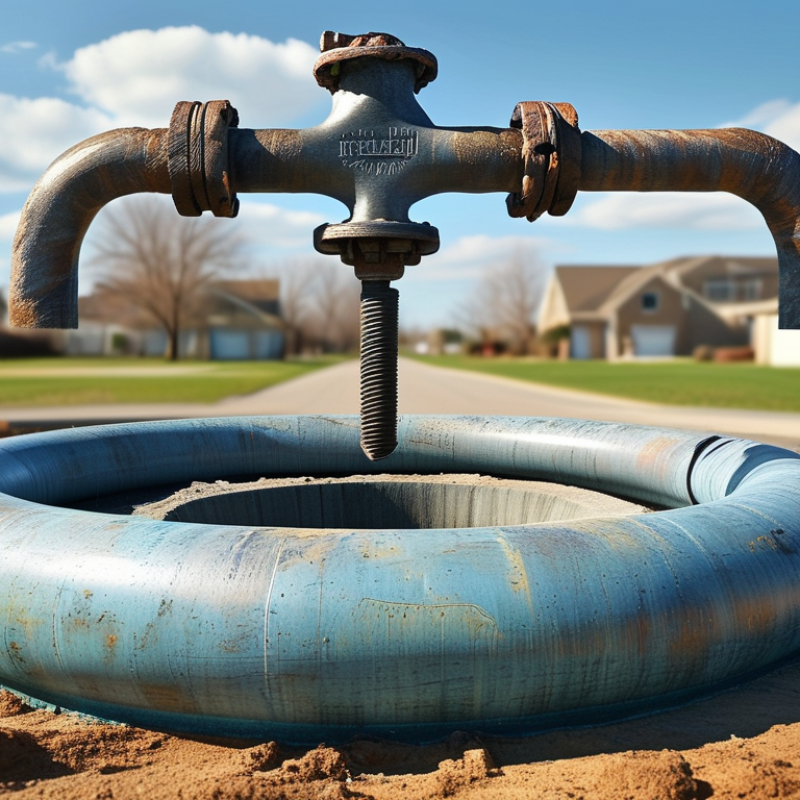
Understanding the Types of Well Pipes Available on the Market
When selecting well pipes, understanding their types is crucial. Steel, PVC, and HDPE are among the most common materials. Each has unique advantages and limitations. Steel pipes are strong but prone to corrosion. PVC pipes are lightweight and resistant to chemicals. However, they may not withstand high pressure. Lastly, HDPE pipes offer flexibility and durability but can be affected by UV exposure.
Industry studies show that over 60% of new wells utilize PVC pipes due to cost-effectiveness. However, choices should align with your specific conditions. The well depth, soil type, and water quality play roles in pipe selection. For deeper wells, the strength of steel might be a significant factor. Conversely, shallower wells with stable conditions may suffice with PVC or HDPE options.
Investing in the right well pipe is essential for long-term performance. Relying solely on initial cost can be misleading. Over 30% of well failures are linked to poor material choice. Property owners must weigh upfront costs against future reliability. Always review local water regulations and consult professionals when in doubt. The right well pipe is more than just a purchase; it's an integral aspect of water sustainability.
Evaluating Material Options for Well Pipes: Pros and Cons
Choosing the right material for your well pipe is crucial. Each material has unique characteristics. It's essential to evaluate these before making a decision.
PVC pipes are lightweight and resistant to corrosion. They’re also cost-effective, which is appealing for many homeowners. However, they may not withstand high temperatures well. They are also not suitable for every type of soil.
Steel pipes offer strength and durability. They work well in rocky conditions and can handle high pressure. Yet, they are susceptible to rust. Maintenance costs can add up over time. Meanwhile, copper pipes are another option. They resist corrosion and boast longevity. However, their higher cost can be a barrier for some users.
Considering these factors is essential for a sustainable solution. Each option requires reflection on specific site conditions and long-term needs. Making an informed choice will enhance the well’s functionality and durability.
How to Choose the Right Well Pipe for Your Needs?
| Material | Pros | Cons | Typical Use |
| PVC | Lightweight, corrosion-resistant, easy to install | Not suitable for high temperatures, can be brittle | Shallow wells and low-pressure applications |
| Steel | Very strong, can handle high pressure, durable | Corrosive unless coated, heavier | Deep wells and high-pressure applications |
| Copper | Corrosion-resistant, long-lasting, good heat conductor | Expensive, can be affected by acidic water | Residential applications and specific environments |
| Stainless Steel | Highly resistant to corrosion, very durable | Costly, can be heavy | Various applications, especially where corrosion is a problem |
Determining the Appropriate Diameter for Your Well Pipe Needs
Choosing the right diameter for your well pipe is crucial. The diameter affects flow rate, pressure, and overall efficiency. A wider pipe can deliver more water, but it may not be necessary for all applications. You must assess your specific needs carefully.
When selecting pipe diameter, consider your water demand. Calculate how much water you need per minute. If you have high water usage, a larger diameter pipe is typically better. However, oversizing may lead to increased costs without significant benefits.
Tips: Always consult with an expert before making decisions. They can provide insights based on your local water table and well depth.
Another factor is the distance from the well to your water source. A longer distance may require larger diameters to maintain pressure. Be cautious with your assumptions. Not all wells are the same, so what works for one may not work for another.
Keep in mind that a well pipe can be a long-term investment. Take time to reflect on your current and future needs. Your choice affects not just you but also those who rely on the water supply.
Assessing Depth and Pressure Considerations for Well Installation
Assessing depth and pressure are critical when selecting a well pipe. The depth of your well determines the type of pipe needed. Shallow wells may require PVC pipes, while deeper wells often need stainless steel or carbon steel pipes. Deeper installations face higher water pressure. Therefore, choosing the right material becomes crucial. A miscalculation can lead to failure and costly repairs.
Pressure considerations are equally important. High pressure can cause pipes to burst if they aren’t rated correctly. Always check local guidelines for pressure ratings. Testing water pressure before installation helps in making an informed choice. It’s not unusual for well owners to overlook these factors. Neglecting them can result in inadequate performance. Ensuring the pipe can withstand the specific depth and pressure is essential.
Consider local water conditions, as they can affect pipe longevity. Corrosive environments can lead to premature failures. Regular maintenance and inspections can aid in avoiding such issues. Remember that the wrong pipe selection could lead to serious problems down the line. Taking time to assess these factors saves trouble later.
Considering Local Regulations and Guidelines for Well Pipe Selection
When selecting a well pipe, it's crucial to consider local regulations. These regulations vary by region and often dictate the materials used, pipe diameters, and installation techniques. Understanding these guidelines can help prevent costly mistakes. Always check with local agencies to ensure compliance with regulations.
Local regulations often focus on safety and environmental impact. Some areas restrict certain materials due to contamination risks. For example, PVC pipes may be banned in some regions due to chemical leaching. It's important to know these details. A wrong choice could lead to fines or the need for costly replacements.
Furthermore, local guidelines often evolve. Staying updated on changes is essential. Joining local associations or attending workshops can provide valuable insights. Engaging with experts offers additional resources. A well-informed decision will lead to a more efficient well installation and long-term functionality.





