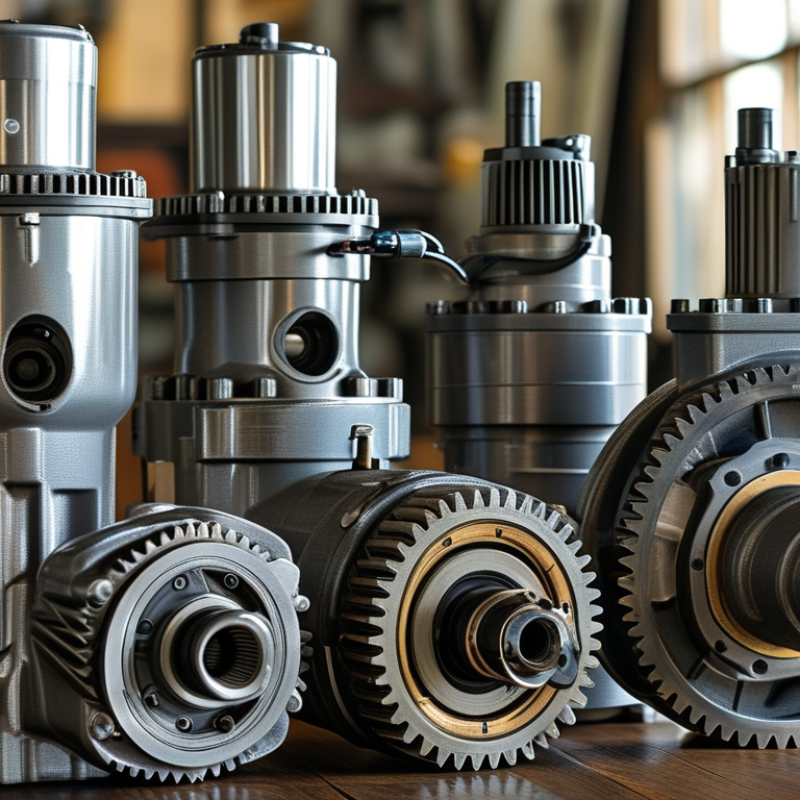
How to Choose the Right Variable Speed Gear Pump for Your Needs?
Choosing the right Variable Speed Gear Pump is crucial for optimal performance. These pumps offer flexibility in flow control, making them ideal for various applications. Understanding their features and specifications can significantly enhance your operation's efficiency.
When evaluating a Variable Speed Gear Pump, consider your specific needs. Factors such as viscosity, pressure requirements, and fluid type play essential roles in determining the best fit. Additionally, the pump’s material and design can affect its longevity and reliability in demanding conditions.
It's important to recognize that not all pumps will meet every requirement perfectly. Balancing performance and cost is a common challenge. By conducting thorough research and consulting with experts, you can avoid costly mistakes. Ultimately, the right Variable Speed Gear Pump will enhance productivity and ensure smooth operations in your application.
Understanding Variable Speed Gear Pumps: Basics and Applications
Variable speed gear pumps play a crucial role in various industrial applications, enhancing efficiency and precision. Understanding their basics involves grasping how they adjust flow rates seamlessly. These pumps use gears to create a vacuum, drawing fluid into the pump chamber. The variable speed feature allows operators to control the flow, which is essential in applications like chemical processing and food production.
Selecting the right variable speed gear pump requires a solid understanding of your needs. Factors such as fluid viscosity, temperature, and system pressure must be considered. Not every pump can handle all types of fluids effectively. For example, highly viscous materials may require pumps specifically designed to manage thicker substances. One must also think about the pump's maintenance needs. Regular upkeep is vital to ensure long-lasting performance.
Sometimes, manufacturers overlook the importance of compatibility. A pump might perform well but falter in application due to improper integration with existing systems. It's essential to prioritize compatibility with other equipment and factors like the drive system. Exploring these details can help avoid costly mistakes and ensure a more reliable operation. Keep in mind that not all pumps are equal, so thorough research and expert advice can prove invaluable.
Key Factors to Consider When Selecting a Variable Speed Gear Pump
Choosing the right variable speed gear pump involves several key factors. One crucial aspect is flow rate, which is often measured in gallons per minute (GPM). According to the Pump Industry Metrics Report, optimal flow rates for industrial applications can vary widely, typically ranging from 10 to 100 GPM. Selecting a pump that fits within your specific flow requirements ensures efficiency and reliability in operations.
Another important factor to consider is the viscosity of the fluid being pumped. Gear pumps excel in handling various viscosities, but each model has limits. For example, pumps designed for low-viscosity fluids might struggle with thick liquids, leading to performance issues and potential damage. Assessing the viscosity of your application helps in making an informed decision about the pump type.
Tip: Always review the materials of construction for the pump. Compatibility with the fluid is essential to prevent failures.
Keep in mind the operating temperature and pressure within your system. Variables such as ambient conditions can impact pump selection significantly. While some pumps can withstand higher temperatures, not all are suitable for extreme pressures. Analyzing these conditions thoroughly may reveal the need for additional safety features or upgrades.
Tip: Regular maintenance schedules can prevent unexpected breakdowns. Establish a routine that includes inspection for wear and tear.
Performance Metrics: GPM, PSI, and Efficiency Ratios
When selecting a variable speed gear pump, performance metrics like gallons per minute (GPM) and pounds per square inch (PSI) are crucial. GPM measures flow rate; it tells you how much fluid the pump can move. If your application demands high flow, look for a pump with a higher GPM. However, remember that a high GPM does not guarantee efficiency.
PSI drives the pressure in your system. It determines how effectively the fluid moves through pipes and machinery. A pump with low PSI may not maintain adequate pressure, causing operational issues. Balancing GPM and PSI is essential. Efficiency ratios can help here. They reveal how effectively the pump converts energy into flow and pressure.
Evaluating these metrics can be challenging. A common mistake is overemphasizing one number without considering others. It’s easy to assume higher numbers mean better performance. But each application is unique. What works well for one situation may not for another. Reflect on your requirements before making a decision.
Material Compatibility and Its Importance in Pump Selection
When selecting a variable speed gear pump, material compatibility is crucial. An incompatible material can lead to pump failure, affecting system performance and safety. For instance, according to industry studies, about 30% of pump failures occur due to material-related issues. Understanding the chemical properties of your fluid and pump materials can prevent costly downtime.
Different materials withstand various chemicals. For example, stainless steel is excellent for water and oil, while polypropylene is ideal for aggressive acids. Choosing the right material can increase the longevity of your pump and reduce maintenance costs. The right match protects against corrosion and wear, ensuring reliability in demanding environments.
Tips: Always consult technical datasheets for compatibility information. Conduct thorough testing when possible. Don't underestimate the importance of seals and gaskets; they play a significant role in overall compatibility.
Regular maintenance can highlight potential issues early. Keep an eye on performance metrics. If changes occur, reassess the compatibility of your pump materials to avoid unexpected failures.
Cost Analysis: Balancing Quality and Budget for Gear Pumps
When selecting a variable speed gear pump, cost is a significant concern. Balancing quality and budget requires careful consideration. Lower-priced options might seem attractive, but they can lead to increased maintenance costs. Assessing the total cost of ownership is vital. A cheaper pump can mean higher operational costs over time. Think about the long-term implications of your choice.
Quality is paramount for efficiency. High-quality pumps often come with better materials and construction. This can result in improved reliability and reduced downtime. However, premium-quality pumps require a larger upfront investment. Be prepared to analyze your specific application needs. Sometimes, investing more initially can save money later.
Consider the operating environment as well. Pumps used in harsh conditions may require more robust features. These features could increase the upfront cost but provide significant savings in repairs and replacements. It is also important to evaluate your expected performance. Sometimes the most expensive option is not necessary. Finding the right balance involves evaluating all these factors closely. Reflect on your priorities before making a decision.