How to Choose the Right Turbo Radiator for Your Vehicle?
Choosing the right Turbo Radiator is not just a matter of finding one that fits beneath the hood. It must also manage the heat your engine creates, especially during towing, long climbs, or stop-and-go traffic. A radiator that looks correct online may have different mounting points, hose connections, or core dimensions. Small differences matter.
A fictional composite cooling-systems specialist, Jordan Lee, offers this editorially created reminder: “Match the radiator to the vehicle’s cooling demands, not just its dimensions.” It is a useful principle, though not a sourced quotation. Begin with your vehicle’s year, make, model, engine, and turbo configuration. Then compare the radiator’s core size, construction, pressure rating, and compatibility with the cooling fan and shroud. Check the manufacturer’s fitment notes, too.
Details matter. A few millimeters can complicate installation. A radiator with insufficient cooling capacity may struggle when the turbocharged engine is working hard. Yet choosing the largest available unit is not automatically wiser; airflow, packaging, and system compatibility still count. Even careful buyers can miss a trim-level difference, so verify the part number before ordering. That extra check is worthwhile.
This guide explains how to assess fit, materials, cooling performance, and manufacturer information before choosing a Turbo Radiator. It also points out where product claims deserve closer scrutiny. There is no universal best option. Your vehicle’s specifications and driving conditions should lead the decision.
What a Turbo Radiator Does in a Turbocharged Vehicle
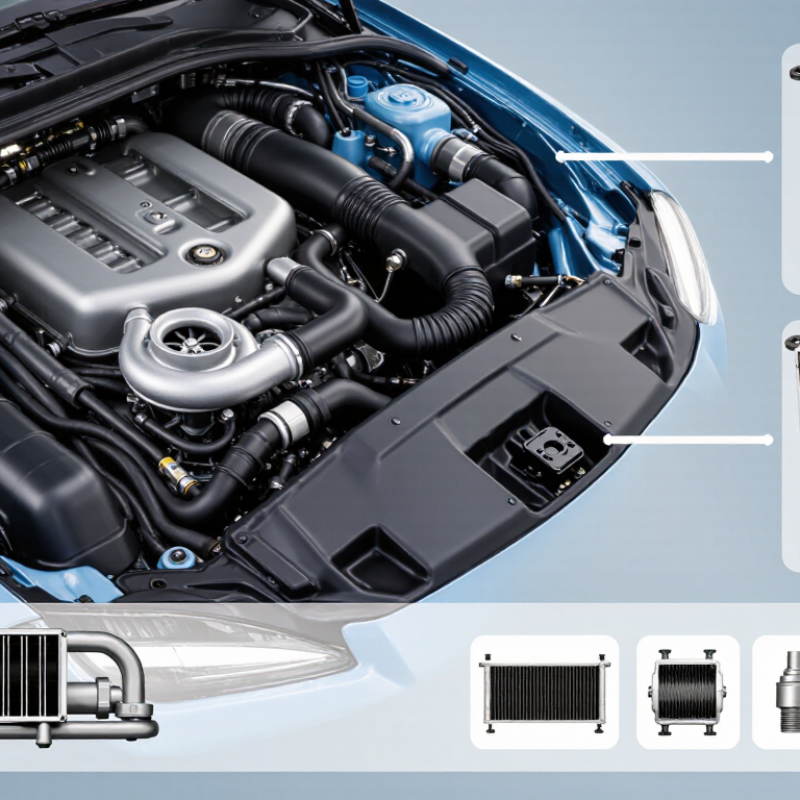
In a turbocharged vehicle, the radiator carries heat away from engine coolant. A fan and moving air pass through its narrow fins, helping the engine maintain a stable operating temperature. The intercooler has a different job: it cools compressed intake air before that air enters the engine. Easy to confuse.
Turbocharging adds heat because the turbo compresses incoming air, while its turbine is driven by hot exhaust. The U.S. EPA and NHTSA’s 2016 Draft Technical Assessment Report modeled roughly 5–10% fuel-consumption savings for turbocharging paired with engine downsizing, with results varying by configuration. That figure concerns fuel use, not radiator performance. Still, it shows why turbocharged engines need cooling systems matched to their design and load.
A suitable radiator must shed heat without restricting coolant flow or airflow. Check the vehicle’s specified cooling capacity, core dimensions, hose connections, and fan compatibility; a larger core alone is not proof of better cooling. In real driving, a long hill with the air conditioning running can expose a weak system quickly. Watch for rising temperature readings, coolant loss, or repeated fan operation.
A radiator cannot fix a clogged intercooler or a failing thermostat. The distinction matters.
How to Check Vehicle Compatibility and Radiator Specifications
Start with the vehicle’s exact year, model, engine, and trim. A turbocharged version may use a different radiator from a similar non-turbo model. Check the owner’s manual or a reliable parts catalog, and confirm fitment using the vehicle identification number when possible. Small details matter. Compare the radiator’s core height, width, and thickness with the space behind the grille.
Next, inspect the connection points. Inlet and outlet positions, hose-neck diameters, mounting tabs, and fan-shroud clearance must match the vehicle. Check whether the radiator includes a transmission-fluid cooler, if your vehicle requires one. Also verify the pressure-cap rating and coolant requirements against the service information. Measure twice. A radiator that looks close can still leave a hose kinked or a fan rubbing against the shroud.
Material and cooling capacity matter, but bigger is not automatically better. Choose a unit specified for your engine and typical driving conditions, rather than relying on appearance alone. Before ordering, compare the old radiator’s fittings and mounting points with the specification sheet; photos can hide important differences. I would also check for blocked airflow, a weak fan, or a faulty thermostat. A new radiator may not fix overheating caused elsewhere.
How to Compare Radiator Materials, Core Designs, and Cooling Capacity
Choosing a turbo radiator starts with fitment, not the largest core you can find. Check the vehicle’s mounting points, hose locations, fan clearance, and overall dimensions. A thicker radiator may look reassuring, but it can restrict airflow if the fan and shroud sit too close. Measure carefully.
Aluminum cores are light and commonly use wide tubes with dense fins. Their performance depends on construction and airflow, not material alone. Copper-brass can transfer heat effectively and may be easier to repair in some shops, but it is heavier. Core design matters. Compare tube width, fin spacing, row layout, and frontal area. Closely packed fins can shed heat well, yet collect debris or impede airflow in dusty conditions.
Cooling capacity should suit the whole setup: engine output, boost level, traffic, towing, and local summer temperatures. Look for credible test data or clear capacity specifications, and compare them with your vehicle’s cooling needs. A larger core is not automatically better. Check fan performance, coolant flow, and intercooler placement too; restricted airflow can undermine an upgraded radiator. I find radiator comparisons imperfect when sellers use different test conditions. Treat headline capacity as a starting point, then confirm fitment and installation details with a qualified technician.
How to Choose Radiator Features for Your Driving Conditions
Choose a turbo radiator around your real driving conditions, not just the vehicle’s catalog description. Stop-and-go traffic, steep climbs, towing, and hot weather keep the engine working hard with limited airflow. A thicker core may help, but it can also restrict airflow if the fan and shroud are poorly matched. Fit matters. Check the radiator’s dimensions, hose positions, pressure rating, and compatibility with the specified coolant.
The U.S. Department of Energy’s “Where the Energy Goes: Gasoline Vehicles” estimates that roughly 12–30% of fuel energy reaches the wheels. Much of the remaining energy is lost through the engine and other systems, so effective heat management matters. For turbocharged vehicles, remember that the radiator cools engine coolant; a separate intercooler typically manages compressed intake air. Choose radiator materials and core capacity suited to the vehicle’s cooling system, and verify requirements against the service manual. Bigger is not automatically better—a mismatch can create installation or airflow problems.
Tips: If you tow or crawl through summer traffic, look for a radiator designed for sustained heat loads. Check fan clearance and coolant specification before buying. After installation, monitor the temperature gauge during a familiar drive; one short test may not reveal every issue.
How to Verify Fitment and Installation Requirements Before Buying
Choosing the right turbo radiator starts with exact vehicle details. Confirm the model year, engine size, trim, and turbo configuration. Similar vehicles may use different radiator layouts. Cross-check the listed part number against your vehicle’s service information, then compare the radiator’s height, width, thickness, inlet and outlet positions, mounting tabs, and cooler ports. A tape measure helps, but it cannot confirm every connection.
Tips: Photograph the old radiator before removal. Compare hose angles, fan-shroud mounts, and sensor or cooler connections. Check the manufacturer’s fitment notes, too. Small differences matter.
Before buying, review the installation requirements. Confirm whether the existing fan assembly, hoses, seals, and mounting hardware can be reused. Look for instructions on coolant type, bleeding air, and any required adapters. During installation, the radiator should sit squarely, and hoses should connect without twisting or pulling. Never open a hot cooling system. After filling it, check for leaks and monitor the temperature during a short, careful test drive. One detail is easy to overlook: a radiator can match the vehicle listing yet still differ at a connection point, so compare the actual part whenever possible.





