How to Choose the Right Transformer Substation for Your Needs?
Choosing the right Transformer Substation can greatly impact efficiency and reliability in power distribution. Expert John Peterson, a leading consultant in electrical engineering, emphasizes, "Selecting the appropriate Transformer Substation is crucial for optimal energy management." This statement underlines the importance of informed decisions in this sector.
Transformer Substations come in various sizes and specifications. Each serves a unique purpose based on the specific needs of a project. For instance, a large industrial facility may require a high-capacity Transformer Substation to support significant energy demand. Understanding these needs is essential. An inadequate choice can lead to inefficiencies or operational delays.
When evaluating options, consider factors such as location, load requirements, and future scalability. Each decision should reflect a deep understanding of both current and future electrical needs. Ultimately, the right Transformer Substation will not only support existing infrastructure but also adapt to evolving demands. Taking the time to reflect on these factors can lead to long-lasting benefits.
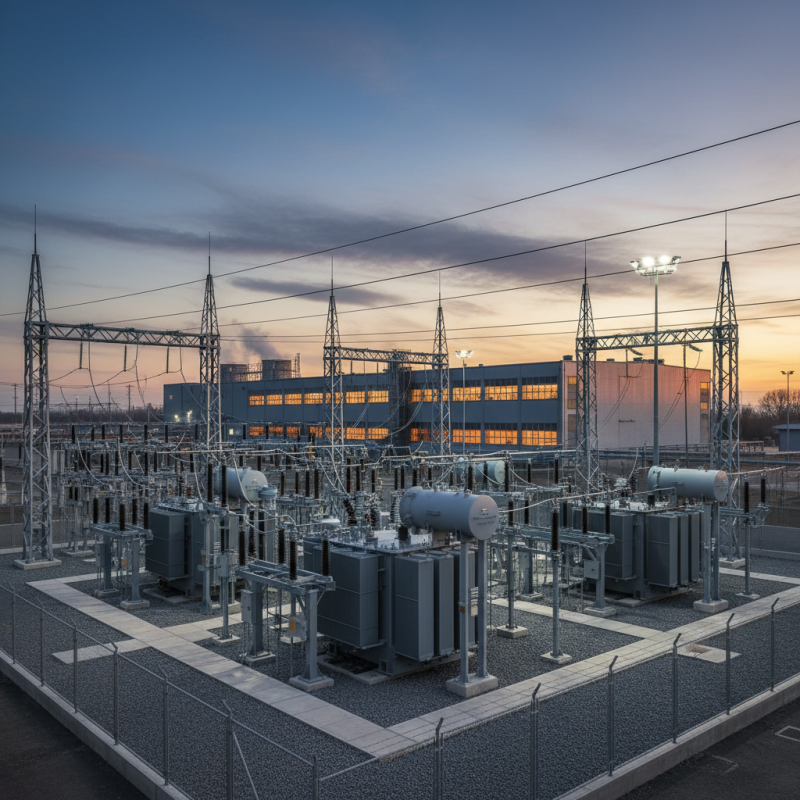
Factors to Consider When Selecting a Transformer Substation
When selecting a transformer substation, several important factors come into play. The capacity rating is crucial. You need to determine how much load your application requires. This ensures your substation can handle the power needs. Calculating future growth is vital, as underestimating can lead to inefficiencies.
Another consideration is the location of the substation. It should be accessible but not intrusive. This helps in maintenance and reduces electric losses. Additionally, environmental factors cannot be ignored. Different settings may require different designs to withstand weather impacts.
Safety standards play an essential role too. Always check local regulations before installation. Compliance with them reflects your commitment to safety. Inadequate planning can lead to costly mistakes. It’s wise to involve experts who can provide insight on these decisions. Ultimately, making an informed choice ensures smooth operation for years to come.
Understanding Different Types of Transformer Substations and Their Uses
When choosing a transformer substation, understanding the different types is crucial. Each type has unique applications. For instance, a pole-mounted transformer is common in residential areas. It efficiently steps down voltage and occupies less space. On the other hand, a ground-mounted substation can handle larger loads and is suitable for industrial applications. Consider your specific needs carefully.
Tips: Assess your available space before deciding. A compact substation may fit better in limited areas.
Another type is the mobile transformer substation. This option is versatile, useful in emergencies or for temporary setups. It allows for quick deployment and provides flexibility in various locations. However, reliance on mobile units may limit long-term capacity planning.
Tips: Evaluate how your load might change. Choose a transformer that can adapt to future demands. This foresight can save costs in the long run.
Understanding the distinct uses of each transformer substation type is vital. Many users overlook their specific needs and go for the standard option. This can lead to inefficiencies. Carefully match your requirements with the right type of transformer substation.
Assessing Load Demand and Capacity Requirements for Your Substation
When selecting a transformer substation, understanding load demand and capacity is crucial. Start by assessing the expected load in your area. Consider seasonal variations and peak demand times. This will help in sizing the substation effectively. A well-sized substation ensures that power supply meets demand without excessive strain.
Tips: Take note of future growth. Anticipating changes can save resources later. Always involve electrical engineers in the planning phase. Their expertise is invaluable.
Capacity requirements must reflect both current and future needs. Use data from existing infrastructure to guide your decisions. This helps in avoiding underperformance or costly upgrades. Scalability is essential; if your demands rise unexpectedly, your substation should be ready.
Tips: Consider redundancy in design. It’s wise to prepare for potential failures. Backup systems can offer a safety net during peak load times. Regular assessments of load patterns also allow for timely adjustments.
Evaluating Location and Environmental Impact for Substation Placement
When evaluating the placement of a transformer substation, location is crucial. Proximity to existing infrastructure can lower installation costs. Choosing a site near power lines or roads can streamline operations. However, accessibility should not compromise safety or environmental impact.
Conduct a thorough environmental impact assessment. Factors include air quality, noise levels, and local wildlife. The presence of residential areas nearby raises concerns. Analyzing soil and water conditions is also vital. These factors will shape the substation's design and operational protocols.
Engaging with local communities is essential. Public acceptance can influence project success. Open discussions about potential impacts can foster trust. Transparency about construction and operational plans builds confidence. Avoiding neglect of community concerns is a mistake often seen in similar projects.
Cost Analysis and Budgeting for Transformer Substation Construction
When planning a transformer substation, budget considerations are critical. The total cost can vary significantly. On average, constructing a transformer substation can range from $500,000 to over $3 million. This wide range depends on several factors such as location, capacity, and required technology. A well-planned budget must account for both initial construction costs and ongoing operational expenses.
Energy reports indicate that around 30% of the project budget should be dedicated to infrastructure. This includes land acquisition and civil work. Factors like local regulations and site conditions can lead to unexpected expenses. Often, projects exceed budget due to these overlooked details. Therefore, engaging experienced professionals during the planning phase can mitigate risks.
In addition to construction costs, consider maintenance and upgrade expenses. Maintenance typically consumes 2-5% of the total investment annually. This often manifests as costs for inspections, repairs, and replacements. The focus should also be on future scalability. A future-proof design might require a higher initial investment but can save costs in the long run. Many businesses find that planning for expansion can prevent large expenses later. Balancing cost and functionality is an ongoing challenge in transformer substation projects.
Cost Analysis for Transformer Substation Construction
This bar chart illustrates the estimated costs involved in the construction of a transformer substation, detailing critical components such as equipment, installation, site preparation, permits, and contingency expenses.





