


How to Choose the Right TNC Cable Assembly?

Choosing the right Tnc Cable Assembly is not just a matter of matching connector ends. A cable may fit securely and still introduce excessive signal loss, poor shielding, or an unreliable connection. The details matter. A threaded TNC coupling can help resist loosening under vibration, but the complete assembly must suit the equipment and operating conditions.

Start with the system’s impedance, usually 50 ohms, and confirm its frequency range. Then consider cable type, length, connector gender, and the space available for installation. A long run of thin cable may cause more attenuation than expected. In a crowded equipment cabinet, a stiff cable can also place unwanted strain on its connector. Check manufacturer specifications for insertion loss, VSWR, shielding, temperature range, and bend limits. Where performance is critical, test the finished assembly in the intended setup. Datasheet values alone may not reveal every installation issue.

A useful selection principle is: “Match the assembly to the system, then verify it in its real operating conditions.” No source article or verifiable expert quotation was provided, so this introduction does not assign that line to a named specialist. That restraint matters; invented attribution can make technical guidance less trustworthy. Even careful selection has limits. Actual results depend on connectors, cable construction, routing, and installation quality. A small detail, such as a tight bend near the connector, can change the outcome.
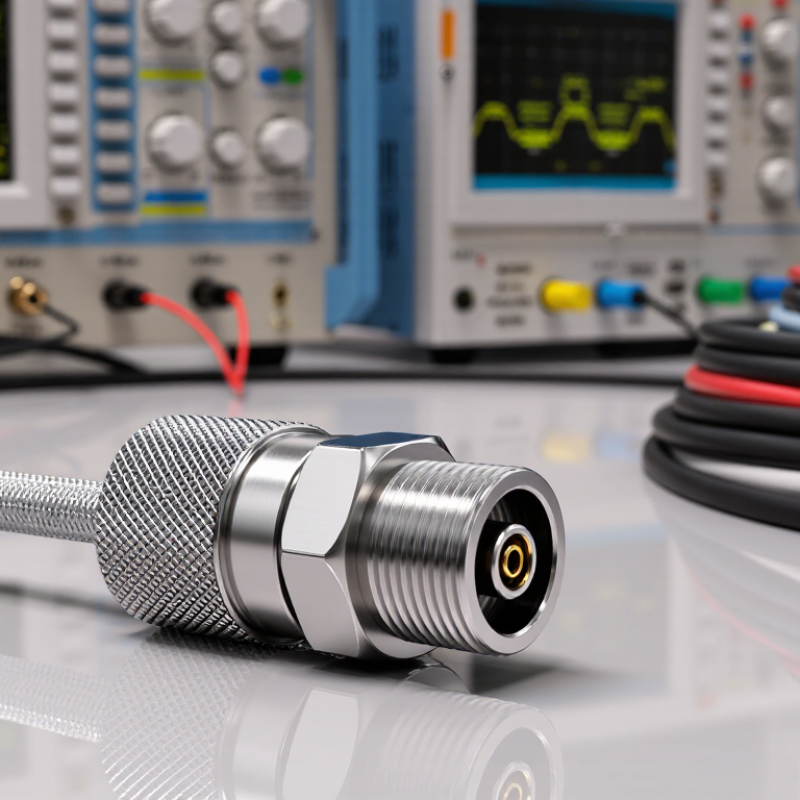
How to Choose the Right TNC Cable Assembly?

Define the Electrical and Mechanical Requirements

A reliable TNC cable assembly starts with the electrical job, not the connector alone. Record the system impedance, operating frequency, and peak power before comparing options. TNC assemblies are commonly 50 ohms, but 75-ohm versions exist; confirm that both ends match the equipment. Small mismatches matter. At higher frequencies, request insertion-loss and return-loss data across the full operating band, not just at one test point. Check shielding and connector sealing if the cable will run near motors, outdoors, or through damp enclosures. Power ratings can also change with frequency, temperature, and cable length.

Next, map the cable’s actual route. Note its required length, the space behind each panel, and any tight bends near the connectors. A cable that fits on a bench may kink inside a cabinet. Respect the cable maker’s minimum bend radius, and consider strain relief where vibration or repeated movement could pull on the TNC interface. Measure twice. Connector gender, straight or right-angle orientation, and bulkhead mounting details can affect whether the assembly fits without twisting.

Temperature range, jacket durability, and exposure to oil or moisture deserve attention too. Specify these conditions rather than choosing a cable by appearance. In practice, one requirement is easy to overlook: installation access. A connector may meet every electrical target yet be awkward to tighten in a crowded rack. That trade-off is worth reviewing before ordering, even when the final route is not perfectly predictable.


Match TNC Impedance and Frequency Ratings

A TNC assembly should match the impedance of the entire RF path, not just the connector. Most TNC systems use 50 ohms, while some video and instrumentation paths use 75 ohms. Mixing them creates a measurable mismatch. For an ideal 50-to-75-ohm step, the reflection coefficient is 0.20, with a 1.5:1 VSWR and about 14 dB return loss. That can reduce delivered signal power and distort sensitive measurements. Check the equipment ports, cable, and termination before ordering.

Frequency ratings need the same careful check. IEC 61169-17:2011 specifies the TNC connector interface, but the connector’s rating alone does not establish the assembly’s usable bandwidth. Many 50-ohm TNC designs are rated to 11 GHz; the cable, termination, and assembly workmanship can lower that limit. At higher frequencies, even a small mismatch or poorly fitted connector can affect test results. Look for a stated frequency range and return-loss or VSWR data for the complete assembly. I would not rely on a connector headline rating by itself; that shortcut is tempting, but incomplete. A small detail? Cable length and bend position can also change performance in a real installation.

Select a Cable Type for Signal and Installation Needs

How to Choose the Right TNC Cable Assembly?
Select a Cable Type for Signal and Installation Needs

Start with the signal path, not just the connector. Most TNC RF assemblies use a 50-ohm impedance, so match the cable and equipment to avoid reflections. IEC 61169-17:2022 defines the TNC connector interface, but it does not guarantee the loss of a finished cable assembly. Ask for attenuation data at your operating frequency and actual cable length. A loss figure without a test frequency tells you little.

For short equipment links, flexible RG-58 is often practical. Longer runs or higher frequencies may call for a larger, lower-loss coaxial cable; small cables such as RG-316 are easier to route, but can have greater attenuation. Check the supplier’s attenuation figures in dB per 100 metres, minimum bend radius, and power rating. Then account for the real installation: a cable bent sharply behind a cabinet can stress its termination, while an outdoor run needs a jacket rated for exposure. Check the whole path. MIL-STD-348B provides connector interface dimensions, but the assembled cable’s performance still depends on cable choice, termination, and handling. Specs help; they do not replace checking the installed route.

How to Choose the Right TNC Cable Assembly

Compare typical cable outer diameters to help match a TNC assembly to your installation space and flexibility needs.

How to use this chart: Smaller-diameter cables are often easier to route through tight spaces, while larger cables may be preferable when lower signal loss or greater physical robustness is needed. Actual performance depends on cable construction, frequency, and length; confirm the cable’s specifications and TNC connector compatibility before selecting an assembly.

Check Connector Materials and Environmental Ratings

Choosing a TNC cable assembly means looking beyond its threaded coupling. The connector body material affects strength, weight, and corrosion resistance. Brass is common, while stainless steel may suit damp or corrosive locations. Plating matters too. Check the specified finish and its compatibility with the mating connector. Small details matter. A finish may look fine indoors but show wear after repeated handling.

Read environmental ratings for the complete assembly, not just the connector. An IP rating applies only under stated test conditions and may depend on proper mating and sealing. TNC connectors are not automatically waterproof. Not automatically. Check the temperature range, humidity limits, and any resistance to salt spray or vibration. Match those details to the actual installation, such as a sunlit rooftop or a cabinet that collects condensation.

The cable jacket needs equal attention. PVC may work indoors, but outdoor runs often need UV-resistant material; oil exposure can require a different jacket. Confirm that the cable and connector share compatible temperature and environmental limits. I have seen selections focus on metal type alone, which misses the seal and jacket. That oversight is easy to make. Review the assembly datasheet, and leave some margin for harsher conditions than expected.

How to Choose the Right TNC Cable Assembly? – Check Connector Materials and Environmental Ratings
Selection Factor Option or Rating Typical Characteristics When to Consider It What to Verify
Connector body Nickel-plated brass Common choice offering a balance of strength, machinability, and corrosion protection in ordinary indoor conditions. General-purpose equipment and protected installations. Plating type and thickness, base material, and suitability for the site’s humidity or chemical exposure.
Connector body Stainless steel Provides greater resistance to corrosion and mechanical wear than many plated-brass finishes; usually costs more and may be heavier. Corrosive, washdown, marine, or demanding outdoor environments, when the assembly is designed for them. Steel grade, mating-contact materials, and compatibility with nearby metals and chemicals.
Center contact and finish Plated conductive contacts Contact base metal and plating affect conductivity, wear, and corrosion behavior. Gold plating is used on some contacts; it is not a substitute for proper sealing. Repeated mating, low-level signals, or environments where contact stability matters. Contact finish, mating-cycle rating, and compatibility with the counterpart connector.
Insulator PTFE or another specified dielectric The dielectric supports electrical isolation and influences the connector’s RF performance and temperature limits. Material choice alone does not establish a complete assembly rating. RF applications where the required frequency range and operating conditions are known. Specified operating temperature, frequency range, impedance, and electrical ratings for the complete assembly.
Cable-entry seal Elastomer grommet or cable seal Helps limit moisture and dust entry at the cable end when correctly matched to the cable diameter and installed as specified. Outdoor or dusty installations that require a sealed cable entry. Seal material, supported cable diameter, installation method, and resistance to the actual fluids and temperature range.
Mating-interface seal Gasket or O-ring, where specified Can help seal the mated interface when used with a compatible connector pair and tightened correctly. A threaded TNC coupling does not by itself guarantee a waterproof connection. Exposed connections subject to rain, spray, or washdown. Whether the seal is included, the required mating hardware, and the tested condition of the mated connection.
Ingress protection IP rating, if documented An IP rating applies to a defined tested configuration. It should not be assumed from the TNC interface alone and may depend on mating, cable entry, and installation details. Installations with specified dust or water exposure requirements. Exact IP code, test conditions, mated or unmated status, and whether the rating covers the full cable assembly.
Temperature and chemicals Assembly-specific limits Temperature capability and chemical resistance vary with the connector, seal, cable jacket, and termination materials. High or low temperatures, oils, cleaners, fuels, or other chemical exposure. Operating and storage limits, chemical compatibility, and ratings for the complete cable assembly.
Vibration and retention Threaded TNC coupling The threaded coupling provides positive mechanical retention and is generally less prone to accidental release than a push-on connection. Equipment subject to movement or vibration, provided the assembly is properly installed. Required torque or installation method, cable strain relief, and any vibration qualification for the specific assembly.
Final selection Match the complete assembly to the application TNC specifies a connector interface; performance and environmental protection depend on the selected cable, terminations, materials, seals, and installation. All installations, especially those exposed to moisture, vibration, or corrosive conditions. Confirm impedance, frequency range, cable type, connector gender, mating compatibility, and documented environmental ratings before ordering.

Verify Compatibility, Performance, and Quality Standards

Choose a TNC cable assembly by matching it to the equipment and operating conditions. Check connector gender, impedance, cable length, and the frequency range. Do not assume every TNC assembly uses the same impedance; confirm the equipment specifications. If the cable will run outdoors or near moving parts, check its jacket rating and flexibility too. Small mismatches can cause connection problems.

Then review performance data. Compare insertion loss and VSWR across the frequencies you actually use, not just a headline maximum. Check shielding and power-handling ratings against your application. Ask for test results or a datasheet that identifies the assembly and its tested range. Quality documentation matters. A polished label alone proves little. It is easy to focus on connector fit and overlook cable loss, especially on longer runs.

Tips: Measure the installed route before ordering. Leave room for gentle bends, and avoid pulling the cable tight. Confirm that samples or production units meet the same stated specifications. A checklist helps, but it can still miss a detail; verify critical requirements with the supplier before installation.

Powder Coat Booths

For those larger-sized parts, or smaller quantity runs, we have 2 independent powder coat booths and ovens. The quality, durability and affordability of today’s powder coating finishes make this the process of choice for world-class companies.

Powder coating advantages over other forms of coating are many. Materials used in the Powder coating process can be metals and non-metals that come in a multitude of thicknesses, textures, colors, etc. Another of Powder coating’s biggest advantages over conventional coatings is its ability to create finishes in many different textures. Powder Coating Booths allow us the ability to apply these advantages to large products.

Wet Paint Line

Tri-State Fabricators runs a full-service conveyor line for painting. Wet painting can provide protection or decoration to many different part styles. From start to finish, every project is easier to undergo random and point-based inspection by our skilled painting team.

Advantages to our Wet Paint Line are these lines start with product prep and ends with a thorough inspection of a high quality finished product. Our ability to complete large and small projects with a superior finish and doing so in a timely and economical fashion. This passes along the savings in production to our customers. When powder coating ins not an option, our Wet Paint Line gets the job done right the first time.

Wet Paint Booths

When the parts get big and heavy we roll-out our custom paint racks and oversize booth. By utilizing our partnerships with all the major paint brands, we can match virtually any color with wet paint.

The advantages of having access to a Wet Paint Booth are many. Large projects of many different shapes can be loaded into the booth. The Wet Paint Booth offers an environment that is much more controlled than a typical parts painting operation.

Not only are they used because of their controlled environment, but they’re are also advantageous when it comes to applying paint to parts that are needed in industries that require specialty coatings such as medical, aerospace, etc.

Military CARC

Our military forces have some very high standards when it comes to the finish of their vehicles and equipment. From the first pre-treatment step to final coat, it takes a great deal of knowledge and experience to protect the men and women of our armed forces. They deserve only the best, and Tri-State Fabricators provides it.

All of our processes are closely monitored by our staff and management teams. Both of which are highly trained in the processes of metal fabrication and finishing. Tri-State Fabricators’ goal is to always fully satisfy each and every customer, including the military. We will always put a 110% into what we do.

Glass-Bead Blasting

Abrasive media blasting is an excellent way to remove old paint, rust, and increase the paint/powder adhesion. Glass beads produce a much smoother and brighter finish than angular abrasives; leaving the part clean yet without any dimensional change. Chemically inert and environmentally friendly, we can recycle our beads approximately 30 times; making them a more preferred method of metal cleaning or surface finishing.

Advantages to Glass Bead Blasting are many. Glass bead blast media is used when a project is needing rough surfaces need to become smooth for applications of coatings such as paint. It is typically used to clean paint and rust from a product surface without deforming the surface it is being used on. Overall, compared to many other blasting media, Glass Bead Blasting is a very economical choice and those savings are always passed on to our customers.

Part Washing

Tri-State Fabricators utilize a zinc phosphate wash to clean and etch the material to ensure the best paint adhesion possible. The unique design of our 3-stage wash system does the work like a 5-stage. From Cleaning and rinsing to conversion coating and post-treatment, Our Part Washing process is a complete service and works throughout the fabrication service and the finishing service.

Along with the previously mentioned benefits, Curing is a vital chemical reaction that leaves the product finish hard and relatively safe from mild abrasion and aggressive corrosion. This process can be done in more than one way; ambient air-dry or in curing ovens at temps that exceed 240°.

Burn-Off Oven

From fixing paint mistakes (someone else’s of course) to simply cleaning our paint line hooks, our burn-off oven is put to good use. After a quick burn-off, a little clean up, and a fresh coat of paint, your parts will look better than new.

Why does our Burn-Off Oven work so well? Because super heating the air around parts turns the materials into ashes. From paint and powder coatings to rubber and machining oils, high temps do the job without degrading the integrity of the part.

Masking

Masking is a vital part of producing high quality products. We have die-cut masking patterns to protect machined surfaces as well as a wide range of plugs and caps to protect threaded holes and bolts. We provide permanent and temporary masking.

Masking allows the selected sections of a product to be protected from a fabrication or finishing service. This can be with both chemicals when etching and tapes, paints when only finishing just a section of the product. Masking is great in aiding the customization process of a project.

Screen Printing

Screen printing is a photographic process that transfers artwork onto a porous nylon screen which allows colored ink to flow through the screen and be deposited on an aluminum or plastic component. We can generally have just about any design created onto a screen for your parts.

Some of the advantages of Screen Printing are, brand recognition for your business displaying on your products, assembly instructions, product warnings/hazards, etc. Tri-State Fabricators produces Screen Printing of the highest quality so you know it’s durable.

Metal Finishing

Metal Finishing is the art of treating the exterior portion of product, often metal but can also be made of other materials, so that the surface is clean and free of any debris. Then the process of applying coats or either paint of powder coat takes place. This coating process improves the quality of the product in both appearance and resistance to wear and corrosion.

Tri-State Fabricators, Inc., understands that a project typically isn’t complete until a high-quality finish has been added to your product. This is why our painting and powder coating teams continuously inspect the products throughout the Metal Finishing process.
