Why Choose the Right Structural Bolt for Your Project?
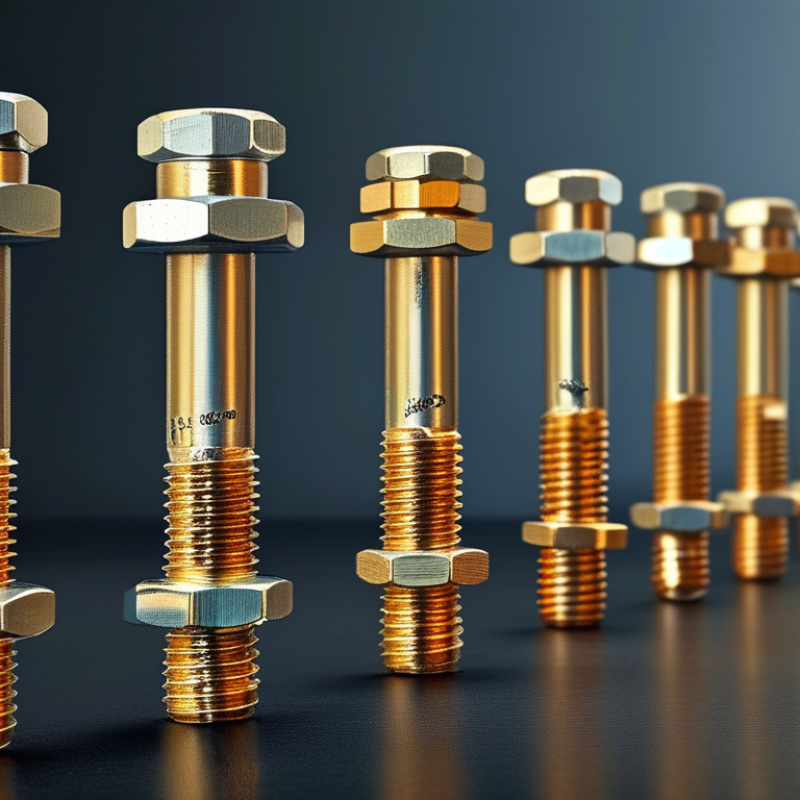
Choosing the right Structural Bolt is crucial for any construction project. A structural bolt plays a vital role in ensuring the integrity of structures. Its selection can impact safety, durability, and overall performance.
Different types of structural bolts exist, each with specific uses and benefits. Using the wrong type might lead to failures. The consequences can be significant, ranging from costly repairs to safety hazards. It's essential to understand the load requirements and environmental conditions affecting your project.
When selecting a structural bolt, consider factors like materials and coatings. It’s important to assess how they withstand corrosion and wear. Thorough research and consultation with experts can lead to better decisions. Remember, every project is unique. Taking time to choose wisely can prevent future issues.
Overview of Structural Bolts and Their Importance in Construction
Structural bolts play a critical role in construction projects. They are essential for connecting different structural components. Choosing the right type of bolt ensures stability and safety. Different projects require different specifications, so it's important to understand your needs.
When selecting structural bolts, consider factors like load requirements and environmental conditions. Bolts must be strong enough to handle the stresses they will face. Corrosion resistance is another essential factor, especially in outdoor structures. Using the wrong bolt can lead to failure. This kind of failure can have costly consequences.
Tips: Assess the load and environment before purchasing bolts. Consult with structural engineers to ensure proper specifications. Always test and inspect bolts for quality and durability. These steps can prevent mistakes that might compromise your project. Remember, not all bolts are created equal. A poor choice can reflect on your entire work. Be meticulous.
Factors to Consider When Selecting Structural Bolts for Your Project
When selecting structural bolts for your project, several key factors deserve careful consideration. The strength and material of the bolts are essential. Steel is a popular choice, but grades can vary significantly. Know the load requirements for your structure. A bolt that is too weak may fail under pressure. Choose bolts that are specifically suited to your construction type.
Corrosion resistance is another critical aspect. Environments with moisture or harsh chemicals can weaken bolts over time. Look for coatings like zinc or stainless steel for added durability. Don't overlook the bolt length and thread type. Inadequate length can compromise connections, while mismatched threads can lead to failures.
Cost is often a concern, but cutting corners can be dangerous. Balancing quality and expense is vital. Often, it’s worth investing in better materials. Consider the installation process, too. Some bolts require specific tools or techniques, which can affect labor and time. Reflecting on these elements will help you make informed choices.
Types of Structural Bolts and Their Specific Applications
When selecting structural bolts, it’s essential to understand the types available. Common options include high-strength bolts, lag bolts, and anchor bolts. Each type serves specific purposes in construction projects.
High-strength bolts are crucial for steel connections. They ensure strong joints that can withstand significant loads. Lag bolts are ideal for wood framing, offering superior grip and stability. Anchor bolts, used in concrete, help secure structures to the ground.
Tip: Always match the bolt type to your project requirements. Consider the materials you are working with. Not all bolts are suitable for every situation.
Another consideration is the environmental factors. Exposure to weather can impact the longevity of bolts. Corrosion-resistant options are available for those in harsh conditions.
Tip: Consult with a structural engineer when in doubt. Their expertise can guide you in making the right choice. Investing time in proper bolt selection may prevent safety issues in the future.
Standards and Specifications for Structural Bolts in Building Projects
Choosing the right structural bolt for a building project is crucial. Structural bolts must meet specific standards and specifications. These requirements ensure durability and safety in construction. Understanding these standards can be overwhelming. Each project may have different needs.
The American Institute of Steel Construction (AISC) provides guidelines on the types of bolts to use. They classify bolts based on strength, size, and material. For example, some projects require high-strength bolts for heavy loads. Others may allow standard bolts for lighter structures. Ignoring these details can lead to structural failures. Consulting with engineers and inspectors is vital. Their expertise helps align project needs with legal standards.
Keeping up with building codes is essential. These codes change frequently. It’s easy to overlook updates. This can create risks and liabilities. Always check local regulations that may impact your choices. In construction, every detail matters. The wrong bolt choice can have serious consequences. So, invest time in research and seek expert advice. Your project’s integrity depends on it.
Why Choose the Right Structural Bolt for Your Project? - Standards and Specifications for Structural Bolts in Building Projects
| Bolt Type | Material | Grade | Diameter (mm) | Length (mm) | Coating | Applications |
| Hex Head Bolt | Carbon Steel | A325 | 16 | 100 | Hot-dip Galvanized | Steel Structures |
| Lag Bolt | Stainless Steel | A307 | 10 | 75 | Plain Finish | Wood and Metal Connections |
| Structural Bolt | Alloy Steel | A490 | 20 | 150 | Zinc Plated | Heavy Machinery |
| Carriage Bolt | Mild Steel | A307 | 12 | 50 | Black Oxide | Furniture and Woodwork |
Best Practices for Installation and Maintenance of Structural Bolts
When it comes to structural bolts, installation and maintenance are crucial. Proper installation ensures the integrity of a structure. Begin by carefully inspecting the bolts. Look for any signs of damage or corrosion. Each bolt should meet the required specifications for your project. Using the right torque is equally important. Over-torquing can lead to bolt failure, while under-torquing may cause loosening over time.
Regular maintenance cannot be overlooked. It’s beneficial to schedule periodic inspections. Check for wear and tear on the bolts and surrounding materials. A proactive approach can prevent larger issues down the line. Use a specific checklist to guide your inspections. Noticing small problems early can save resources and enhance safety.
In addition, consider environmental factors. Humidity and temperature changes can affect bolt performance. It’s necessary to reassess bolt conditions after extreme weather events. Take the time to ensure everything is up to standards. This diligence reflects not just on your project, but also on your commitment to safety and quality. Reflecting on these practices will improve future installations.