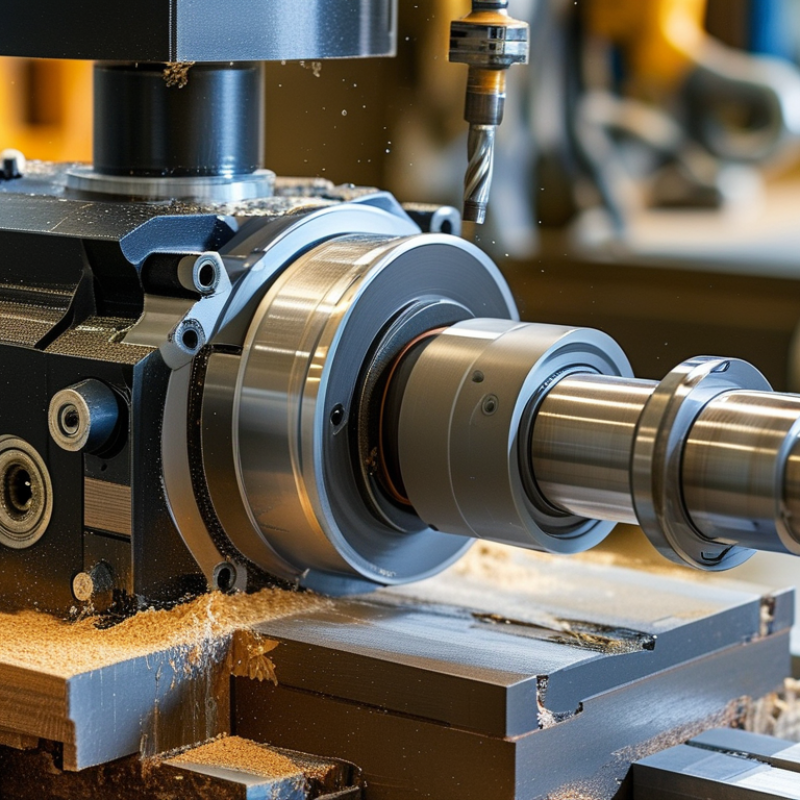
Why Choose the Right Spindle Motor Shaft for Your Needs?
Choosing the right Spindle Motor Shaft is crucial for optimal machine performance. These components play a vital role in precision and durability. Selecting an appropriate spindle motor shaft affects efficiency in various applications, from woodworking to metalworking.
When considering your needs, think about the material and specifications. Different materials offer varying levels of strength and wear resistance. A mismatch can lead to costly repairs or downtime. Experienced manufacturers can guide you through the decision process, ensuring you choose wisely.
Don’t overlook the importance of compatibility with existing machinery. A detailed evaluation can help avoid potential issues. Reflecting on past mistakes can also inform better choices. The right spindle motor shaft can significantly enhance productivity and longevity. Balancing different factors can lead to better results in your operation.
Understanding the Importance of Spindle Motor Shafts in Machinery
Spindle motor shafts play a crucial role in the efficiency and performance of machinery. They serve as a vital connection between the motor and the machine's load. According to the International Journal of Machine Tools and Manufacture, proper spindle design is essential for reducing vibrations, which can lead to premature wear. Over 30% of machinery failures are attributed to spindle-related issues, highlighting their importance.
The choice of spindle motor shaft directly impacts precision and operational costs. A study by the American Society of Mechanical Engineers suggests that even slight misalignments can reduce efficiency by 15%. This inefficiency can translate into significant financial losses. Many facilities overlook the condition of their spindle shafts, leading to costly maintenance and downtime.
In various industries, the demand for high-quality spindle motor shafts is increasing. As production lines aim for tighter tolerances, the role of spindle shafts in enhancing functionality becomes undeniable. However, numerous operators still settle for subpar components, risking future complications. The balance between cost and quality is delicate, often leading to critical decisions that require deeper reflection.
Key Factors to Consider When Selecting a Spindle Motor Shaft
Choosing the right spindle motor shaft is crucial for optimal performance. Several key factors impact the selection process. First, consider the material. Common choices include steel and aluminum. Each material affects durability and weight, influencing your machine's speed and accuracy.
Next, focus on the diameter and length of the shaft. Both dimensions determine compatibility with your motor and the load it can handle. A mismatched size can lead to vibrations, reducing efficiency. Pay attention to the mounting type as well. Different motors may require specific mounting standards. That could limit your options and affect the overall reliability of your setup.
Lastly, do not overlook the rotational speed and torque ratings. These specifications dictate the power level your spindle can deliver. Insufficient ratings can lead to premature wear or failure. Always assess the maximum demands of your application before making a choice. It’s advisable to consult with an expert to avoid common pitfalls during selection.
Different Types of Spindle Motor Shafts and Their Applications
When selecting a spindle motor shaft, it's crucial to understand the specific types available and their applications. Various types include stainless steel shafts, aluminum shafts, and high-speed precision shafts. Each type serves distinct purposes, affecting overall performance in different machinery or systems. For example, stainless steel shafts excel in corrosion resistance, making them ideal for wet environments. Aluminum shafts are lightweight and provide good rigidity, perfect for high-speed applications.
Different industries utilize these shafts uniquely. In woodworking, precision shafts support intricate designs and cuts. In manufacturing, they drive CNC machines, requiring high precision and durability. However, misalignment or incorrect specifications can lead to inefficient operation or machine failure. It's important to assess both the environment and intended use before making a choice.
Selecting the right spindle motor shaft is not just about knowing the types. One must also consider load conditions, speeds, and temperatures. Frequently, users overlook these factors, leading to costly mistakes. Understanding these details ensures that the chosen shaft meets both performance and safety standards, enhancing reliability in various applications.
Common Mistakes to Avoid When Choosing a Spindle Motor Shaft
Choosing the right spindle motor shaft is essential, yet it's easy to make mistakes. One common error is focusing solely on price. While budget considerations are crucial, the cheapest option may not provide the necessary performance. According to a 2022 industry report, businesses that invest in quality components see a 30% increase in efficiency. Ignoring long-term benefits can lead to higher repair and maintenance costs.
Another mistake is overlooking the specifications of your application. Many users underestimate the impact of torque requirements and RPM ratings. A mismatch can result in premature wear on the spindle. Research shows that improper shaft selection can reduce lifespan by up to 40%. It's vital to evaluate your system's specific needs carefully.
Finally, lack of reliable sourcing can lead to purchasing inferior products. It’s not uncommon for users to rely on recommendations without further research. Ensuring that suppliers meet industry standards is crucial. Quality assurance checks can significantly reduce risks. Investing time in sourcing can save future headaches. Remember, the right spindle motor shaft can enhance productivity and reliability in your operations.
Why Choose the Right Spindle Motor Shaft for Your Needs? - Common Mistakes to Avoid When Choosing a Spindle Motor Shaft
| Dimension | Description | Common Mistakes | Recommendations |
| Diameter | The width of the spindle motor shaft, crucial for fitting the components. | Choosing a diameter that doesn’t match the spindle clamp. | Always measure the existing shaft or the spindle clamp specifications. |
| Length | The total length of the shaft affects stability and alignment. | Selecting a length that is too short or too long can lead to operational issues. | Double-check the length requirements of your machinery. |
| Material | The material of the spindle affects durability and performance. | Using an inappropriate material can lead to premature wear. | Select a material based on operational conditions and load. |
| Taper | The angle at which the shaft tapers impacts tool holding. | Ignoring the required taper type can lead to tool slippage. | Ensure compatibility with the tools you plan to use. |
| Load Capacity | The maximum load the spindle can handle without failure. | Underestimating load requirements can damage the spindle. | Calculate the load accurately based on your machining needs. |
Maintenance Tips for Prolonging the Life of Spindle Motor Shafts
To ensure the longevity of spindle motor shafts, regular maintenance is essential. Many industries rely on these components for precision and performance. According to a recent industry report, improper maintenance can lead to a 30% decrease in efficiency. This is significant in environments where precision is critical.
One critical aspect of maintenance is lubrication. Proper lubrication reduces friction and wear. Failing to lubricate can lead to overheating. Overheating can diminish the spindle's performance and lifespan. Operators should regularly check lubricant levels and replace them as needed. The recommended interval for lubrication checks is every 100 operating hours.
Additionally, routine inspections are vital. These inspections should include checking for any signs of wear or damage. Visual checks can often reveal excessive play in the bearings or misalignment. Catching these issues early can prevent costly repairs later. A study indicated that regular inspections can reduce unexpected downtime by up to 40%. These proactive measures can make a big difference in maintaining the functionality of spindle motors.
Spindle Motor Shaft Maintenance Impact on Longevity