How to Choose the Right Scaffolding System for Your Project?
Choosing the right Scaffolding System is crucial for any construction project. The type of scaffolding can significantly impact safety, efficiency, and overall project success. With various options available, making an informed choice can seem daunting.
Understanding the specific needs of your project is essential. Different scaffolding systems offer unique advantages and drawbacks. For example, some may be easier to assemble but less sturdy. Others might be robust but require more time to set up. It’s necessary to weigh these factors carefully.
Safety must remain a priority throughout the selection process. A suitable scaffolding system ensures workers can perform tasks efficiently and without risk. Yet many overlook the importance of proper training in scaffolding use. A lack of experience can lead to costly mistakes or accidents. Researching reputable suppliers and seeking expert advice can help navigate this complex decision.
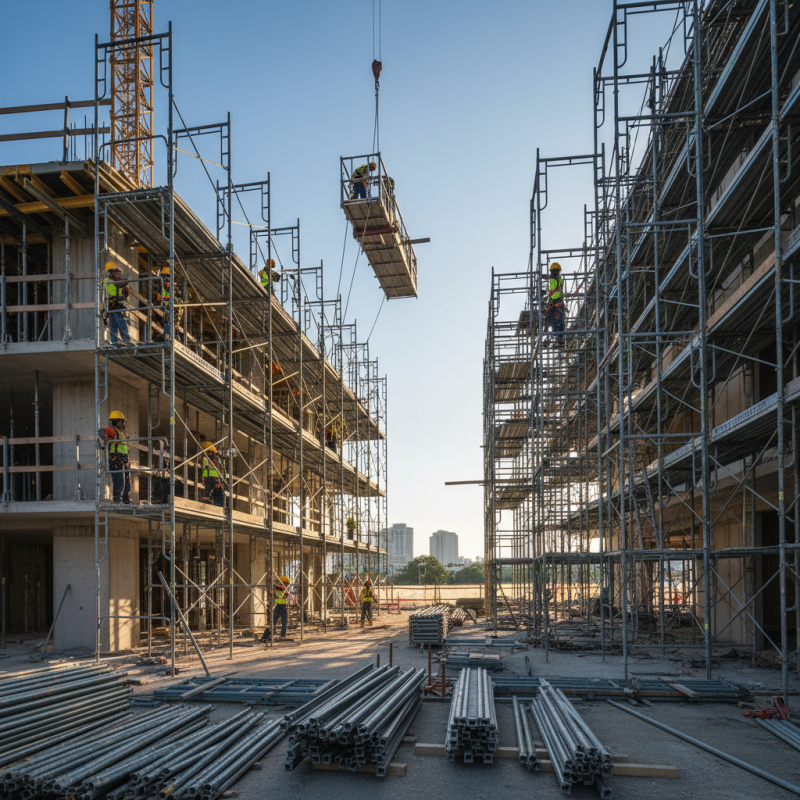
Understanding Different Types of Scaffolding Systems Available
When selecting a scaffolding system, it's crucial to understand the various types available. Each type serves distinct purposes based on project needs. For instance, frame scaffolding is commonly used for buildings. It's easy to assemble and provides solid support. However, it may not be ideal for complex structures.
Tube and clamp scaffolding offer versatility. This system allows you to create custom shapes. While this adaptability is beneficial, it demands skilled labor for assembly. Some workers may struggle with the complexity, leading to delays.
Sometimes, it’s worth considering system scaffolding for large, repetitive tasks. This type often comes pre-fabricated, ensuring quick installation. Yet, it can be more expensive upfront. Evaluating your project budget is essential. Each type of scaffolding has pros and cons, so careful consideration is critical. Balancing cost, safety, and purpose will make your project successful.
Assessing Project Requirements: Height, Load, and Duration Constraints
Choosing the right scaffolding system starts with understanding your project's specific requirements. Assessing the height you need to reach is crucial. Different projects will have varying height needs, from a few meters to multi-story buildings. Knowing this helps narrow down the options. It also affects safety measures and equipment types.
Next, consider the load constraints. The scaffolding must support the weight of materials and workers. Overestimating load capacity can lead to structural failures. Assess the types of materials you'll use. For heavy equipment, a robust scaffolding system is vital. Always consult with professionals to get precise estimates on weight limits.
Duration is another key factor. Short-term projects may afford less expensive options. However, long-term use often requires higher quality systems. Evaluate the frequency of use and maintenance needed. If the project timeline extends, think about durability. Scaffolding might need to endure adverse weather conditions. Reflect on these elements to ensure safe and effective use.
Evaluating Safety Standards and Compliance for Scaffolding Use
When selecting a scaffolding system, safety standards must take priority. Scaffolding accidents can lead to serious injuries and even fatalities. According to the Occupational Safety and Health Administration (OSHA), falls account for approximately 34% of these incidents. This highlights the need for robust safety protocols.
Compliance with safety regulations is critical. For instance, scaffolding should meet ANSI/ASSE A10.8 standards. These standards outline the design and construction requirements for scaffolding to ensure worker safety. Regular inspections are also necessary. They can identify potential hazards before incidents occur. A report from the National Institute for Occupational Safety and Health (NIOSH) emphasizes the importance of routine scaffolding checks, suggesting that up to 60% of scaffold-related accidents are preventable.
Even with established standards, issues can arise. Improper assembly or lack of training can compromise safety. A study revealed that nearly 30% of scaffolding setups were found to be non-compliant during inspections. Workers must be trained thoroughly on safety practices. Reliability in scaffolding systems is non-negotiable. Continuous education and adherence to safety guidelines can drastically reduce risks on construction sites.
Cost Analysis: Budgeting for Scaffolding Choices and Installation
When budgeting for scaffolding, it's crucial to assess all associated costs. An industry report from Scaffold & Access Industry Association (SAIA) indicates that scaffolding costs can account for up to 20% of a construction project’s overall budget. This surprising figure emphasizes the need for detailed financial planning. Costs typically vary based on system type, project duration, and installation complexity.
Installation costs also play a significant role. A report by the International Journal of Construction Management notes that labor costs can increase project expenses by 30% when scaffolding is installed inefficiently. It is essential to properly evaluate the options available. While system types like frame scaffolding tend to be less expensive, more complex options, like suspended scaffolding, may offer better safety and productivity in certain scenarios.
Underestimating these financial aspects can lead to significant project delays and increased expenditures. Conducting a thorough cost analysis allows project managers to better align scaffolding choices with their financial constraints. Evaluating both direct and indirect costs can provide a more realistic budget, ensuring that projects remain on track and do not exceed financial limits. Ultimately, understanding these costs can greatly influence overall project success.
How to Choose the Right Scaffolding System for Your Project? - Cost Analysis: Budgeting for Scaffolding Choices and Installation
| Scaffolding Type | Material | Cost per Day ($) | Load Capacity (lbs) | Setup Time (hours) | Best Use Cases |
| Frame Scaffolding | Steel | 150 | 1,000 | 2 | Interior/exterior walls |
| System Scaffolding | Aluminum | 200 | 2,000 | 3 | High-rise buildings |
| Suspended Scaffolding | Steel | 250 | 800 | 1 | Window cleaning, maintenance |
| Kwikstage Scaffolding | Steel | 180 | 1,500 | 2.5 | Construction and renovation |
| Rolling Scaffolding | Aluminum | 120 | 600 | 1.5 | Light indoor work |
Hiring Professionals vs. DIY: Making the Right Decision for Your Project
When considering scaffolding for your project, the choice between hiring professionals or opting for a DIY approach is crucial. Professional services often come with experience and expertise. They understand safety standards and can minimize risks significantly. According to a 2022 report from the Scaffold and Access Industry Association (SAIA), over 80% of scaffolding accidents result from improper setup. Hiring experts reduces these risks.
On the other hand, DIY projects may seem cost-effective. However, they come with hidden challenges. A survey revealed that nearly 40% of DIY scaffold setups were deemed unsafe by construction regulators. While some may possess basic skills, intricate projects can overwhelm even seasoned individuals. Scaffolding requires specific knowledge of load capacities and safety regulations. When you factor in potential injuries or fines from non-compliance, the cost of DIY may escalate unexpectedly.
Incorporating professional help often leads to a smoother workflow and adherence to regulations. The assurance of safety and efficiency generally outweighs the perceived savings of doing it yourself. A thoughtful decision in this area can significantly impact overall project safety and success.





