How to Choose the Right Power Tool Accessories?
Choosing the right Power Tool Accessories is more than selecting a familiar brand. The accessory must match the tool, material, speed, and task. A masonry bit used on concrete behaves differently from one used on ceramic tile. The difference appears at the workbench.
Industry data shows why this choice matters. Allied Market Research reported that the global power tools market could reach approximately $46.1 billion by 2027. Grand View Research has also identified steady growth in cordless and professional power tools. More tools mean more accessory options, but not necessarily better decisions. Market growth does not guarantee compatibility or safety.
Fit comes first. Check the shank size, thread type, blade diameter, maximum RPM, and tool manufacturer’s instructions. For abrasive wheels, ANSI B7.7 provides safety guidance for machine operation and wheel use. For drilling and cutting, material hardness, heat buildup, and dust control require equal attention. A dull bit can force extra pressure. That pressure may damage the workpiece or strain the tool.
Small details matter.
This guide explains how to compare Power Tool Accessories through practical specifications, real workshop conditions, and supplier reliability. It considers carbide grades, coating types, tooth geometry, fastening systems, and expected service life. Independent testing data should support performance claims whenever possible. Still, no accessory lasts forever. Even an expensive blade can fail when used at the wrong speed. That limitation deserves honest attention. The best choice is not always the cheapest or most advanced option. It is the accessory that safely completes the intended job with consistent results.
Understanding Power Tool Accessories and Their Main Functions
How to Choose the Right Power Tool Accessories?
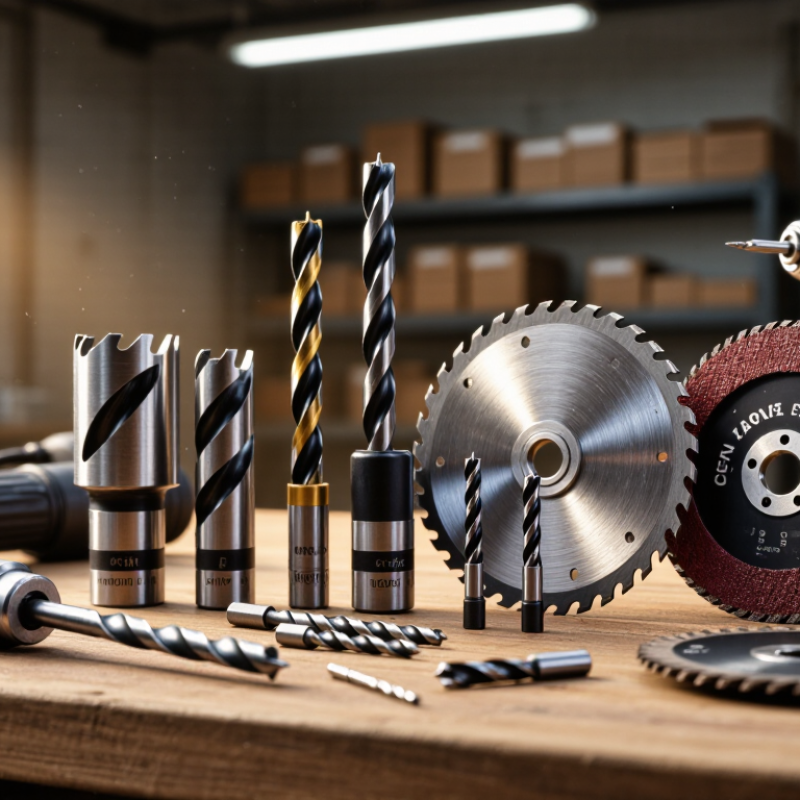
Power tool accessories are working parts, not minor add-ons. A drill bit creates the hole, while a driver bit transfers torque into the fastener. Blades cut wood, metal, or masonry at different speeds. Sanding discs remove material and refine edges. Grinding wheels shape surfaces and clean welds. Each accessory has a specific function, and using the wrong one can cause poor results, overheating, or premature wear.
Market evidence shows why this selection matters. Grand View Research valued the global power tools market at about USD 36.7 billion in 2023, with continued growth expected through 2030. MarketsandMarkets also projects strong expansion in the power tools sector, supported by construction, repair, and manufacturing demand. These reports do not make every accessory suitable. They show a wider need for reliable, task-specific equipment. I would check the material, required finish, shaft size, speed rating, and tool compatibility before buying.
Look closely at the job. A fine-tooth blade leaves a cleaner cut in thin wood, while a coarse blade removes material faster. A masonry bit needs steady pressure, not excessive force. For dusty work, an extraction attachment can improve visibility and reduce cleanup. Read the accessory’s rated speed. Inspect chipped edges, bent shafts, and worn surfaces before use. Small details matter. My first choice is not always perfect; material hardness, operator pressure, and tool condition can change performance. A short test cut often reveals more than packaging claims.
How to Choose the Right Power Tool Accessories?
Common application coverage by accessory type
The values represent the number of common task categories typically associated with each accessory type. Choose accessories according to the material, required finish, cutting or fastening method, and tool compatibility.
Matching Accessories to Your Tool, Material, and Project Requirements
Choosing a power tool accessory starts with compatibility, not appearance. Check the tool’s voltage, chuck type, arbor size, speed range, and rotation direction. A drill bit designed for wood may overheat in masonry. A cutting disc with the wrong diameter can exceed the tool’s rated speed.
Material changes the decision. Use brad-point bits for clean wood holes, carbide-tipped bits for brick, and metal-rated bits for steel. Match the accessory’s maximum revolutions per minute with the tool’s output. The U.S. Consumer Product Safety Commission’s power-tool safety guidance stresses using manufacturer-rated attachments and guards. That advice sounds basic, but rushed work often ignores it.
Project conditions matter just as much. For concrete or mortar, choose dust-controlled drilling accessories and wear suitable respiratory protection. NIOSH reports that about 2.3 million U.S. workers are exposed to respirable crystalline silica, including during construction tasks. OSHA’s silica rule sets an eight-hour permissible exposure limit of 50 micrograms per cubic meter. A wet-cutting method or connected extraction system can reduce airborne dust, when the tool allows it.
I have found that “universal” accessories are rarely universal in practice. They may fit, yet cut poorly or vibrate noticeably. Test on scrap material first. Inspect chipped edges, warped shanks, and unusual heat. Stopping early feels inefficient, but replacing a damaged accessory is cheaper than correcting a bad cut or an unsafe result.
Checking Compatibility, Size, Performance, and Safety Standards
Choosing the right power tool accessory starts with compatibility. Check the tool’s model requirements, arbor size, thread pattern, and maximum speed. A disc rated below the tool’s no-load speed can fail dangerously. The accessory must also match the material. A masonry bit suits concrete, while a high-speed steel bit works better on metal. Guessing wastes time.
Size affects control and performance. Larger blades may cut deeper, but they can increase kickback and vibration. The International Labour Organization and World Health Organization estimated 1.9 million work-related deaths globally in 2016. Their 2021 report reinforces a practical lesson: small equipment decisions can support safer work. Look for clear speed ratings, impact resistance, and heat tolerance. Third-party certification helps, although certification alone does not replace inspection.
Tips: Measure twice. Check the manual. Wear eye and hearing protection. Inspect for cracks, bent shafts, or missing guards before use. Keep hands away from the cutting path, and stop when vibration changes. A clean, sharp accessory usually performs better and places less strain on the motor. Still, I sometimes focus too much on specifications and forget the operator’s grip, workspace, and fatigue. That is a mistake worth correcting. The U.S. Occupational Safety and Health Administration advises inspecting hand and power tools before use and maintaining guards in place. These checks take seconds, but rushed work often skips them.
Comparing Accessory Materials, Designs, Durability, and Cost
How to Choose the Right Power Tool Accessories?
Material affects cutting speed, heat control, and service life. Carbon steel accessories cost less, but they dull quickly on dense materials. High-speed steel handles heat better during repeated drilling. Carbide-tipped designs usually last longer against masonry, hardened wood, and abrasive surfaces. Diamond-coated edges perform well on tile and concrete, but they need controlled pressure. The Business Research Company reported that the global power tool accessories market grew from 7.58 billion dollars in 2023 to 8.16 billion dollars in 2024. This growth reflects rising demand for durable, task-specific accessories.
Design matters as much as material. A bit with a reinforced shank can reduce wobble and improve hole accuracy. Variable-pitch teeth can clear chips faster during cutting. Look for clear size markings and secure locking features. They save time on a dusty jobsite. Grand View Research valued the global power tools market at approximately 36.1 billion dollars in 2023, with continued growth projected through 2030. That expansion increases accessory choices, but not every design deserves the higher price.
Durability should match workload, not marketing language. For occasional repairs, mid-range accessories may offer better value. Professional users should compare tested cutting cycles, heat resistance, and replacement costs. I still replace cheap bits too early. That lesson is expensive. Cost per use is more useful than shelf price. Check technical specifications, independent testing, and compatibility before buying. Availability matters too, because a durable accessory is useless when replacement parts cannot be found.





