How to Choose a pH Meter in 2026?

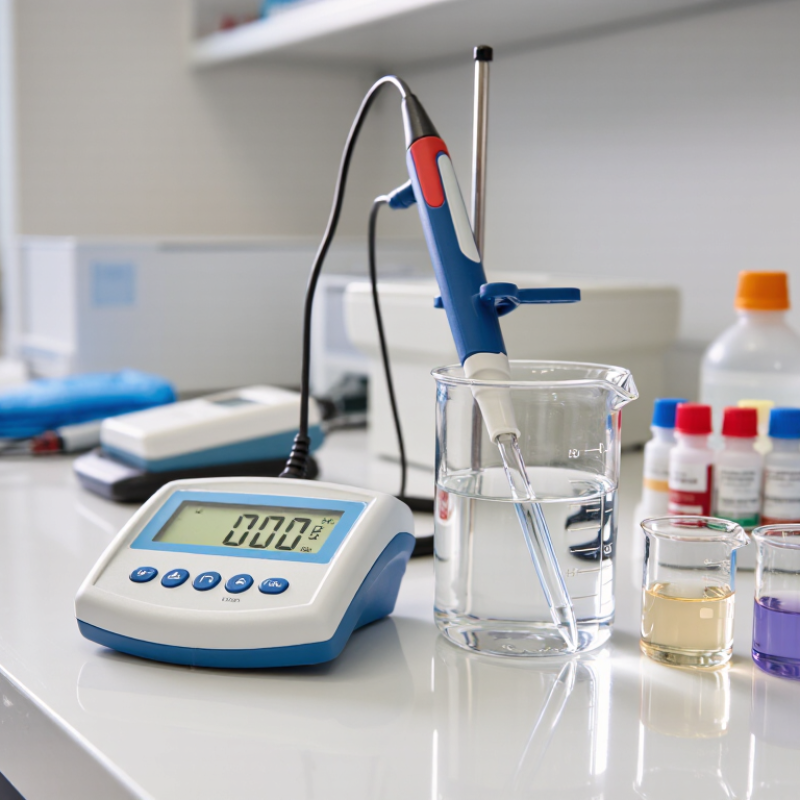
Choosing a Ph Meter in 2026 requires more than comparing prices and screen sizes. Reliable measurement begins with understanding your samples, workflow, and acceptable error range. A device used for drinking water may not suit thick food products, soil extracts, or laboratory buffers. Each application places different demands on the electrode, calibration process, temperature compensation, and cleaning routine.

In practical testing, small details often decide whether results are trustworthy. A stable meter should offer clear calibration prompts, automatic temperature compensation, and a replaceable electrode. Look for documented accuracy, repeatability data, and traceable calibration standards. IP-rated protection can help in wet production areas, while data logging supports audits and long-term quality checks. However, advanced features do not replace good technique. A poorly rinsed electrode can distort readings within seconds. Calibration matters.

I have also learned that convenience can hide limitations. Wireless connectivity sounds useful, yet it may add complexity when records are incomplete or software support changes. Some meters claim laboratory performance but provide little information about testing conditions. That deserves careful questioning. Check the manufacturer’s technical documentation, warranty terms, electrode lifespan, and service availability before buying. Independent reviews can help, but they should support, not replace, professional judgment. The best Ph Meter is not always the most expensive model. It is the one that delivers consistent results for your real samples, under your actual working conditions. Leave room for uncertainty. Even a careful method may need improvement.

How to Choose a pH Meter in 2026?

Define the Measurement Requirements and Application Environment

How to Choose a pH Meter in 2026?

Define the Measurement Requirements and Application Environment

Choosing a pH meter starts with the sample, not the display or price. Identify the expected pH range, required accuracy, testing frequency, and sample volume. A classroom experiment may need simple readings, while wastewater, food, or pharmaceutical testing demands stronger control. A target of ±0.01 pH can be excessive for some tasks and insufficient for others. Define the real tolerance.

Consider the sample’s temperature, texture, conductivity, and chemical behavior. Thick creams may coat a standard electrode. Very small samples may require a compact sensing tip. Field testing adds dust, moisture, vibration, and limited power. A waterproof enclosure helps, but it does not replace proper storage and cleaning. Temperature compensation is valuable when samples change temperature during measurement. Keep the details visible.

Calibration also shapes the decision.

Confirm that the meter supports suitable buffer points and records calibration status. Automatic recognition saves time, yet users should still inspect the buffer condition and electrode response. An electrode can look clean and still drift. That mistake is easy to miss. In routine work, check repeatability with a known reference sample before trusting unusual results. Data logging, audit trails, and clear error alerts may matter more than advanced connectivity. I once underestimated cleaning time when comparing instruments, and the daily workload changed the choice. Reconsider the workflow before final selection.

Compare pH Meter Types, Accuracy, and Calibration Features

How to Choose a pH Meter in 2026?

Choosing a pH meter starts with accuracy, not screen size. Portable pen meters suit field checks, aquariums, and quick process readings. Benchtop meters offer steadier results in laboratories and production rooms. For drinking water, the World Health Organization’s Guidelines for Drinking-water Quality lists an operational pH range of 6.5–8.5. That narrow window makes calibration discipline important. A claimed 0.01 pH resolution does not guarantee 0.01 pH accuracy.

Check the electrode, temperature compensation, and calibration options. EPA Method 150.1 describes calibration with traceable buffer solutions and recommends checking instrument stability before measurement. NIST reference buffer documentation reports uncertainties commonly close to ±0.005 pH unit near room temperature. That detail matters when comparing small readings. Automatic temperature compensation corrects temperature effects on the electrode response. It does not correct a dirty or aging probe. A meter can still lie. I have seen careful users trust the display too quickly.

Tips: Choose at least two-point calibration for routine work, and three points when samples cover a broad pH range. Look for calibration reminders, slope diagnostics, replaceable electrodes, and waterproof housing. Rinse with purified water, blot gently, and never wipe the glass bulb. Store it in proper storage solution. Dry storage damages performance. Recheck calibration after unusual samples, long pauses, or visible drift. No feature replaces good sampling technique.

Evaluate Probe Design, Durability, and Maintenance Needs

How to Choose a pH Meter in 2026?

A reliable pH meter begins with the probe, not the display. Choose a probe suited to your samples, temperature range, and testing routine. Glass bulbs offer accurate readings, but they can crack when handled carelessly. Flat or spear-shaped designs work better for surfaces, semi-solid foods, and field samples. A double-junction reference system can reduce contamination from difficult samples. Check whether the probe supports automatic temperature compensation. It improves consistency, although it cannot fix poor sampling technique.

Durability matters in busy laboratories and outdoor work. Look for a protected body, strong cable connections, and a storage cap that seals properly. Replaceable probes may cost more initially, but they can reduce long-term waste and downtime. Maintenance needs should be realistic. Rinse the probe with clean water after each measurement, then blot it gently. Never wipe the sensing bulb aggressively. Store it in the recommended solution, not distilled water. I have seen accurate meters fail because the probe dried overnight. That mistake is easy to repeat.

Tips: Match the probe to the sample before comparing features. Inspect the junction regularly for clogging or discoloration. Calibrate with fresh standard solutions at suitable points. Keep a simple maintenance log. It reveals drifting performance early, though records alone cannot replace careful handling. If several users share one meter, write the cleaning steps beside the storage area. Clear instructions help, but people may still skip them during rushed testing.

How to Choose a pH Meter in 2026? - Evaluate Probe Design, Durability, and Maintenance Needs

Meter / Probe Type Probe Design Typical Measuring Range Typical Accuracy Durability Considerations Maintenance Needs Best-Suited Applications
General-purpose glass combination probe Glass sensing bulb with a reference electrode in one body; commonly includes a porous junction. Approximately pH 0–14, depending on the electrode construction and sample. Typically ±0.01 to ±0.02 pH for laboratory-capable systems. Provides good measurement performance but the glass bulb is fragile and sensitive to impact, drying, and thermal shock. Store wet in electrode storage solution, rinse between samples, calibrate regularly, and inspect the junction for clogging. Routine laboratory testing, water analysis, education, and general quality control.
Refillable glass combination probe Separate refill port allows the reference electrolyte level and condition to be managed by the operator. Usually about pH 0–14, subject to the electrode specification and operating temperature. Often capable of approximately ±0.01 pH when correctly calibrated and maintained. Generally offers stable reference performance, but the refill port and glass bulb require careful handling. Maintain the correct electrolyte level, keep the junction moist, clean deposits promptly, and recalibrate after cleaning or extended storage. High-accuracy laboratory work, samples with difficult junction behavior, and applications requiring serviceable reference systems.
Solid-state or ISFET probe Uses a solid-state sensing surface rather than a conventional glass bulb; construction is usually more resistant to breakage. Commonly designed for approximately pH 0–14, with model-specific limits. Often around ±0.01 to ±0.05 pH, depending on the sensor and instrument. High resistance to glass breakage and vibration; the sensing surface can still be affected by fouling, abrasion, and harsh chemicals. Rinse thoroughly, clean according to the sensor material, prevent surface buildup, and follow the specified storage method. Field work, process monitoring, food production environments, and applications where glass breakage is a concern.
Spear-tip or puncture probe Reinforced or pointed tip designed to penetrate semi-solid materials while protecting the sensing element. Usually within pH 2–12 for food and semi-solid samples, although the exact range is model-dependent. Commonly approximately ±0.02 to ±0.05 pH in suitable samples. Better mechanical protection than a standard bulb, but excessive force, twisting, or use on hard surfaces can damage the tip. Remove sample residue immediately, use compatible cleaning solutions, keep the junction hydrated, and avoid scraping the tip. Soil, cheese, meat, fruit, fermentation materials, and other semi-solid products.
Pocket or pen-style combination meter Compact integrated electrode and display; many versions use a fixed or replaceable probe assembly. Commonly pH 0–14, with some compact models offering a narrower usable range. Typically ±0.05 to ±0.1 pH, depending on the instrument class and calibration condition. Convenient and portable; compact electrodes usually have less physical protection and shorter service lives than larger laboratory probes. Rinse after every use, keep the sensor wet, calibrate frequently, replace batteries when needed, and protect the tip during transport. Rapid checks in hydroponics, aquaculture, pools, classrooms, kitchens, and general field screening.
Flat-surface probe Flat or recessed sensing surface designed to measure small volumes, surfaces, creams, gels, or viscous samples. Often approximately pH 2–12, depending on the sensing material and sample matrix. Commonly about ±0.02 to ±0.1 pH in suitable conditions. The protected face resists bulb breakage, but scratches, blocked junctions, and abrasive cleaning can impair performance. Clean the surface carefully after use, avoid abrasive tools, maintain moisture, and verify calibration with fresh buffers. Cosmetics, creams, gels, paper surfaces, small-volume samples, and challenging non-liquid products.

Typical values are representative selection ranges rather than universal specifications. Always confirm the probe’s stated range, temperature limits, chemical compatibility, connector type, replaceability, and storage requirements before purchase.

Check Usability, Connectivity, and Data Management Options

How to Choose a pH Meter in 2026?

A pH meter should fit the operator’s hands, samples, and working rhythm. In a busy laboratory, a readable display and quick calibration can prevent avoidable errors. Look for guided calibration, replaceable electrodes, automatic temperature compensation, and a stable probe connector. Small details matter. A 2024 Fortune Business Insights report estimates the global pH meter market at about USD 1.44 billion in 2023, with continued growth expected through 2032. More choices do not always mean better decisions.

Connectivity deserves careful testing. Wi-Fi and Bluetooth can transfer results directly to laboratory software, reducing manual transcription. However, weak signals, shared devices, and interrupted sessions can create gaps. Ask whether the meter stores readings offline and synchronizes them later. Check export formats, API support, user permissions, and timestamp accuracy. Do not skip exports.

Data management should support traceability, not merely convenience. Calibration records should include buffer values, slope, temperature, operator identity, and time. An audit trail is valuable when results need review. These features also align with the record-control principles emphasized in ISO/IEC 17025:2017. In practice, I would test the full workflow with real samples before purchasing. A polished interface can still hide confusing menus. That judgment is not universal. Small teams may prefer local storage, while regulated laboratories often need centralized records, controlled access, and secure backups.

How to Choose a pH Meter in 2026?

Compare the practical importance of measurement performance, usability, connectivity, and data management before selecting a pH meter.

The chart uses a 100-point evaluation framework. Measurement performance receives the highest priority because pH readings depend on calibration, temperature compensation, electrode condition, and measurement stability. Usability covers display clarity, guided calibration, cleaning, and electrode replacement. Connectivity and data management focus on USB or wireless transfer, time-stamped records, CSV export, auditability, and traceability. These are selection weights rather than manufacturer-specific specifications.

Assess Total Cost, Support, and Long-Term Value

How to Choose a pH Meter in 2026?

Assess Total Cost, Support, and Long-Term Value

Choosing a pH meter in 2026 requires more than comparing the purchase price. A low-cost unit may need frequent electrode replacement, calibration solutions, and technician time. Estimate the full cost over three years. Include batteries, storage solution, cleaning supplies, repairs, and staff training. In a working laboratory, a meter taking two minutes to stabilize can quietly reduce daily output. That delay matters.

Assess accuracy under your real conditions, not only during a demonstration. Test samples with changing temperatures, suspended particles, or limited volume when relevant. Ask how often calibration is required and whether readings remain stable after repeated use. Use traceable buffer standards and record calibration results. A strong specification sheet helps, but it cannot replace hands-on checks.

I have seen teams choose advanced features they never use while ignoring a fragile electrode. That is an expensive lesson.

Support should be measurable. Look for clear warranty terms, documented troubleshooting, replacement-part availability, and responsive technical guidance. Confirm whether calibration records can be exported and whether service staff understand your application.

Long-term value also depends on training. A simple interface can prevent rushed errors during busy sampling periods. Still, no meter remains reliable without proper storage and routine verification. Build a replacement plan before failure occurs, even if the instrument seems durable. Budgets change, and assumptions age.

Powder Coat Booths

For those larger-sized parts, or smaller quantity runs, we have 2 independent powder coat booths and ovens. The quality, durability and affordability of today’s powder coating finishes make this the process of choice for world-class companies.

Powder coating advantages over other forms of coating are many. Materials used in the Powder coating process can be metals and non-metals that come in a multitude of thicknesses, textures, colors, etc. Another of Powder coating’s biggest advantages over conventional coatings is its ability to create finishes in many different textures. Powder Coating Booths allow us the ability to apply these advantages to large products.

Wet Paint Line

Tri-State Fabricators runs a full-service conveyor line for painting. Wet painting can provide protection or decoration to many different part styles. From start to finish, every project is easier to undergo random and point-based inspection by our skilled painting team.

Advantages to our Wet Paint Line are these lines start with product prep and ends with a thorough inspection of a high quality finished product. Our ability to complete large and small projects with a superior finish and doing so in a timely and economical fashion. This passes along the savings in production to our customers. When powder coating ins not an option, our Wet Paint Line gets the job done right the first time.

Wet Paint Booths

When the parts get big and heavy we roll-out our custom paint racks and oversize booth. By utilizing our partnerships with all the major paint brands, we can match virtually any color with wet paint.

The advantages of having access to a Wet Paint Booth are many. Large projects of many different shapes can be loaded into the booth. The Wet Paint Booth offers an environment that is much more controlled than a typical parts painting operation.

Not only are they used because of their controlled environment, but they’re are also advantageous when it comes to applying paint to parts that are needed in industries that require specialty coatings such as medical, aerospace, etc.

Military CARC

Our military forces have some very high standards when it comes to the finish of their vehicles and equipment. From the first pre-treatment step to final coat, it takes a great deal of knowledge and experience to protect the men and women of our armed forces. They deserve only the best, and Tri-State Fabricators provides it.

All of our processes are closely monitored by our staff and management teams. Both of which are highly trained in the processes of metal fabrication and finishing. Tri-State Fabricators’ goal is to always fully satisfy each and every customer, including the military. We will always put a 110% into what we do.

Glass-Bead Blasting

Abrasive media blasting is an excellent way to remove old paint, rust, and increase the paint/powder adhesion. Glass beads produce a much smoother and brighter finish than angular abrasives; leaving the part clean yet without any dimensional change. Chemically inert and environmentally friendly, we can recycle our beads approximately 30 times; making them a more preferred method of metal cleaning or surface finishing.

Advantages to Glass Bead Blasting are many. Glass bead blast media is used when a project is needing rough surfaces need to become smooth for applications of coatings such as paint. It is typically used to clean paint and rust from a product surface without deforming the surface it is being used on. Overall, compared to many other blasting media, Glass Bead Blasting is a very economical choice and those savings are always passed on to our customers.

Part Washing

Tri-State Fabricators utilize a zinc phosphate wash to clean and etch the material to ensure the best paint adhesion possible. The unique design of our 3-stage wash system does the work like a 5-stage. From Cleaning and rinsing to conversion coating and post-treatment, Our Part Washing process is a complete service and works throughout the fabrication service and the finishing service.

Along with the previously mentioned benefits, Curing is a vital chemical reaction that leaves the product finish hard and relatively safe from mild abrasion and aggressive corrosion. This process can be done in more than one way; ambient air-dry or in curing ovens at temps that exceed 240°.

Burn-Off Oven

From fixing paint mistakes (someone else’s of course) to simply cleaning our paint line hooks, our burn-off oven is put to good use. After a quick burn-off, a little clean up, and a fresh coat of paint, your parts will look better than new.

Why does our Burn-Off Oven work so well? Because super heating the air around parts turns the materials into ashes. From paint and powder coatings to rubber and machining oils, high temps do the job without degrading the integrity of the part.

Masking

Masking is a vital part of producing high quality products. We have die-cut masking patterns to protect machined surfaces as well as a wide range of plugs and caps to protect threaded holes and bolts. We provide permanent and temporary masking.

Masking allows the selected sections of a product to be protected from a fabrication or finishing service. This can be with both chemicals when etching and tapes, paints when only finishing just a section of the product. Masking is great in aiding the customization process of a project.

Screen Printing

Screen printing is a photographic process that transfers artwork onto a porous nylon screen which allows colored ink to flow through the screen and be deposited on an aluminum or plastic component. We can generally have just about any design created onto a screen for your parts.

Some of the advantages of Screen Printing are, brand recognition for your business displaying on your products, assembly instructions, product warnings/hazards, etc. Tri-State Fabricators produces Screen Printing of the highest quality so you know it’s durable.

Metal Finishing

Metal Finishing is the art of treating the exterior portion of product, often metal but can also be made of other materials, so that the surface is clean and free of any debris. Then the process of applying coats or either paint of powder coat takes place. This coating process improves the quality of the product in both appearance and resistance to wear and corrosion.

Tri-State Fabricators, Inc., understands that a project typically isn’t complete until a high-quality finish has been added to your product. This is why our painting and powder coating teams continuously inspect the products throughout the Metal Finishing process.