


Choosing a Multi Lane Packing Machine is a practical decision that affects speed, product quality, labor costs, and long-term production stability. The right machine should match your product characteristics, packaging material, output target, and available floor space. A machine that performs well for dry snacks may struggle with sticky products or irregular pieces. Small details matter, such as sealing temperature, film tension, filling accuracy, and changeover time.
Start with real production data, not only a supplier’s brochure. Measure your target bags per minute, product weight range, package dimensions, and daily operating hours. Check whether the machine supports your preferred film and sealing structure. Ask for test runs using your actual product. Watch the filled bags closely. Are the seals clean? Does powder escape? Does the film wrinkle near the forming collar? These observations often reveal more than impressive specifications.
Reliable manufacturers should provide clear technical drawings, service records, training plans, and realistic performance limits. Experienced engineers can explain how sensors, servo systems, weighing units, and sealing components work together. However, no machine is perfect. Maintenance access may be overlooked, and advertised speed may require ideal conditions. That deserves careful questioning. Consider spare-part availability, operator safety, cleaning requirements, and future product expansion before signing an agreement. A lower purchase price can become expensive when downtime, waste, and complicated repairs appear later. The best choice is not always the fastest machine. It is the one that performs consistently, remains serviceable, and fits your actual packaging operation.
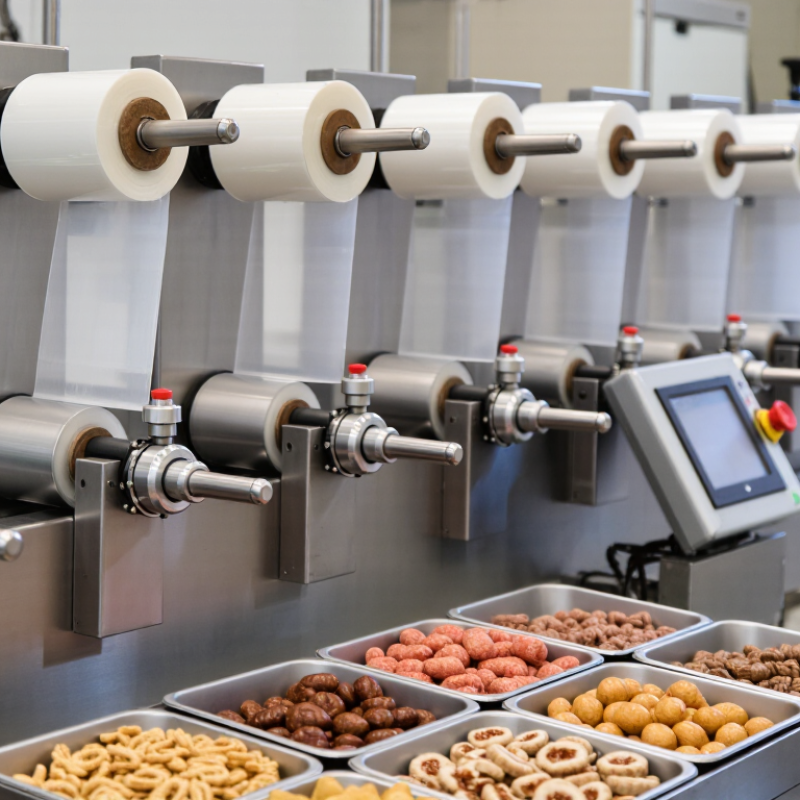
How to Choose a Multi Lane Packing Machine?
Product format should guide the machine choice. Sachets suit small, flat portions, while stick packs create narrow, elongated packs. These formats need different forming collars, dosing systems, sealing pressures, and film paths. A 10-lane machine may offer better control for unstable powders. A 12-lane configuration can increase output, but only when the product flows consistently.
The numbers matter. Grand View Research valued the global flexible packaging market at about USD 261.6 billion in 2023, with continued growth forecast through 2030. This demand increases pressure for faster, cleaner, and more flexible packing lines. In practice, I would test the exact product before selecting lane quantity. Powder bridges, oily granules, and uneven particle sizes can reduce every lane’s accuracy. A higher lane count is not automatically better. It may create more waste during setup and more difficult maintenance.
Tips: Request a live trial using your production film and product. Check seal strength, dose variation, changeover time, and reject rates. Ask for data from at least three comparable runs. Also inspect access around each lane; technicians need space, not just speed. A supplier’s brochure may promise high capacity. Your floor results may disagree. That difference deserves careful review.

How to Choose a Multi Lane Packing Machine?
Capacity should be your first practical calculation. A typical lane may produce 30–60 packs per minute, depending on product flow, film behavior, filling accuracy, and seal design. Multiply the lane rate by the number of lanes. For example, three lanes running at 45 packs per minute can reach 135 packs per minute theoretically. The real figure is usually lower. Allow 10–20% for film changes, cleaning, minor jams, and adjustment time. In this example, usable output may fall to 108–122 packs per minute.
I have seen production plans fail because they used the maximum speed as a daily target. That number looks impressive, but it ignores uneven product feeding and short stoppages. Measure your required output during the busiest shift, not only the daily average. If you need 100 packs per minute, a three-lane machine may offer useful flexibility. Two lanes could handle normal demand, while the third supports growth or recovery after downtime. Still, too many lanes can increase setup complexity and waste during changeovers.
Tips: Run a timed trial with your actual product and packaging film. Record good packs, rejected packs, stoppages, and changeover minutes. Ask for performance data under similar conditions. A machine reaching 60 packs per minute in a test may run closer to 45 in daily production. Plan with evidence, not optimism. Expect some variation.
Compare the expected output with a practical capacity range of 30–60 packs per minute per lane. The chart shows calculated capacity for one to four lanes and a reference requirement of 120 packs per minute.
Calculation: Total capacity = Number of lanes × 30–60 packs per minute. Select a lane configuration whose usable capacity exceeds the required output while allowing room for normal production variation.
How to Choose a Multi Lane Packing Machine?
The right multi lane packing machine starts with the product, not the lane count. Powder, granules, liquids, and irregular pieces behave differently during dosing. A ±1% target suits high-value powders, spices, and pharmaceutical-grade food ingredients. Small errors become expensive when each pouch contains only 20 grams. A ±2% target often fits snacks, grains, and dry mixes. For low-cost, free-flowing products, ±3% may deliver better output without excessive equipment cost.
Use measurable trials before approving a machine. PMMI’s 2023 Packaging Automation report identifies labor availability and production consistency as major automation drivers. Its findings support a practical approach: compare giveaway, speed, cleaning time, and changeover labor together. Auger fillers can control fine powders closely, but humidity may create bridging. Volumetric cup systems handle free-flowing granules efficiently, although product density can shift. Multihead weighers usually protect accuracy for mixed or irregular pieces. They may cost more and require careful calibration.
Ask suppliers for test data using your actual product. Request at least 30 minutes of continuous running, not a perfect ten-minute demonstration. Record mean weight, standard deviation, rejected packs, and product loss. Check whether accuracy remains stable at the highest lane speed. I have seen machines meet ±1% in trials, then drift after poor cleaning or uneven feeding. That detail is easy to miss. The 2024 Future of Packaging research from PMMI also emphasizes flexible, data-driven equipment, but automation cannot repair inconsistent product flow.
How to Choose a Multi Lane Packing Machine?
Film compatibility often determines whether a multi lane packing machine performs reliably. A machine may run smoothly during a short demonstration, then struggle with your actual film. Start with the film structure, not only its thickness. Polyethylene, polypropylene, laminated films, and coated materials react differently to heat and tension. For 20–80 micron packaging materials, confirm the machine’s tension range, forming design, and sealing temperature control. Thinner films need gentle handling. Small defects can become leaks.
Seal quality deserves practical testing under real production conditions. In trials, inspect seal width, wrinkles, burn marks, and incomplete bonding. Measure seal strength across every lane, not just the center lane. Heat, pressure, and dwell time must remain balanced. At 20 microns, excessive heat may distort the film. At 80 microns, insufficient energy can create weak seals. Do not trust appearance alone. Use peel, drop, and leak tests that match the product and packaging requirements.
Ask the equipment supplier to test your actual film and product format. Bring printed film, because ink and coatings can affect sealing behavior. Record speed, lane balance, temperature settings, and rejected packs. I once assumed a thicker film would be easier to seal. It was not. Its surface coating required a narrower temperature window. That mistake cost trial time. Allow adjustment time before approval, and keep sample rolls for future checks. Seasonal humidity can also change film performance.
| Film Structure | Common Thickness Range | Typical Heat-Sealing Range* | Seal Quality and Barrier Performance | Multi-Lane Machine Compatibility | Key Machine Settings to Assess | Recommended Application |
|---|---|---|---|---|---|---|
| PE or PE-Based Mono Film LDPE, LLDPE, or polyethylene sealant film | 30–80 microns | Approximately 100–150°C | Excellent heat-seal reliability when the sealing layer is correctly specified. Good flexibility and puncture resistance; limited oxygen and moisture barrier compared with coated or laminated films. | Generally suitable for multi-lane machines when film thickness, coefficient of friction, and web tension are stable. | Heated sealing-jaw temperature, dwell time, pressure, film tracking, web tension, and anti-static control. | Powders, granules, frozen products, household products, and moisture-sensitive contents requiring a flexible package. |
| CPP Film Cast polypropylene with heat-sealable surface | 25–60 microns | Approximately 130–170°C | Strong and clean seals with good clarity and moderate moisture resistance. Higher stiffness and heat resistance than many PE films. | Suitable for high-speed lanes if the machine has adequate temperature control and consistent sealing pressure. | Sealing temperature stability, jaw alignment, cooling time, film flatness, and registration accuracy. | Snacks, confectionery, bakery products, and applications requiring clarity and a relatively high seal temperature. |
| BOPP/PE Laminated Film Biaxially oriented polypropylene outer layer with PE sealant | 35–70 microns | Approximately 110–150°C at the PE seal layer | Good seal strength and attractive print surface. BOPP provides stiffness and clarity; the PE layer provides heat sealing. | Well suited to multi-lane packaging when the machine seals the PE side and maintains accurate film registration. | Correct film-side orientation, forming-collar adjustment, registration sensor response, seal pressure, and jaw temperature. | Dry snacks, sugar, rice, seasoning, pet treats, and products needing a glossy printed exterior. |
| PET/PE Laminated Film Polyester outer layer with polyethylene sealant | 40–80 microns | Approximately 110–155°C at the PE seal layer | High dimensional stability and strong seals. PET improves stiffness, print protection, and resistance to handling; PE supplies the seal. | Suitable for demanding multi-lane runs, provided the machine can handle a relatively stiff laminate and precise tension control. | Film tension, forming shoulder size, sealing-jaw pressure, lane synchronization, and cutting-edge condition. | Coffee, powdered beverages, sauces, dry foods, and products requiring improved handling durability. |
| Metallized PET/PE Vacuum-metallized polyester with polyethylene sealant | 45–80 microns | Approximately 115–155°C at the PE seal layer | Very good light and oxygen barrier when the metallized layer is intact. Seals depend primarily on the PE inner layer; excessive jaw pressure may damage the laminate. | Suitable with controlled settings. The machine should provide stable tension, gentle film handling, and accurate registration. | Seal pressure, jaw temperature, dwell time, web alignment, film abrasion control, and leak-test capability. | Coffee, snacks, powdered foods, and products that require protection from light and oxygen. |
| Paper/PE Laminate Kraft or coated paper outer layer with PE sealant | 50–80 microns | Approximately 110–160°C at the PE seal layer | Acceptable seal performance with a natural appearance. Paper improves stiffness and printability, but the laminate can be less forgiving during forming and sealing. | Machine-dependent. Best results require adjustable forming components, strong web control, and sufficient sealing pressure. | Film stiffness compensation, forming-collar clearance, web tension, seal pressure, dust management, and tear-notch alignment. | Dry goods, natural-positioned products, bakery items, and packaging where paper appearance is important. |
| High-Barrier Multi-Layer Film Examples include PET/PE with EVOH or other barrier layers | 50–80 microns | Approximately 110–160°C at the sealant layer | Very high oxygen or aroma barrier potential, depending on the barrier layer and package design. Seal quality is controlled by the inner sealant, not by the barrier layer alone. | Suitable after validation. Multi-lane equipment should provide stable thermal control and avoid excessive folding or stretching. | Sealant identification, heat profile, dwell time, pressure uniformity, lane-to-lane temperature balance, and leak testing. | Oxygen-sensitive foods, coffee, pharmaceuticals, and products requiring extended shelf-life protection. |
Selection note: The temperature ranges are typical starting ranges for common commercial structures, not universal specifications. Actual settings depend on the sealant formulation, film coating, machine speed, jaw design, package size, contamination level, and required seal strength. Before purchasing a multi-lane packing machine, test the actual 20–80 micron film on every lane at the intended production speed and verify seal integrity through burst, peel, or leak testing.
How to Choose a Multi Lane Packing Machine?
A multi lane packing machine should match your real production pattern, not an ideal forecast. Review current output, product variation, staffing, and expected growth. Higher automation can reduce manual handling and improve consistency, but it also increases controls, training, and maintenance needs. Speed is not everything. A machine running below capacity may be easier to operate and more reliable.
Changeover time deserves careful testing. Ask suppliers to demonstrate a complete format change with your actual products, films, and lane settings. Tool-free adjustments can save minutes, while unclear settings may create waste and operator errors. In production reviews, I have found that the fastest quoted changeover is not always the fastest repeatable changeover. Record cleaning, inspection, recipe selection, and verification time separately. That detail often changes the purchase decision.
Footprint affects more than floor space. Leave room for film loading, electrical access, cleaning, guarding, and safe operator movement. A compact frame may create awkward service conditions. Compliance requirements must also be checked before installation. Confirm machine guarding, emergency stops, electrical documentation, hygienic design, noise limits, and traceability functions for your market. Include risk assessment and validation records in the specification. One weak point remains common: teams compare purchase prices before calculating training, spare parts, utilities, and downtime. That approach needs reconsideration.


For those larger-sized parts, or smaller quantity runs, we have 2 independent powder coat booths and ovens. The quality, durability and affordability of today’s powder coating finishes make this the process of choice for world-class companies.
Powder coating advantages over other forms of coating are many. Materials used in the Powder coating process can be metals and non-metals that come in a multitude of thicknesses, textures, colors, etc. Another of Powder coating’s biggest advantages over conventional coatings is its ability to create finishes in many different textures. Powder Coating Booths allow us the ability to apply these advantages to large products.
Tri-State Fabricators runs a full-service conveyor line for painting. Wet painting can provide protection or decoration to many different part styles. From start to finish, every project is easier to undergo random and point-based inspection by our skilled painting team.
Advantages to our Wet Paint Line are these lines start with product prep and ends with a thorough inspection of a high quality finished product. Our ability to complete large and small projects with a superior finish and doing so in a timely and economical fashion. This passes along the savings in production to our customers. When powder coating ins not an option, our Wet Paint Line gets the job done right the first time.
When the parts get big and heavy we roll-out our custom paint racks and oversize booth. By utilizing our partnerships with all the major paint brands, we can match virtually any color with wet paint.
The advantages of having access to a Wet Paint Booth are many. Large projects of many different shapes can be loaded into the booth. The Wet Paint Booth offers an environment that is much more controlled than a typical parts painting operation.
Not only are they used because of their controlled environment, but they’re are also advantageous when it comes to applying paint to parts that are needed in industries that require specialty coatings such as medical, aerospace, etc.
Our military forces have some very high standards when it comes to the finish of their vehicles and equipment. From the first pre-treatment step to final coat, it takes a great deal of knowledge and experience to protect the men and women of our armed forces. They deserve only the best, and Tri-State Fabricators provides it.
All of our processes are closely monitored by our staff and management teams. Both of which are highly trained in the processes of metal fabrication and finishing. Tri-State Fabricators’ goal is to always fully satisfy each and every customer, including the military. We will always put a 110% into what we do.
Abrasive media blasting is an excellent way to remove old paint, rust, and increase the paint/powder adhesion. Glass beads produce a much smoother and brighter finish than angular abrasives; leaving the part clean yet without any dimensional change. Chemically inert and environmentally friendly, we can recycle our beads approximately 30 times; making them a more preferred method of metal cleaning or surface finishing.
Advantages to Glass Bead Blasting are many. Glass bead blast media is used when a project is needing rough surfaces need to become smooth for applications of coatings such as paint. It is typically used to clean paint and rust from a product surface without deforming the surface it is being used on. Overall, compared to many other blasting media, Glass Bead Blasting is a very economical choice and those savings are always passed on to our customers.
Tri-State Fabricators utilize a zinc phosphate wash to clean and etch the material to ensure the best paint adhesion possible. The unique design of our 3-stage wash system does the work like a 5-stage. From Cleaning and rinsing to conversion coating and post-treatment, Our Part Washing process is a complete service and works throughout the fabrication service and the finishing service.
Along with the previously mentioned benefits, Curing is a vital chemical reaction that leaves the product finish hard and relatively safe from mild abrasion and aggressive corrosion. This process can be done in more than one way; ambient air-dry or in curing ovens at temps that exceed 240°.
From fixing paint mistakes (someone else’s of course) to simply cleaning our paint line hooks, our burn-off oven is put to good use. After a quick burn-off, a little clean up, and a fresh coat of paint, your parts will look better than new.
Why does our Burn-Off Oven work so well? Because super heating the air around parts turns the materials into ashes. From paint and powder coatings to rubber and machining oils, high temps do the job without degrading the integrity of the part.
Masking is a vital part of producing high quality products. We have die-cut masking patterns to protect machined surfaces as well as a wide range of plugs and caps to protect threaded holes and bolts. We provide permanent and temporary masking.
Masking allows the selected sections of a product to be protected from a fabrication or finishing service. This can be with both chemicals when etching and tapes, paints when only finishing just a section of the product. Masking is great in aiding the customization process of a project.
Screen printing is a photographic process that transfers artwork onto a porous nylon screen which allows colored ink to flow through the screen and be deposited on an aluminum or plastic component. We can generally have just about any design created onto a screen for your parts.
Some of the advantages of Screen Printing are, brand recognition for your business displaying on your products, assembly instructions, product warnings/hazards, etc. Tri-State Fabricators produces Screen Printing of the highest quality so you know it’s durable.
Metal Finishing is the art of treating the exterior portion of product, often metal but can also be made of other materials, so that the surface is clean and free of any debris. Then the process of applying coats or either paint of powder coat takes place. This coating process improves the quality of the product in both appearance and resistance to wear and corrosion.
Tri-State Fabricators, Inc., understands that a project typically isn’t complete until a high-quality finish has been added to your product. This is why our painting and powder coating teams continuously inspect the products throughout the Metal Finishing process.

