How to Choose an Investment Casting Manufacturer
Choosing an Investment Casting Manufacturer is not just a price comparison. It is a decision about whether a supplier can turn a demanding drawing into repeatable parts. A stainless-steel valve body, for example, may require thin walls, smooth internal passages, and tightly controlled dimensions. A sample that looks clean under bright lights may still reveal porosity or uneven machining later. Details matter.
A useful evaluation begins with the part itself: alloy, geometry, annual volume, tolerances, and critical surfaces. Then examine how the manufacturer controls wax patterns, ceramic shell building, pouring, heat treatment, inspection, and finishing. Ask for evidence, not broad promises. Material certificates, dimensional reports, process records, and sample parts can show how quality is monitored. Review the supplier’s equipment and technical support, too. Can engineers discuss draft, wall thickness, and machining allowances before tooling begins? Good communication is practical evidence.
Cost still matters. But the lowest quotation may leave out tooling, testing, or secondary operations. Compare like with like, and clarify lead times, production capacity, and corrective-action procedures. A visit can help, though one tidy tour cannot prove every batch will be consistent. No checklist removes all risk. The goal is to identify a manufacturer whose capabilities fit the component and whose claims can be verified. This guide outlines the questions, documents, and production details worth checking before you commit. It also considers a less comfortable point: even experienced suppliers can make mistakes, so transparent problem-solving matters as much as a polished first sample.
Define Project Requirements and Casting Specifications
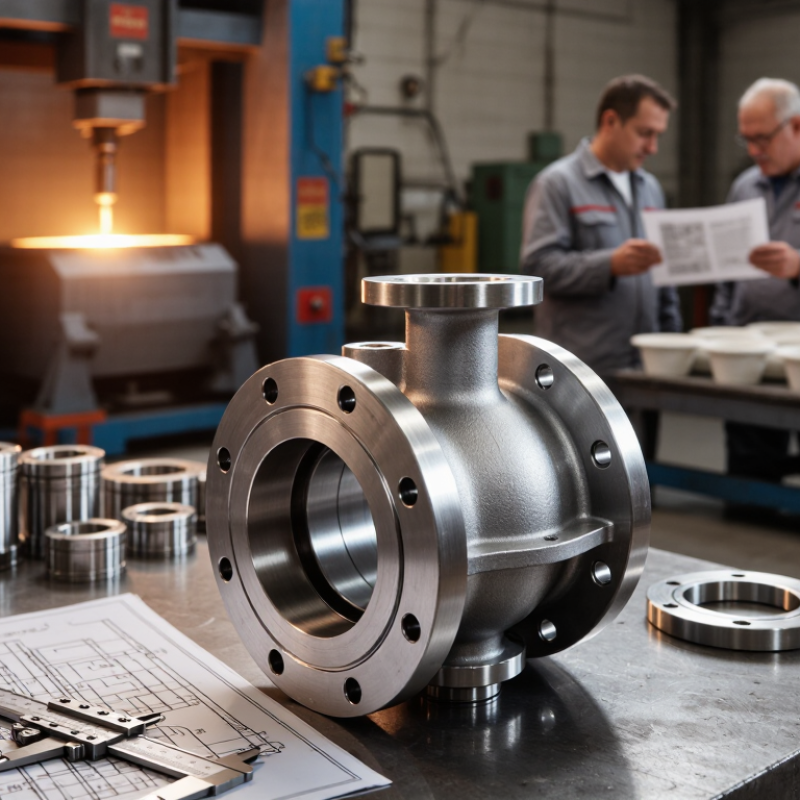
Define the part’s job before requesting a casting quotation. Describe the load, operating temperature, exposure to moisture or chemicals, and expected service life. These details help the manufacturer assess whether the selected alloy and casting design fit the application. Provide a current drawing or 3D model, with material grade, target quantity, and any required machining clearly identified. Small details matter. Mark critical dimensions separately from general dimensions, and specify surface finish only where function or appearance requires it.
Review the geometry with manufacturability in mind. Thin walls, deep cavities, and abrupt changes in section can affect metal flow and shrinkage. Note features that may need cores, machining, or special inspection. Set tolerances based on how each feature is used, then confirm that they are practical for the chosen process. It is easy to over-specify a dimension on paper. That can add cost without improving performance, and sometimes the first draft misses a detail that becomes important later.
Tips: Share the part’s operating conditions, annual volume, and inspection needs early. Ask the manufacturer to flag drawing ambiguities and suggest design adjustments before tooling begins. Keep one drawing revision as the approved reference, and document any changes. A short technical review now can prevent avoidable rework later.
How to Choose an Investment Casting Manufacturer: Define Project Requirements and Casting Specifications
Illustrative component specification: These example dimensions describe a hypothetical part, not a process capability standard. Before requesting a quote, specify the alloy, expected order volume, critical dimensions and tolerances, surface-finish requirements, machining needs, and any inspection or certification requirements. Confirm tolerances with prospective manufacturers against the part geometry and chosen alloy.
Assess Manufacturing Capabilities and Technical Expertise
Assess Manufacturing Capabilities and Technical Expertise
A capable investment casting manufacturer should explain how it controls each step, from wax patterns and shell building to pouring and finishing. Ask about alloy range, part-size limits, furnace capacity, and typical tolerances. Then request sample inspection records. Details matter. A polished capability sheet is not proof; I would question what it leaves out.
Technical depth shows in process control, not just equipment lists. Check how the manufacturer monitors shell thickness, melt temperature, and dimensional variation across production runs. Ask whether it performs in-house radiography, penetrant inspection, or metallurgical testing, and how outside tests are verified. ASTM tensile and hardness methods can help define measurable acceptance criteria. The right tests depend on the part’s material and service conditions.
Grand View Research estimated the global investment casting market at about USD 17.7 billion in 2023, reflecting demand across several industries. Market growth alone does not establish a supplier’s capability. Request evidence from parts similar in geometry and alloy, including first-article results and corrective-action records. A small trial order can reveal issues that presentations miss. Even careful reviews have limits; production consistency takes time to judge.
Evaluate Quality Controls, Certifications, and Traceability
When choosing an investment casting manufacturer, ask how quality is checked at each stage, not only at final inspection. A reliable process may include wax-pattern checks, shell inspections, and dimensional measurements after casting. Ask which features are measured, how often samples are tested, and whether gauges are regularly calibrated. For critical parts, clarify whether non-destructive testing is available and how results are recorded. A polished inspection report is useful, but real sample records tell you more.
Certifications can indicate a managed quality system, but check the certificate’s scope, validity, and covered production site. Confirm that it applies to the processes and facility making your parts. Traceability should connect a finished component to its material heat or lot, production route, inspection results, and any approved rework. Request a sample traveler or record with sensitive details removed. If a supplier cannot explain how one casting is traced back through its production history, pause and ask why. Paperwork can look complete while gaps remain.
Tips: Ask for a sample inspection report, calibration record, and traceability file before placing an order. Compare them against your drawing and acceptance criteria. Keep the questions practical; even a small mismatch deserves a clear answer.
Compare Pricing, Lead Times, and Production Flexibility
When comparing investment casting manufacturers, look beyond the unit price. Request an itemized quote covering tooling, sample parts, finishing, inspection, and packaging. A low piece price may exclude a costly die or extra machining. Small batches cost more. Check whether the quote assumes a particular alloy, tolerance, or annual volume; changing any of these can alter the final cost.
Compare lead times using the same milestones. Ask when tooling starts, when first articles are available, and when a repeat order can ship. A quoted “six weeks” means little without those details. Confirm how the supplier handles pattern approval, inspection, and unexpected rework. Production flexibility matters too: ask whether order quantities can vary, whether several part numbers can share a production run, and how schedule changes affect delivery. This comparison is imperfect; a fast estimate may depend on assumptions that need checking.
Tips: Share a clear drawing, alloy specification, target quantity, and inspection requirements before requesting quotes. Ask for prices at two or three volume levels, plus written lead-time assumptions. A short call can reveal whether the manufacturer can explain trade-offs plainly. Don’t overlook the practical details.
Verify Communication, Reliability, and Supplier Fit
A capable investment casting manufacturer should make communication feel as dependable as its process. Ask how quickly engineers answer questions about alloy selection, tooling changes, and inspection criteria. Request a sample inspection report and a clear schedule showing pattern production, pouring, finishing, and shipment. Specific answers matter. Vague promises do not reveal how a supplier handles a delayed pattern or a casting that misses tolerance.
Reliability also means sharing problems early. McKinsey’s 2020 supply-chain survey found that 93% of respondents planned to make their supply chains more resilient. That goal starts with practical habits: documented revisions, named technical contacts, and prompt notice when a production milestone slips. Check whether the manufacturer can explain its nonconformance process and provide traceable material and inspection records. A polished presentation is not proof; ask for evidence from a comparable job. Even good suppliers may have weak spots, so verify the details.
Tips: Send a drawing with critical dimensions marked, then ask the supplier to identify likely casting risks before quoting. Note the clarity and timing of the reply. Compare communication, technical capability, lead-time assumptions, and inspection support—not price alone. If answers conflict, pause and clarify. That small delay can prevent costly rework.
McKinsey & Company, “Risk, Resilience, and Rebalancing in Global Value Chains,” 2020.





