How to Choose the Right Impressed Current Anode?
Choosing an Impressed Current Anode is not simply a matter of selecting a material from a catalog. The anode must suit the structure, electrolyte, coating condition, and protection system. A choice that works well in seawater may perform differently in soil or a freshwater tank. Small details matter.
Start with the operating environment. Note the electrolyte’s resistivity, temperature, and likely chemical changes. Then consider the protected structure’s size, geometry, coating, and current demand. These factors help determine anode type, placement, and output. Common designs include mixed-metal-oxide and high-silicon cast-iron anodes, but neither is right for every installation. Check the manufacturer’s technical data against the project conditions. A useful specification should also address cable connections, backfill where applicable, and expected maintenance access.
The supporting system matters too. Rectifiers, reference electrodes, wiring, and monitoring points must work together. A technically suitable anode can still underperform if it is poorly positioned or connected. That can be easy to overlook. Review design calculations, installation constraints, and inspection plans with a qualified corrosion specialist. Ask how the system will be tested after installation, not just how it looks on paper. No selection is perfect; assumptions about coatings and operating conditions may need revisiting. Careful checks make the decision more reliable.
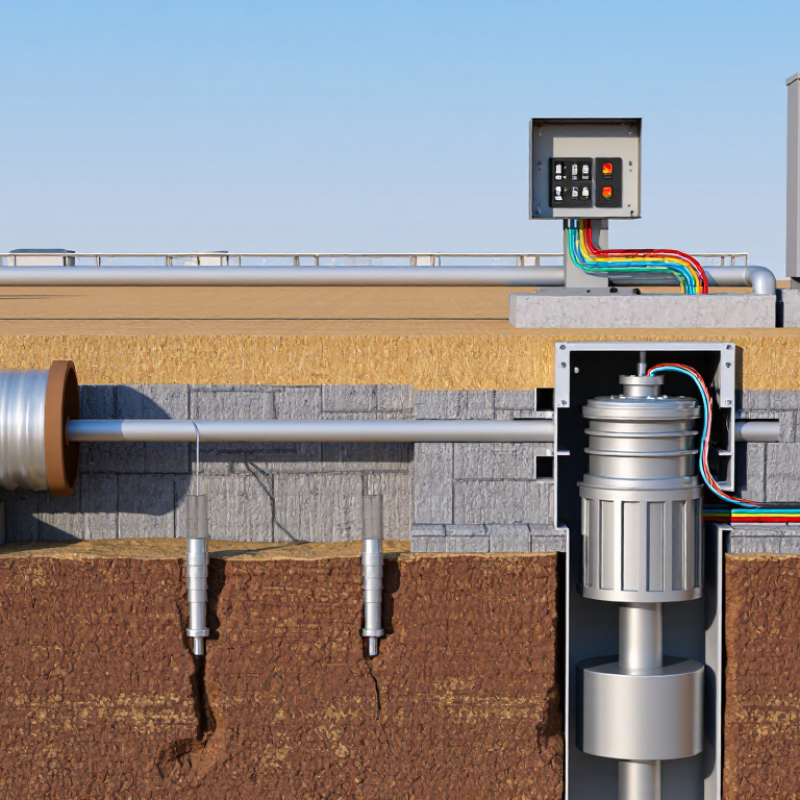
Identify the Structure, Environment, and Protection Requirements
Choosing the right impressed current anode starts with the structure, not the catalogue.
Is it a long buried pipeline, a compact tank, or a broad marine structure? Geometry, coating condition, electrical continuity, and likely current demand shape the design. A coated pipeline may need less current than damaged steel, but coating defects can concentrate demand in small areas. Measure soil resistivity or assess seawater conditions at the site. Guessing is risky.
Environment matters. Chloride-rich water, changing moisture, temperature, and stray electrical currents can affect anode performance and service life. Match anode material and installation method to the electrolyte, then check the rectifier’s output range and anode-to-structure layout.
AMPP SP0169 and ISO 15589-1 provide relevant frameworks for corrosion control and pipeline cathodic protection. The 2016 NACE IMPACT study estimated global corrosion costs at US$2.5 trillion annually, or 3.4% of global GDP; it also highlighted the value of established corrosion-management practices. Those figures describe corrosion broadly, not anode performance specifically.
A neat design drawing can still miss a wet patch or damaged coating. Field measurements matter. So does honest uncertainty.
Assess the Electrolyte and Operating Conditions
How to Choose the Right Impressed Current Anode?
Assess the Electrolyte and Operating Conditions
Electrolyte chemistry affects anode performance and service life. Check its composition, pH, conductivity, and temperature across normal operation—not just on a typical day. For example, chloride levels and changing temperatures can influence material suitability. Use measured site data and compare it with the anode’s published operating limits. Small details matter.
Tips: Record electrolyte readings during different operating periods. Note flow rate, solids, and any deposits on nearby surfaces. Measure, don’t guess. If conditions vary widely, ask a corrosion specialist to review the data before selecting an anode.
Also assess the required current output and how evenly the electrolyte reaches the anode. Poor flow or shielding can create uneven current distribution, even when the equipment appears correctly sized. Check expected operating hours, startup frequency, and maintenance access. These details help determine whether the proposed anode can perform reliably in the actual system. It is easy to focus on chemistry alone; I would not treat a single sample as the whole story. If conditions are uncertain, confirm them with repeat measurements or a controlled field evaluation.
Compare Anode Materials and Current Output
For impressed-current systems, compare anode materials by usable current density, coating life, and operating environment—not maximum amperage alone. Mixed-metal-oxide-coated titanium offers high output from a compact, dimensionally stable anode. High-silicon cast iron is heavier and gradually consumes, but can suit larger installations. Graphite is economical, yet brittle; handling damage can undermine an otherwise sound design. Small, but potent.
Estimate demand from the protected surface area and the site’s design current density, then check that the anode bed can deliver it at the system’s resistance. Soil moisture, salinity, temperature, and backfill can change output sharply. USACE manual EM 1110-2-2704 treats current demand, circuit resistance, and anode selection as linked design inputs. A catalog rating alone is not a field result. Measure ground conditions and verify output after commissioning.
Output must also achieve protection without excessive current. NACE SP0169-2013 gives a common carbon-steel criterion of a polarized potential of −850 mV versus a copper/copper-sulfate electrode. That figure is not a universal setpoint; the environment and measurement method matter. A tidy spreadsheet can miss uneven coating damage or shielding. Check potential at several locations, and revisit assumptions when readings disagree.
How to Choose the Right Impressed Current Anode? - Compare Anode Materials and Current Output
| Anode material | Typical application | Indicative design current density | Example current per 0.1 m² of active surface | Key advantages | Selection considerations |
| Mixed-metal-oxide-coated titanium | Seawater, brackish water, and engineered groundbed systems | About 100–300 A/m² in typical seawater designs; project conditions may require a different range. | About 10–30 A at the stated current-density range. | Low consumption of the titanium substrate; compact designs and relatively high output are possible. | Check coating specification, electrolyte, temperature, and the supplier’s rated life at the intended output. |
| Platinized titanium | Seawater and other suitable conductive electrolytes, often where compact anodes are needed | About 100–500 A/m² as an indicative seawater design range. | About 10–50 A at the stated current-density range. | High output from a small anode; titanium provides a mechanically strong substrate. | Coating thickness and operating conditions affect service life. Verify limits for the exact electrolyte and design. |
| High-silicon cast iron | Buried groundbeds, commonly installed with conductive coke breeze backfill | About 1–10 A/m² as a broad indicative range for buried installations. | About 0.1–1 A at the stated current-density range. | Established option for groundbeds; can be used in a range of soil conditions with appropriate backfill and design. | Brittle material requires careful handling. Soil resistivity, backfill, and anode consumption influence the design. |
| Graphite | Buried groundbeds, usually with conductive backfill | About 1–10 A/m² as a broad indicative range for buried installations. | About 0.1–1 A at the stated current-density range. | Conductive and suitable for groundbed use when correctly installed with compatible backfill. | Fragile and susceptible to oxidation-related consumption; installation quality and soil conditions matter. |
Important: Current-density ranges are indicative engineering examples, not guaranteed ratings or universal limits. Example current is calculated as current density × 0.1 m² of active anode surface. Actual output depends on anode geometry, electrolyte or soil resistivity, circuit resistance, rectifier voltage, polarization, and the manufacturer’s design limits. Confirm the final selection through project-specific calculations and applicable standards.
Determine Anode Size, Quantity, and Placement
Choosing the right impressed current anode starts with the current demand, not the anode’s dimensions. Estimate demand from the exposed steel area and a suitable design current density. Then account for coating condition, electrolyte resistivity, temperature, and expected coating deterioration. A clean drawing may hide damaged coating or shielded surfaces. Small details matter.
Use each anode’s rated output and the rectifier’s available voltage to estimate quantity. Do not simply divide total current demand by a catalogue rating; resistance and current distribution can limit real output. Place anodes to serve the structure evenly, considering corners, recesses, water flow, and nearby insulating barriers. Keep reference electrodes where they can measure representative potentials, not just the easiest locations to reach.
A first layout is rarely final. Anode spacing that works in open water may perform poorly inside a narrow tank or around dense supports. Check the design with field measurements or appropriate electrical modeling, then adjust after commissioning readings. No layout is perfect. Record assumptions, since uncertain coating condition or soil data can make an apparently precise calculation misleading. Have a corrosion specialist review the design and verify protection without exceeding the structure’s safe potential range.
Check System Compatibility and Maintenance Needs
An impressed-current anode must match the whole protection system, not just the structure’s size. Check the rectifier’s output range, cable capacity, reference-electrode layout, coating condition, and electrolyte resistivity. In seawater, soil, and concrete, current paths differ; an anode that performs well in one environment may be inefficient in another. Confirm the design current demand and operating limits against the system’s commissioning records. Small details matter. A loose connection or poorly placed reference electrode can make readings misleading.
Maintenance needs deserve equal attention. Ask whether the anode can be inspected, whether connections are accessible, and how quickly staff can respond to abnormal potentials. NACE International’s 2016 IMPACT study estimated corrosion’s global cost at US$2.5 trillion, or 3.4% of global GDP; it also reported that better corrosion management could save 15–35% of that cost. Those figures underline the value of dependable monitoring, though they do not predict savings for any single installation. Set a baseline, log rectifier current and structure-to-electrolyte potentials, and investigate gradual changes. A tidy maintenance plan can still miss local damage. Review the readings in context, and revise inspection intervals when site conditions or operating loads change.
How to Choose the Right Impressed Current Anode?
Compare common anode options by typical application fit and relative anode-side maintenance attention.
Screening guide only: scores are qualitative (1 = low, 3 = high), not measured performance ratings. MMO-coated titanium is commonly selected for seawater systems; high-silicon cast iron and graphite are also used in suitable soil or water installations. Confirm electrolyte chemistry, current demand, anode design, and design life with a qualified corrosion engineer. Routine system maintenance should also include checks of the rectifier, cables, and reference electrodes.





