How to Choose the Right EV Charging Connector and Adapter?
As the electric vehicle (EV) market continues to expand, choosing the right EV Charging Connector and Adapter becomes crucial. The International Energy Agency (IEA) reports that global electric vehicle sales reached 10 million in 2022, a significant rise from previous years. With this growth, the variety of connectors and adapters can confuse consumers. Industry expert Dr. Lisa Monroe emphasizes, "Selecting the appropriate connector ensures optimal charging performance and vehicle longevity."
Today, there are several types of EV charging connectors on the market, including Type 1, Type 2, and CCS. Each connector serves a specific purpose and may not be interchangeable. For instance, fast chargers often require specific adapters. According to the EV Charging Infrastructure Report, the global charging station network is anticipated to grow to over 2 million by 2025. This increase highlights the pressing need for consumers to understand their charging options.
While many EV owners might overlook the importance of the right charging equipment, doing so can lead to inefficiencies. Improper use of connectors or adapters can result in prolonged charging times or even damage. The intricate nature of EV Charging Connectors and Adapters warrants careful consideration and expertise. Choosing the right one is not just about convenience; it's about ensuring the performance and safety of electric vehicles.
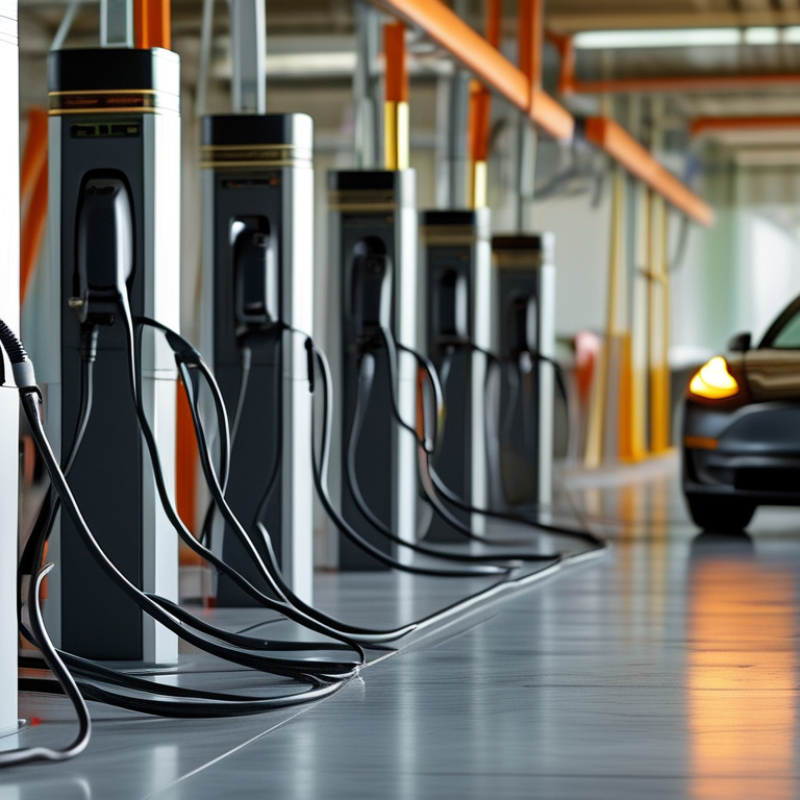
Understanding Different Types of EV Charging Connectors
When selecting an EV charging connector, it's vital to understand the different types. The primary connectors include Type 1, Type 2, CCS, and CHAdeMO. Each serves a specific purpose and varies in compatibility with different electric vehicles. Knowing these can ensure optimal charging speeds and efficiency.
Tips: Always check your vehicle's specifications for the correct connector type. Compatibility issues can lead to inefficient charging.
Type 1 connectors are commonly found in North America, while Type 2 is prevalent in Europe. CCS combines AC and DC charging in one plug, making it versatile. CHAdeMO connections are mainly used with Japanese vehicles.
Tips: Keep adapters handy. This can save you time if you encounter a different charging station. Not every location will have the connector you need.
Understanding these details can help you choose wisely. Always reflect on your charging needs based on your driving habits. A thoughtful approach can prevent future inconveniences.
Key Factors to Consider When Choosing an EV Charging Adapter
Choosing the right EV charging adapter can feel overwhelming. Several key factors must guide your decision. Compatibility is crucial; not all vehicles use the same connectors. Research the type of connector that your electric vehicle requires. A simple oversight can lead to frustration during charging.
Charging speed is another vital factor. Different adapters support various charging levels, which can significantly affect your charging time. Level 1 chargers are slow but convenient for home use. Level 2 chargers, while faster, may require additional infrastructure. Consider your needs carefully.
The quality and reliability of the adapter matter much. Look for options that meet safety standards. Poorly made devices can risk damage to your vehicle or worse. Think about your budget too. Higher costs don’t always mean better quality. Finding a good balance requires careful evaluation. Reflect on your charging habits to ensure you make an informed choice.
Compatibility: Ensuring Your EV Matches the Connector Type
Choosing the right EV charging connector requires careful consideration of compatibility. Not every electric vehicle (EV) is compatible with all types of connectors. For instance, a study by the International Energy Agency (IEA) notes that 87% of EVs in North America use the SAE J1772 connector. In contrast, European models often favor the Type 2 connector (Mennekes). This inconsistency can lead to issues if owners do not verify connector types before purchasing chargers.
Understanding connector types can save time and frustration. Adapters are available for some connectors, but they may not always work perfectly. Research indicates that relying solely on adapters can reduce charging efficiency by up to 30%. EV owners should ensure their vehicle's specifications align with the desired connector type. Familiarizing oneself with local charging infrastructure is also crucial, as some regions may have limited options.
Another point to reflect on is the growing trend toward standardization. The CCS (Combined Charging System) has emerged as a leading option, particularly for fast charging. However, not all EVs are compatible with CCS, which could limit charging access. Experts recommend checking manufacturer guidelines to secure an optimal charging experience. This thorough approach helps eliminate unexpected roadblocks, ensuring that EV owners can charge conveniently and efficiently.
Charging Speed and Efficiency: Choosing the Right Adapter
When selecting an EV charging connector and adapter, charging speed and efficiency play crucial roles. Understanding the various standards available is essential. Different connectors support different charging speeds. For instance, some may only deliver 3.7 kW, while others might provide up to 350 kW. This variance affects the time needed to charge your vehicle fully. If you frequently drive long distances, faster charging options become necessary.
Charging efficiency is another important consideration. Not all adapters convert energy effectively. Some may waste energy during the charging process. It’s beneficial to choose adapters with high efficiency ratings. You might notice that cheaper adapters might not be the best choice. They could reduce overall performance, leading to slower charging times.
A common mistake is assuming all chargers are the same. This perception can result in poor charging experiences. Factors like voltage and amps matter greatly. Always consider where you'll be charging your car most frequently and the type of adapter you’ll need. Regularly reassessing your charging habits can lead to more effective choices. Remember, every vehicle is different, and awareness of your specific needs is vital.
How to Choose the Right EV Charging Connector and Adapter? - Charging Speed and Efficiency: Choosing the Right Adapter
| Connector Type | Charging Speed (kW) | Maximum Voltage (V) | Common Vehicles | Adapter Availability |
| Type 1 (J1772) | 1.4 - 7.2 | 120 - 240 | Nissan Leaf, Chevrolet Volt | Widely available |
| Type 2 (Mennekes) | 3.7 - 22 | 230 | BMW i3, Audi e-tron | Widely available |
| CCS (Combined Charging System) | 50 - 350 | 400 | Ford Mustang Mach-E, Volkswagen ID.4 | Rapidly growing |
| CHAdeMO | 20 - 62.5 | 500 | Nissan Leaf, Kia Soul EV | Available |
| Wireless Charging | < 10 | N/A | BMW 530e (experimental) | Limited availability |
Future-Proofing Your Charging Equipment for New EV Models
As electric vehicle (EV) technology advances, future-proofing your charging equipment becomes essential. According to recent industry reports, over 50% of new EV models will feature updated connector types by 2025. This shift highlights the need for adaptable charging solutions. Selecting the right connectors and adapters is not just about convenience; it is about ensuring long-term compatibility.
New standards may emerge, posing challenges for current charging infrastructure. The Society of Automotive Engineers (SAE) projects that the increasing variety of EV models will necessitate flexible charging options. By investing in multi-standard charging stations, EV owners can accommodate various connector types. This strategy enhances usability and mitigates the risk of obsolescence.
Data shows that nearly 30% of EV owners experience difficulties finding compatible charging points. Adapting connectors can ease such friction. Users must remain informed about the latest connector trends and technology developments. Regularly updating charging kits can safeguard against compatibility issues. This proactive approach is vital in a rapidly evolving market.





