2026 How to Choose the Right Epoxy Glass Sheet for Your Needs?
Choosing the right Epoxy Glass Sheet for your project can seem daunting. Understanding your specific needs is crucial. According to the Global Epoxy Resin Market Report, the industry is expected to grow significantly, driven by increasing demand from various sectors. This highlights the importance of selecting high-quality materials for durability and performance.
Epoxy Glass Sheets are known for their excellent mechanical strength and electrical insulating properties. The electrical and electronics industries are leading consumers of these materials. The demand for reliable insulation has never been higher. However, not all Epoxy Glass Sheets are created equal. Different applications require different specifications, such as thickness and temperature resistance.
It's vital to reflect on your requirements before making a choice. Are you prioritizing insulation or mechanical strength? Will the sheet need to withstand harsh environmental conditions? These questions can guide you in finding a suitable product. Knowing the specifics can facilitate better decision-making, ensuring you select an Epoxy Glass Sheet that meets your professional standards.
Understanding Epoxy Glass Sheets: Properties and Applications
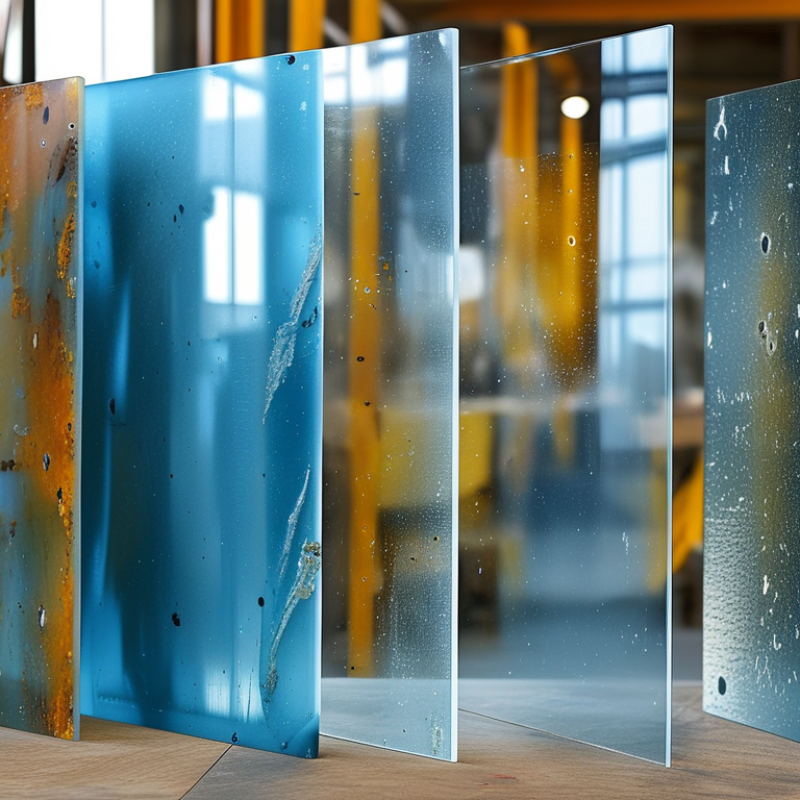
Epoxy glass sheets are versatile materials known for their strength and durability. These sheets are made by combining epoxy resin and glass fibers, resulting in a product that is both lightweight and robust. Their excellent electrical insulating properties make them suitable for various applications, including electronics and construction. In environments where humidity and temperature fluctuate, epoxy glass sheets perform reliably.
When selecting an epoxy glass sheet, consider its thickness and tensile strength. Thicker sheets offer better load-bearing capabilities, while thinner options are lighter and easier to work with. The colors and finishes available vary significantly, catering to aesthetic preferences and functional requirements. However, the choice of sheet can be daunting, given the multitude of options.
Testing may be necessary to find the ideal sheet for specific uses. Some might find their initial choice doesn’t meet expectations in harsh conditions. It’s essential to evaluate performance regularly and remain open to adjustments. Engaging with experts familiar with these materials can guide you toward making informed decisions. Balancing properties and applications is key.
2026 How to Choose the Right Epoxy Glass Sheet for Your Needs?
| Property | Value | Applications |
| Thickness | 1 mm - 25 mm | Manufacturing, Electrical Insulation |
| Temperature Resistance | -40°C to 130°C | High-Temperature Applications |
| Electrical Insulation Value | Dielectric Strength: 20 kV/mm | Electronics, Circuit Boards |
| Flexural Strength | 90 MPa | Structural Components |
| Moisture Absorption | < 0.2% | Aerospace, Marine Applications |
Key Factors in Selecting Epoxy Glass Sheets for Specific Uses
Choosing the right epoxy glass sheet involves understanding specific factors that cater to distinct applications. The thickness of the sheet is crucial. Thicker sheets can withstand greater mechanical stress but are heavier. Lighter sheets offer flexibility but may lack durability. Evaluate the weight vs. strength needed for your project.
Consider the operating environment as well. Different applications face varying levels of moisture, heat, or chemicals. Select a sheet that meets resistance standards for these factors. If it’s for outdoor use, UV stability becomes essential. For electrical purposes, ensure the dielectric strength is adequate.
Color and transparency can influence aesthetics as well. A clear sheet highlights underlying designs, while colored sheets can provide privacy or visual appeal. Yet, not all colors deliver the same light transmission. Reflect on the design needs versus functional requirements. Each choice comes with trade-offs that deserve careful thought. Balancing these elements is key to making the right decision for your specific needs.
Comparative Analysis: Epoxy Glass Sheets vs. Other Materials
When comparing epoxy glass sheets to other materials, several aspects need consideration. Epoxy glass sheets are known for their durability and resistance to chemicals. They perform well in demanding environments. In contrast, materials like acrylic and polycarbonate may scratch easily and degrade under UV exposure. They might also lack the strength and stability of epoxy glass.
Another factor is thermal resistance. Epoxy glass sheets can withstand higher temperatures than many plastics. This is crucial for applications in electronics and industrial settings. However, they can be heavier than alternatives, which might pose challenges in specific projects. It's essential to balance weight with the need for durability.
Cost is often a determining factor. Epoxy glass sheets can be pricier upfront. However, their longevity could save money in the long run. Evaluating your project needs helps clarify whether the investment is worth it. Reflecting on these points aids in making informed decisions. It might not always be clear-cut which material to choose, and there’s value in exploring all options.
Industry Standards: Quality Metrics for Epoxy Glass Sheets
When selecting an epoxy glass sheet, understanding industry standards is key. The quality metrics often involve mechanical strength, thermal resistance, and electrical insulation properties. According to a recent industry report, sheets with a tensile strength exceeding 50 MPa are considered optimal for structural applications. This strength ensures durability in demanding environments.
Thermal stability is another critical factor. Many epoxy glass sheets withstand temperatures up to 150°C. It is vital to analyze the thermal conductivity as well. A notable standard suggests that sheets with a thermal conductivity below 0.4 W/m·K are ideal for thermal insulation applications. However, achieving perfect insulation often proves challenging.
Electrical insulation is fundamental in electronic applications. Sheets meeting or exceeding a dielectric strength of 200 kV/cm can significantly enhance safety. Yet, testing these parameters can be inconsistent across manufacturers. Users should consider variance in quality assurance processes, which may not always meet expected standards. Awareness of these discrepancies can lead to informed decisions.
Cost-Benefit Considerations in Purchasing Epoxy Glass Sheets
When considering the purchase of epoxy glass sheets, cost-benefit analysis becomes crucial. According to industry reports, the average price of epoxy glass sheets varies significantly. Basic sheets can cost as low as $5 per square foot, while specialized or thicker versions can exceed $15 per square foot. Buyers must evaluate the functional advantages relative to their specific needs.
For instance, epoxy glass sheets offer high dielectric strength, making them ideal for electrical applications. This performance often justifies a higher price point. However, such sheets can be difficult to source in bulk, leading to potential delays. A 2023 market study indicated that about 30% of buyers experience supply chain issues, which can affect project timelines.
Additionally, it's essential to consider the longevity of the investment. Higher upfront costs may yield better durability and performance. Importantly, factors such as temperature resistance and mechanical strength must be weighed. Choosing a lower-cost option may seem appealing but can lead to increased replacement costs over time. Do thorough research before making a decision.
2026 How to Choose the Right Epoxy Glass Sheet for Your Needs?
This chart illustrates the key characteristics to consider when selecting an epoxy glass sheet for your needs, such as thickness, thermal resistance, cost, and weight. Each dimension is significant in determining the right material for your application, balancing performance and expenditure.





