Top 10 Duct Heater Types How to Choose the Right One?

A duct heater is more than a metal coil placed inside an air stream. It is a controlled heat source that must match airflow, voltage, duct dimensions, and building needs. In practice, a heater that performs well in a small office may fail in a large warehouse. Poor sizing can create cold zones, overheating, noisy operation, or unnecessary energy use. The right selection begins with actual conditions, not a product photo. This guide examines ten common duct heater types and explains where each design fits. It also considers electric resistance, hot water, steam, gas-fired, and specialized options. Details matter.

Choosing equipment requires technical knowledge and field judgment. Review heating capacity, minimum airflow, pressure drop, control methods, service access, and material compatibility. Confirm electrical loads and installation requirements with qualified professionals. Manufacturer data and applicable local codes should guide the final decision. A promising heater can still become unsuitable when filters become dirty or airflow changes seasonally. That is easy to overlook. We will compare strengths, limitations, operating costs, and maintenance concerns in practical terms. Expect clear guidance, but not false certainty. Building use, climate, duct layout, and control strategy can change the answer. The best duct heater is not always the most powerful model. It is the one that delivers steady comfort, safe operation, and dependable performance over time.
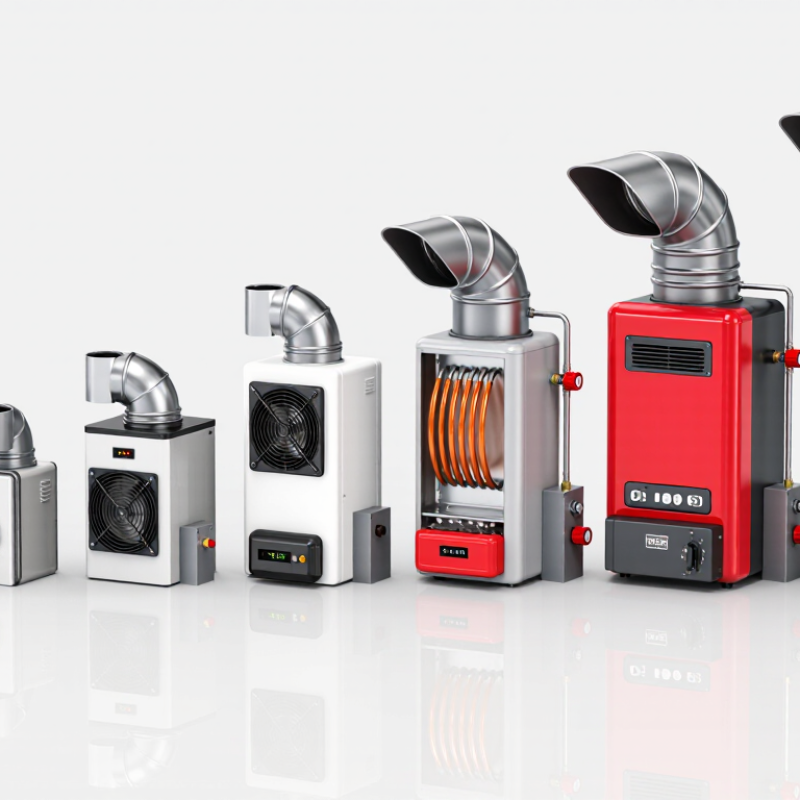
Top 10 Duct Heater Types How to Choose the Right One?

Duct Heater Basics: Purpose, Structure, and Operating Principles

Top 10 Duct Heater Types: How to Choose the Right One?

Duct heaters warm moving air inside ventilation or HVAC systems. They help prevent cold drafts, protect comfort, and support accurate supply-air temperatures. Common designs include electric resistance, hydronic coil, steam coil, and gas-fired units. Each type suits different energy sources and installation conditions.

A typical duct heater includes a metal casing, heating elements or coils, temperature sensors, limit controls, and an access panel. Electric models create heat through resistance elements. Hydronic models transfer heat from hot water through finned tubes. The fan pushes air across these surfaces, raising its temperature before distribution. Safety controls should stop heating when airflow drops. That detail matters.

Tips: Check airflow, duct size, static pressure, voltage, and required temperature rise before selecting a heater. Measure actual conditions during commissioning, not only design estimates. A unit with excessive capacity may cycle often and waste energy. An undersized unit may run continuously. Technicians should also verify clearances, insulation, control compatibility, and filter condition. Installation manuals and local safety requirements remain essential. In practice, selection is rarely perfect on the first attempt. Rechecking field readings can reveal a quieter, safer, and more efficient solution.

Ten Common Duct Heater Types and Their Key Differences

Duct heaters vary by heat source, construction, and control method. Ten common types include open-coil electric, enclosed-element electric, finned-tube electric, gas-fired direct, gas-fired indirect, hot-water coil, steam coil, glycol coil, refrigerant DX coil, and heat-pump coil systems. Electric models respond quickly and suit clean indoor air, but their operating cost depends heavily on local electricity prices. Gas-fired units can deliver strong heat, while indirect models keep combustion gases outside the airstream. Hot-water and glycol coils provide steady heating and work well with central boilers. Steam coils heat rapidly, but they need careful condensate management. DX and heat-pump coils can offer efficient heating, though performance drops in cold weather.

The 2023 UNEP Global Status Report states that buildings and construction used about 32% of global energy and produced around 34% of global carbon dioxide emissions in 2022. This makes heater selection more than a comfort decision. The U.S. Department of Energy notes that electric resistance heating converts electricity to heat at the point of use, but source-energy losses still matter. A common mistake is comparing rated efficiency alone. Airflow, duct leakage, controls, maintenance, and part-load operation can change real results. Field experience also shows that oversized heaters cycle often and create uneven temperatures.

Tips: Match heater capacity to a room-by-room load calculation. Check airflow before approving the unit. Review entering-air temperature, moisture, filtration, and available power or fuel. For wet spaces, protect coils against corrosion. Ask for measured commissioning data, not only catalog ratings. Recheck controls after the first heating season; the original settings may need adjustment.

How to Compare Duct Heaters by Capacity, Control, and Installation

Choosing a duct heater starts with capacity, not cabinet size. Calculate airflow, entering-air temperature, desired temperature rise, and building heat loss. A heater that is too small will run continuously. An oversized unit may cycle often and waste energy. Use manufacturer data and a qualified engineer’s calculation, since real duct conditions rarely match design assumptions perfectly.

Compare control methods carefully. Staged heaters provide simple, dependable output for steady loads. Modulating controls offer smoother temperature management, especially in rooms with changing occupancy. Check the control signal, sensor location, airflow proving switch, and high-limit protection. During commissioning, measure voltage, current, airflow, and discharge temperature. A control diagram may look clear, but field wiring mistakes still happen.

Tips: Confirm the heater fits the duct’s actual dimensions and leaves required service clearance. Install it downstream of filters when practical, and keep airflow even across the heating elements. Verify electrical capacity before ordering. I once saw a heater selected correctly but rejected because the panel lacked spare capacity. That detail should be checked early. Also review local electrical codes, grounding requirements, access panels, and maintenance space. A practical comparison should include installation labor, controls, safety devices, and future servicing—not only the rated kilowatts.

Top 10 Duct Heater Types: How to Choose the Right One

Typical selection capacity ranges by heater type. Compare the heating capacity, control approach, and installation requirements before final selection.

Electric and VAV heaters are compact and easy to control, while hot-water, steam, glycol, and gas-fired systems can serve larger loads but require more mechanical infrastructure. SCR control provides precise modulation for electric heaters, whereas staged control is generally simpler and more economical.

Safety, Energy Efficiency, and Maintenance Factors to Evaluate

Top 10 Duct Heater Types: How to Choose the Right One?

Safety should guide every duct heater selection. Electric resistance, hydronic, gas-fired, steam, heat-pump, and indirect-fired units each suit different airflow and building conditions. Electric models offer clean operation, but their high operating load needs careful electrical planning. Gas-fired heaters require combustion-air design, flame supervision, and safe venting. NFPA 90A emphasizes fire protection, installation clearances, and reliable safety controls for air-moving systems. High-limit switches and airflow proving devices are essential, not optional extras.

Energy efficiency deserves equal attention. The U.S. Energy Information Administration’s 2015 Residential Energy Consumption Survey reported that space heating represented 42% of household energy use. The U.S. Department of Energy also notes that poorly sealed ducts can lose 20% to 30% of moving air. A heater cannot compensate for leaking ductwork. Choose staged or modulating capacity when loads change often, and verify insulation, controls, and airflow during commissioning. ASHRAE Standard 90.1 provides useful efficiency guidance for commercial systems, although local requirements still matter. Maintenance is less glamorous. Filters, coils, sensors, electrical terminals, and burner assemblies need scheduled inspection. A small airflow fault can create overheating, noise, or wasted energy. No selection is perfect. The real mistake is trusting a catalog rating without checking the building’s actual load, ventilation pattern, and maintenance access.

A Step-by-Step Guide to Choosing the Right Duct Heater for Your System

Choosing a duct heater starts with the system, not the product label. Measure the duct width, airflow, entering-air temperature, and available electrical or fuel capacity. A small mistake here can cause weak heating or dangerous overheating. Keep airflow stable.

Select the heater type that matches those conditions. Electric duct heaters suit many clean, compact systems and allow precise staged control. Hot-water and steam coils can work well where central heating is already available. Gas-fired units may suit larger air volumes, but they require suitable ventilation, clearances, and professional installation. Check the required heat output with a qualified engineer, using the formula for airflow, temperature rise, and air density. Do not guess.

Inspect the controls before choosing the final model. The heater should coordinate with the fan, airflow switch, high-limit protection, and thermostat. Confirm that the control panel matches the site voltage and phase. In practical commissioning, technicians often verify airflow at several points, not only near the fan. Uneven distribution can create hot spots. I have found that design drawings sometimes hide these problems. Recheck them in the field. Leave access for cleaning, testing, and replacing safety components. A cheaper heater can become expensive when maintenance access is poor. Record measured values, wiring details, and protection settings for future service. That record may reveal whether the original selection was truly correct.


Powder Coat Booths

For those larger-sized parts, or smaller quantity runs, we have 2 independent powder coat booths and ovens. The quality, durability and affordability of today’s powder coating finishes make this the process of choice for world-class companies.

Powder coating advantages over other forms of coating are many. Materials used in the Powder coating process can be metals and non-metals that come in a multitude of thicknesses, textures, colors, etc. Another of Powder coating’s biggest advantages over conventional coatings is its ability to create finishes in many different textures. Powder Coating Booths allow us the ability to apply these advantages to large products.

Wet Paint Line

Tri-State Fabricators runs a full-service conveyor line for painting. Wet painting can provide protection or decoration to many different part styles. From start to finish, every project is easier to undergo random and point-based inspection by our skilled painting team.

Advantages to our Wet Paint Line are these lines start with product prep and ends with a thorough inspection of a high quality finished product. Our ability to complete large and small projects with a superior finish and doing so in a timely and economical fashion. This passes along the savings in production to our customers. When powder coating ins not an option, our Wet Paint Line gets the job done right the first time.

Wet Paint Booths

When the parts get big and heavy we roll-out our custom paint racks and oversize booth. By utilizing our partnerships with all the major paint brands, we can match virtually any color with wet paint.

The advantages of having access to a Wet Paint Booth are many. Large projects of many different shapes can be loaded into the booth. The Wet Paint Booth offers an environment that is much more controlled than a typical parts painting operation.

Not only are they used because of their controlled environment, but they’re are also advantageous when it comes to applying paint to parts that are needed in industries that require specialty coatings such as medical, aerospace, etc.

Military CARC

Our military forces have some very high standards when it comes to the finish of their vehicles and equipment. From the first pre-treatment step to final coat, it takes a great deal of knowledge and experience to protect the men and women of our armed forces. They deserve only the best, and Tri-State Fabricators provides it.

All of our processes are closely monitored by our staff and management teams. Both of which are highly trained in the processes of metal fabrication and finishing. Tri-State Fabricators’ goal is to always fully satisfy each and every customer, including the military. We will always put a 110% into what we do.

Glass-Bead Blasting

Abrasive media blasting is an excellent way to remove old paint, rust, and increase the paint/powder adhesion. Glass beads produce a much smoother and brighter finish than angular abrasives; leaving the part clean yet without any dimensional change. Chemically inert and environmentally friendly, we can recycle our beads approximately 30 times; making them a more preferred method of metal cleaning or surface finishing.

Advantages to Glass Bead Blasting are many. Glass bead blast media is used when a project is needing rough surfaces need to become smooth for applications of coatings such as paint. It is typically used to clean paint and rust from a product surface without deforming the surface it is being used on. Overall, compared to many other blasting media, Glass Bead Blasting is a very economical choice and those savings are always passed on to our customers.

Part Washing

Tri-State Fabricators utilize a zinc phosphate wash to clean and etch the material to ensure the best paint adhesion possible. The unique design of our 3-stage wash system does the work like a 5-stage. From Cleaning and rinsing to conversion coating and post-treatment, Our Part Washing process is a complete service and works throughout the fabrication service and the finishing service.

Along with the previously mentioned benefits, Curing is a vital chemical reaction that leaves the product finish hard and relatively safe from mild abrasion and aggressive corrosion. This process can be done in more than one way; ambient air-dry or in curing ovens at temps that exceed 240°.

Burn-Off Oven

From fixing paint mistakes (someone else’s of course) to simply cleaning our paint line hooks, our burn-off oven is put to good use. After a quick burn-off, a little clean up, and a fresh coat of paint, your parts will look better than new.

Why does our Burn-Off Oven work so well? Because super heating the air around parts turns the materials into ashes. From paint and powder coatings to rubber and machining oils, high temps do the job without degrading the integrity of the part.

Masking

Masking is a vital part of producing high quality products. We have die-cut masking patterns to protect machined surfaces as well as a wide range of plugs and caps to protect threaded holes and bolts. We provide permanent and temporary masking.

Masking allows the selected sections of a product to be protected from a fabrication or finishing service. This can be with both chemicals when etching and tapes, paints when only finishing just a section of the product. Masking is great in aiding the customization process of a project.

Screen Printing

Screen printing is a photographic process that transfers artwork onto a porous nylon screen which allows colored ink to flow through the screen and be deposited on an aluminum or plastic component. We can generally have just about any design created onto a screen for your parts.

Some of the advantages of Screen Printing are, brand recognition for your business displaying on your products, assembly instructions, product warnings/hazards, etc. Tri-State Fabricators produces Screen Printing of the highest quality so you know it’s durable.

Metal Finishing

Metal Finishing is the art of treating the exterior portion of product, often metal but can also be made of other materials, so that the surface is clean and free of any debris. Then the process of applying coats or either paint of powder coat takes place. This coating process improves the quality of the product in both appearance and resistance to wear and corrosion.

Tri-State Fabricators, Inc., understands that a project typically isn’t complete until a high-quality finish has been added to your product. This is why our painting and powder coating teams continuously inspect the products throughout the Metal Finishing process.



