How to Choose the Right Custom Stainless Steel Coil?
Choosing the right Custom Stainless Steel Coil can influence production speed, surface quality, and long-term product reliability. A coil may look suitable in a sample photograph, yet behave differently during stamping, slitting, welding, or forming. Thickness tolerance, grade, temper, width, edge condition, and surface finish must match the actual application. Small differences matter.
Practical buyers should begin with the working environment. Will the coil face moisture, salt, heat, chemicals, or repeated bending? Stainless steel grades are not interchangeable. For example, 304 may suit general indoor fabrication, while 316 often offers stronger resistance in marine or chloride-rich conditions. However, the final choice should follow verified technical data, not assumptions. Request mill certificates, inspection records, dimensional reports, and clear information about applicable standards.
Supplier capability also deserves close attention. Ask how the coil is produced, tested, packaged, and traced before shipment. A reliable supplier should explain yield strength, tensile strength, hardness, coil weight, and allowable tolerances in plain language. Samples can reveal burrs, scratches, waviness, or inconsistent polishing that documents may miss. Check carefully.
Cost alone can mislead. A cheaper coil may create more scrap, tool wear, delays, or rejected parts. I have seen specifications written too broadly, leaving important details unresolved. That is a weakness worth correcting. Define acceptance criteria before ordering, and confirm whether the supplier can repeat the same quality across future batches. No checklist is perfect. Still, careful questions and documented evidence make the decision more dependable. This guide outlines the key points for selecting a Custom Stainless Steel Coil with practical confidence and fewer costly surprises.
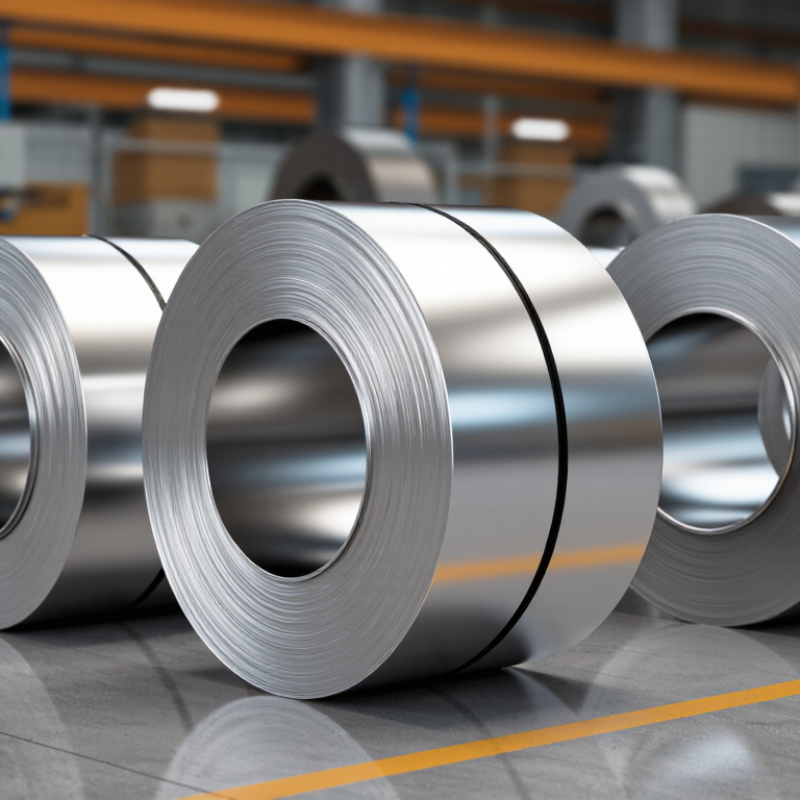
Define the Application Requirements for a Custom Stainless Steel Coil
Choosing a custom stainless steel coil starts with a clear application definition. The operating environment matters more than appearance alone. Identify exposure to moisture, salt, chemicals, heat, and repeated temperature changes. A coil used near seawater requires different corrosion resistance than one used indoors.
Record the forming process before requesting material. Deep drawing, roll forming, slitting, and stamping create different demands. Specify the required thickness, width, edge condition, coil weight, inner diameter, and outer diameter. Tight tolerances may improve assembly, but they can also increase production costs. Be realistic.
Surface requirements deserve equal attention. A polished finish may suit visible panels, while a functional component may need a simpler finish. Confirm hardness, tensile strength, elongation, and weldability through reliable technical data. Ask for heat numbers, inspection records, and applicable material certificates. These documents support traceability and reduce uncertainty during quality checks.
The first specification is rarely perfect. Small changes often appear after trial forming. A practical evaluation should include sample processing, dimensional inspection, and corrosion review. One overlooked detail, such as coil memory, can affect feeding stability. Discuss storage conditions too, because moisture and contamination can damage the surface before fabrication. Clear drawings and measured samples make the final coil easier to produce consistently.
Select the Appropriate Stainless Steel Grade and Composition
Selecting the stainless steel grade starts with the service environment, not the coil price. The International Stainless Steel Forum reported roughly 58 million tonnes of global stainless crude steel production in 2023. That scale reflects broad demand, but it does not make every grade interchangeable. That choice matters.
For general indoor equipment, 304 stainless steel is often practical. Its typical composition contains about 18% chromium and 8% nickel. It supports forming, welding, and routine corrosion resistance. Coastal air, salt spray, or chemical exposure may justify 316 stainless steel. Its usual 2–3% molybdenum content improves resistance to localized pitting. ASTM A240 chemical limits should confirm the actual material, rather than relying on a sales description. Do not guess.
For lower-cost applications with limited forming, 430 stainless steel can be suitable. It contains chromium but generally little or no nickel, so its magnetic response differs from 304. Low-carbon variants, such as 304L or 316L, reduce weld-area sensitization risks. The decision still depends on coil thickness, annealing condition, surface finish, and forming radius. A rough rule can fail. For example, a thin 304 coil may perform poorly beside concentrated chlorides, while a thicker 316 coil may be unnecessary indoors. Review the mill test certificate, sulfur and carbon levels, tensile data, and corrosion conditions before approving a custom composition. World Stainless technical guidance also emphasizes matching alloy selection with fabrication and end-use requirements.
Determine the Required Coil Dimensions and Surface Finish
Choosing a custom stainless steel coil begins with measurements, not appearance. Define the required width, thickness, inner diameter, outer diameter, and maximum coil weight. These figures must match the slitting line, decoiler, forming equipment, and transport limits. Ask for tolerances, too. A coil can meet its nominal size yet fail during feeding if thickness variation is ignored. Confirm the alloy grade and temper because strength affects leveling, bending, and springback. Small errors become expensive.
Surface finish needs equal attention. Specify whether the material needs a bright, brushed, matte, or mill finish. Describe the visible side, protective film requirement, and acceptable scratches, stains, or edge marks. For decorative panels, lighting can reveal waviness that warehouse checks miss. For formed parts, a smoother surface may reduce friction, but it may not suit every process. Request sample panels or measured roughness values when appearance matters. Numbers are safer than vague words.
Before approval, compare the drawing with actual production conditions. Check coil camber, burr direction, weld joints, and packaging stability. An experienced inspector should record thickness at several points across the strip. Do not rely only on a certificate. It proves less than a practical trial. A short trial run can expose feeding problems before a full order is cut. Review the specification after testing; the first version is rarely perfect.
Evaluate Manufacturing Standards, Quality Control, and Certifications
How to Choose the Right Custom Stainless Steel Coil?
Choosing a custom stainless steel coil starts with the manufacturer’s production standards. Ask which specifications control chemistry, thickness, width, surface finish, and mechanical strength. Recognized standards, such as ASTM or EN requirements, create a clear technical baseline. However, the standard should match your application, not simply appear on a quotation.
Quality control must be visible at each production stage. Check whether the mill tests incoming material, monitors rolling pressure, and records annealing temperatures. Slitting accuracy matters too. A small edge crack can become a serious failure during forming. Request inspection records for thickness, hardness, tensile strength, surface condition, and chemical composition. Calibration dates should be available for testing equipment. Details matter.
Traceability is equally important. Each coil should carry a heat number linked to the material test certificate. The certificate should identify actual results, not only standard limits. Review certification scope carefully, because an expired or unrelated certificate offers little protection. Independent inspection can strengthen confidence for demanding orders. Still, paperwork is not proof by itself. I have seen specifications look complete while sampling plans remained unclear. Ask how many samples were tested and where they came from. No process is perfect. A reliable supplier will explain deviations openly, record corrective actions, and accept reasonable questions without hiding behind certificates.
Compare Suppliers, Lead Times, Pricing, and Customization Options
Choosing a custom stainless steel coil starts with supplier capability, not the lowest quotation.
The International Stainless Steel Forum reported about 58 million tonnes of stainless crude steel production in 2023. This scale creates choices, but quality still varies between mills and service centers.
Request mill certificates, heat numbers, surface samples, and references for similar gauges. Confirm whether the supplier controls slitting, edge trimming, annealing, and protective packaging.
Lead time deserves a written breakdown. Ask for production, inspection, slitting, and shipping dates separately. Standard 304 or 316 coil may move quickly, while narrow widths, tight tolerances, or special finishes require more planning.
Pricing should include the base metal, alloy surcharges, processing, packaging, freight, and possible yield loss. The World Steel Association’s 2024 outlook showed continuing movement in global steel demand, which can pressure capacity and delivery schedules. A cheap offer may not remain cheap after delays and rework.
Tips:
Compare at least three detailed quotations. Use identical specifications. Check minimum order quantities and surcharge formulas. Ask how rejected material is handled. Confirm tolerance limits in writing. Never judge a supplier by price alone.
I have seen apparently efficient purchases fail because the coil width was correct, but the surface finish was unsuitable. That detail is easy to overlook. Recheck drawings before approval, especially when customization involves decorative surfaces or welded forming.





