How to Choose the Right Cloth for Sanding Your Projects?
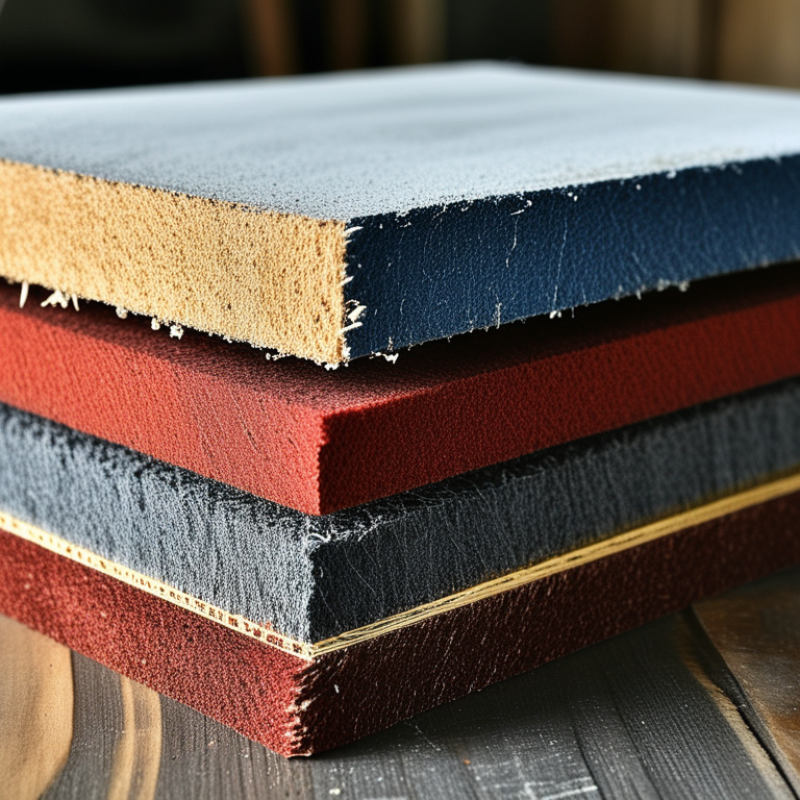
Choosing the right Cloth For Sanding is crucial for achieving the best results in your projects. The cloth for sanding can significantly influence the smoothness and finish of the surface. Whether you are working on wood, metal, or drywall, the choice of material matters.
Different sanding jobs require different grades and types of cloth. For instance, using a coarse cloth may seem efficient, but it could lead to scratches and damage. On the other hand, using too fine a grit can prolong your work. Understanding these nuances is essential for any craftsperson.
Many beginners overlook the significance of quality materials. Investing in a good cloth for sanding can save time and enhance the final product. Don’t be afraid to experiment. Sometimes, the right choice is found through trial and error. Your skills will evolve, and each project provides an opportunity to learn.
Factors to Consider When Selecting Sanding Cloth Material
Choosing the right sanding cloth involves careful consideration. Different projects require specific materials for the best results. Sanding cloths come in various types, such as aluminum oxide and silicon carbide. Each material has unique properties suitable for different surfaces. Aluminum oxide is durable and ideal for wood and metal. In contrast, silicon carbide excels on harder surfaces like glass and ceramics.
When selecting sanding cloth, consider the grit size. Coarser grits are useful for heavy material removal. Finer grits are better for smooth finishing. According to industry data, roughly 70% of sanding issues arise from using incorrect grit. Another crucial aspect is the backing material. Flexible backings offer better control on curved surfaces. A rigid backing provides stability for flat surfaces.
Tip: Test different sanding cloths on scrap pieces before committing to your main project. This approach helps identify the right material with minimal risk. Also, remember to replace worn-out sanding cloths promptly. Using a degrading cloth can lead to poor finishes. Ensure you choose wisely to avoid unnecessary rework.
Understanding Grit Types and Their Applications in Sanding
Choosing the right grit type is crucial for successful sanding. Grit numbers indicate the size of the abrasive particles. A lower grit number, like 60 or 80, offers a rougher finish. It's ideal for heavy material removal. This grit quickly eliminates imperfections and shapes your project. However, it may leave scratches that need further refinement.
On the other hand, higher grits, such as 220 or 320, provide a smoother finish. They are perfect for preparing wood surfaces for painting or finishing. Higher grits polish the surface without removing much material. This stage requires patience, as rushing can result in unsatisfactory results.
Understanding your project’s needs can guide your grit selection. Consider the material and desired finish. A common mistake is using the wrong grit from the start. This can lead to excessive sanding or uneven surfaces. Reflecting on past projects teaches valuable lessons about grit choice. Being mindful of these details helps improve the overall quality of your work.
The Importance of Backing Material and Its Impact on Sanding
When choosing cloth for sanding projects, the backing material plays a crucial role. The right backing affects performance, durability, and the quality of the finish. Research shows that a firm backing provides better stability during sanding. This ensures more consistent results, particularly on irregular surfaces. A flexible backing, while easier to maneuver, may lead to uneven sanding.
Consider these factors when selecting your sanding cloth. A balance between weight and flexibility is essential. Heavyweight backings offer more durability but can be less forgiving. On the other hand, lighter materials can wear out quickly but offer more control. Industry data suggests that 75% of users prefer materials with a balanced approach to backing, ensuring both durability and flexibility.
Tips: Always test different cloths on scrap material before committing to your project. Evaluate how each material interacts with your specific surface. Remember, your choice of backing should also consider the grit used. Finer grits benefit from more flexible backing, while coarser grits perform better with stiffer support. Trial and error can help refine your approach, ensuring optimal sanding results.
Evaluating Durability and Longevity of Different Sanding Cloths
When evaluating sanding cloths, durability and longevity should be paramount. Different materials offer various lifespans. For instance, aluminum oxide is known for its exceptional durability. Reports suggest that it can last up to five times longer than traditional sandpapers. This longevity makes it a favorite among professionals. However, it's crucial to consider the specific project needs. Not all projects require heavy-duty cloth.
Moreover, the backing material influences durability. Cloth-backed sandpapers tend to hold up better under pressure than paper-backed options. A study from the Woodworkers Institute indicated that cloth-backed products can reduce wear by nearly 50%. Yet, budget constraints often tempt users to choose lower-quality products. While this might save money upfront, the long-term cost can escalate due to increased material usage.
Fine-grit sanding cloths also play a role in project outcomes. They may not last as long as coarser grits, but they provide a smoother finish. A balance between grit and durability is key. Users should assess their skill level too. Inexperienced hands may wear out cloths faster. Understanding these factors can lead to more informed choices.
Durability Comparison of Sanding Cloths
Best Practices for Choosing Sanding Cloth for Specific Projects
Choosing the right sanding cloth can greatly impact the quality of your project. Different materials require specific grits and types of abrasives. For instance, woodworking typically benefits from aluminum oxide sanding cloths, known for their durability and effectiveness on various woods. A study from the Woodworking Institute found that using the proper abrasive can enhance surface smoothness by up to 30%.
While selecting sanding cloths, consider the project type. For fine finishes, a higher grit, such as 220 or above, is often recommended. A survey indicated that 70% of professionals find finer grits essential for achieving a smooth surface on softwood. However, using too fine a cloth on rough surfaces can lead to longer sanding times and frustration. Conversely, using too coarse a grit might damage the wood.
Users should also reflect on their technique. Common errors include applying too much pressure or skipping grits. This can result in scratches or uneven surfaces. Some experts suggest a progressive approach: move from coarse to fine grits gradually. This method can maximize efficiency and improve overall project quality. Aim for balance—a rough cut can set the stage, but the finish defines the project.