


Cleanroom design is often discussed through filtration, pressure control, and validated workflows. Yet the window is part of the controlled boundary, not merely a view into the room. Grand View Research valued the global cleanroom technology market at approximately USD 5.1 billion in 2023 and forecast further growth through 2030. That investment makes interface details increasingly important. A Cleanroom Window can influence visibility, cleaning routines, condensation risk, and maintenance access. Small details matter.
ISO 14644-1 classifies cleanrooms by airborne particle concentration, but it does not prescribe one universal window design. Selection depends on the room’s processes and the surrounding wall system. Consider flush installation, sealed joints, glazing strength, thermal performance, and resistance to repeated cleaning. In a pharmaceutical suite, an uninterrupted, wipeable surface may be critical. In an inspection area, clear viewing and controlled glare may matter more. These are practical trade-offs, not just catalogue features.
This guide explains how to compare window types, frame materials, glazing options, and installation details in 2026. It also highlights questions to ask suppliers, including how they document dimensions, seals, and cleaning compatibility. Request evidence for the intended application, and confirm that the proposed assembly matches the project specification. A product described as “cleanroom-ready” may still need careful review. That label alone is not proof. Even a well-chosen window can disappoint if installation leaves hard-to-clean gaps, so plan the wall interface before purchase.
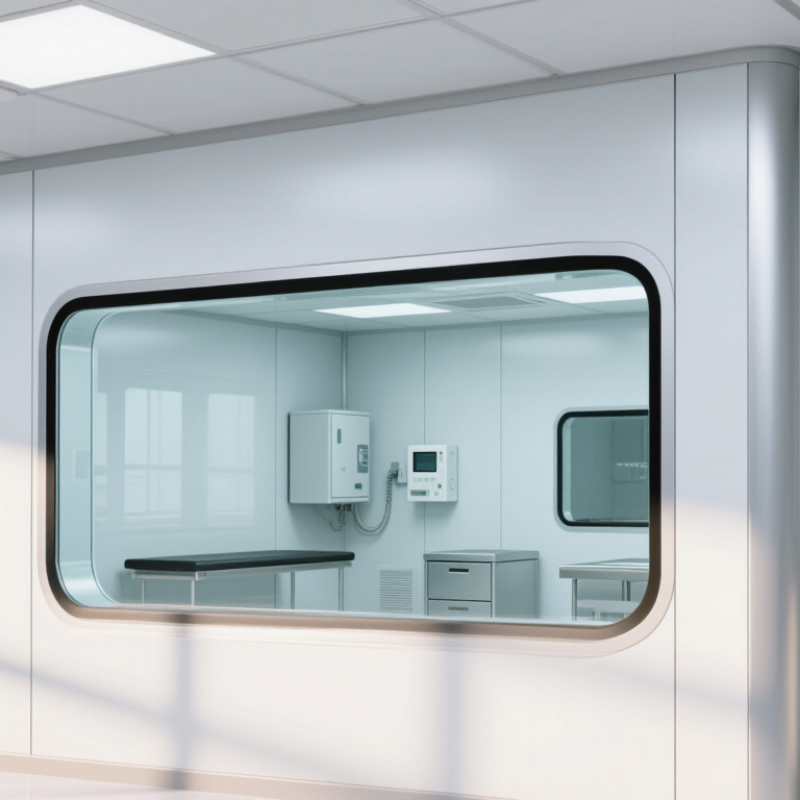
Before choosing a cleanroom window, define the room’s classification, operating state, pressure direction, temperature range, and humidity limits. “Clean” is not one condition. ISO 14644-1:2015 sets particle concentration limits by class; at 0.5 micrometres, the limits are 3,520 particles per cubic metre for ISO Class 5 and 352,000 for ISO Class 7. These figures describe the air, not the window itself. Still, they help clarify how carefully the window assembly must avoid particle traps and support cleaning.
Map the room’s real conditions before comparing window designs. Record pressure differentials, temperature swings, condensation risk, cleaning chemicals, and whether staff inspect the room from either side. A flush interior face, smooth sealed joints, and low-leakage framing can reduce ledges where dust collects. Double glazing may help limit heat transfer, but it can also create a condensation problem if the frame or installation forms a thermal bridge. Details matter. ISO 14644-4:2022 addresses cleanroom design and construction, but it cannot supply one universal temperature or humidity target; those depend on the process and equipment. A common oversight is treating the window as a passive panel. It is part of the room envelope, and its seals may need more attention than the glass. I would check the proposed assembly against the actual cleaning routine, not just the specification sheet. That check is easy to miss.

ISO 14644-1 limits the airborne concentration of particles ≥0.5 μm to the values shown. Use the required room classification as a starting point when specifying a window, then assess pressure differentials, temperature, humidity, chemical exposure, cleanability, and visibility. Particle limits classify the room; they do not, by themselves, determine a window’s performance rating.
A cleanroom window should match the cleaning routine as closely as the room’s appearance. Start with the frame: aluminum is lightweight and easy to form, while stainless steel can better tolerate frequent wiping and some cleaning agents. Check the finish and chemical compatibility, not just the material name. A small change in disinfectant can matter. Stainless steel also adds weight, so the wall structure and installation need attention.
Glazing affects safety, visibility, and insulation. Tempered glass is designed to break into smaller pieces, while laminated glass holds fragments together after breakage. Double glazing can reduce temperature transfer, but its sealed cavity must remain intact to prevent moisture or fogging. Ask how the glazing is sealed and whether the specification suits the room’s temperature and cleaning conditions. Clear glass is useful, though reflections can make inspection harder under bright ceiling lights.
Frame design is easy to overlook. A flush, cleanroom-facing surface has fewer ledges where dust or residue can collect, and it is simpler to wipe with a lint-free cloth. Recessed frames may suit some wall systems, but exposed joints need careful sealing. In practice, the neatest-looking option is not always the easiest to maintain. Compare sample corners and seals, if available, before choosing. That detail can change the daily cleaning experience.
| Window option | Frame material or design | Glazing | Cleanability and flushness | Visibility and light | Key considerations | Common application |
|---|---|---|---|---|---|---|
| Common window configurations | ||||||
| Basic observation window | Aluminum frame; surface-mounted or recessed installation | Single pane of safety glass, commonly tempered | Depends on frame detailing; exposed ledges and joints may take more effort to clean | Good direct visibility; fewer glass surfaces to maintain | Check safety-glazing requirements, frame-to-wall sealing, and whether the assembly meets the room’s pressure and cleaning needs | Interior partitions and areas with modest temperature differences |
| Insulated observation window | Aluminum frame, often designed for a flush installation | Sealed insulating glass unit with two or more panes | A smooth, flush face can reduce dust-catching edges; perimeter sealing is important | Clear view; multiple panes may produce reflections depending on lighting and viewing angles | Confirm unit dimensions, edge-seal protection, condensation risk, and compatibility with wall-panel thickness | Partitions between spaces with different temperatures or where improved thermal comfort is needed |
| Impact-resistant observation window | Aluminum or stainless-steel frame; flush or recessed design | Laminated safety glass, or a specified combination of laminated and other glass layers | Flush detailing supports wipe-down cleaning; sealant and glazing-retention details need inspection | Good visibility; interlayer and added glass layers can affect optical appearance | Specify the required impact or safety performance for the location; do not assume all laminated glass has the same rating | Areas where the project requires glass-retention or added impact-safety measures |
| Corrosion-conscious window | Stainless-steel frame with welded or sealed joints where appropriate | Tempered or laminated glass; insulating glass is also possible | Smooth, well-finished surfaces are easier to wipe; joint and finish quality remain important | Comparable to the selected glazing; frame finish can influence reflections | Choose the stainless-steel grade and finish for the actual cleaning chemicals and exposure conditions | Wet-cleaning areas or locations where corrosion resistance is a project priority |
| Painted-frame window | Coated steel or coated aluminum, subject to the supplier’s finish specification | Single or insulating safety-glass configuration | Intact, smooth coatings can be wiped clean; chipped or damaged coatings may be harder to maintain | Depends primarily on the glass specification | Verify coating compatibility with disinfectants and cleaning agents; review repair and maintenance requirements | Projects balancing finish, cost, and specified cleaning conditions |
| Glazing and frame design choices | ||||||
| Tempered glass | Can be used in compatible aluminum, steel, or stainless-steel frames | Heat-treated safety glass; available as a single pane or as part of a sealed unit | Glass surfaces are generally smooth and suitable for routine wiping | Clear; glass thickness and lighting affect appearance | When broken, it typically breaks into smaller pieces; confirm applicable safety requirements and replacement access | General observation glazing where specified safety performance is appropriate |
| Laminated glass | Requires a frame and glazing system designed to retain the selected glass build-up | Two or more glass layers bonded with an interlayer | Cleanability depends on exposed surfaces and perimeter seals | May show optical effects or reflections depending on thickness, interlayer, and lighting | Can help hold fragments together after breakage; confirm the required safety classification for the application | Locations where post-breakage fragment retention is desired or specified |
| Double-glazed insulating glass | Frame must accommodate the unit thickness and support its weight | Two panes separated by a sealed cavity; cavity may contain air or another specified gas | Both room-side surfaces can be wiped; the sealed cavity is not accessible for routine cleaning | Two panes can create reflections; low-emissivity coatings, if specified, can affect appearance | Performance depends on the complete unit and installation; protect the edge seal and assess condensation conditions | Spaces where thermal separation or reduced interior-surface condensation is a concern |
| Flush, wall-integrated frame | Frame set level with the wall-panel surfaces, with sealed perimeter joints | Compatible with single, laminated, or insulating glass as designed | Reduces projecting ledges; carefully sealed transitions help support wipe-down cleaning | Does not determine optical performance; that depends on the glazing | Coordinate frame depth, panel thickness, tolerances, sealant, and installation sequence | Cleanroom partitions where a smooth, easy-to-wipe wall surface is desired |
| Recessed or projecting frame | Frame sits behind or extends beyond the finished wall plane | Compatible glazing depends on the frame system | Recesses and projections can create additional edges or ledges to clean | Depends on the selected glazing and viewing angle | Review cleanability, access, sealing, and the finished wall detail before selection | Existing walls or designs where a flush, integrated frame is not practical |
Selection note: Specify the complete window assembly—not just the glass—including frame material and finish, glazing build-up, seals, wall integration, cleaning-chemical compatibility, safety requirements, and installation details. Verify project-specific performance with the design team and window supplier.
How to Choose a Cleanroom Window in 2026?
Assess Sealing, Cleanability, and Performance Features
A cleanroom window should support the room’s cleaning routine and environmental requirements. Start by checking how its frame meets the surrounding wall. Flush edges and tight joints leave fewer places for dust or residue to collect. Small gaps matter. Ask how the assembly is sealed, and confirm that the seal remains accessible for inspection. A smooth appearance alone does not prove an airtight installation.
Cleanability depends on more than the glass. Look for flat surfaces, minimal ledges, and joints that can be wiped without snagging cloths. Check that the frame and seal materials tolerate the cleaning agents used on site. Performance also matters: consider thermal movement, condensation risk, sound control, and visibility through the glazing. Compare the window’s documented ratings with actual room conditions, rather than relying on a general product description. Specifications can look reassuring; installation details still deserve scrutiny.
Tips: Inspect a sample joint with a gloved hand and a clean cloth. Notice catches, rough edges, or residue left behind. Ask for drawings showing the wall interface and seal location. Record who will inspect the seals and how often. No design is perfect, and maintenance plans are sometimes overlooked. A practical review with facilities and cleaning staff can reveal issues that a product sheet misses.
How to Choose a Cleanroom Window in 2026? Verify Compliance with Applicable Standards and Classifications
A cleanroom window must support the room’s classification, not just provide a clear view. ISO 14644-1:2015 sets airborne particle limits by class. For particles at least 0.5 μm, its limits are 3,520 particles per cubic metre for ISO Class 5 and 352,000 for ISO Class 7. These figures describe room air, not a window’s standalone rating. Still, they show why frame joints, glazing seals, and flush interior surfaces deserve close review. This is easy to overlook.
Check that drawings, material specifications, and installation details match the project’s required classification and applicable standards. ISO 14644-4 addresses cleanroom design and construction, while ISO 14644-3 provides test methods. Ask for evidence relevant to the complete installed assembly, including cleanability and leakage performance where specified. A polished product sheet is not validation. Requirements differ by process and jurisdiction, so confirm them with the facility’s qualified design and validation team.
Tips: Inspect a sample corner joint for gaps, exposed sealant, and dirt-trapping ledges. Confirm test criteria before ordering. Keep a record of approved details and any field changes; small differences can matter.
A cleanroom window is part of the room’s sealed boundary, not just a viewing panel. Before choosing one, verify the wall thickness, opening size, required flushness, and pressure conditions. A frame that projects from the wall can collect residue and make wipe-downs harder. Ask how installers will seal the joints and support the window while sealant cures. Small details matter.
Maintenance can outweigh a low purchase price over time. Check whether staff can safely reach both faces, whether seals can be replaced, and whether the glazing tolerates your cleaning agents. Request a practical inspection schedule, then adjust it based on actual use. Condensation, edge haze, or loose trim may point to a developing problem. Don’t ignore them.
Tips: Compare costs across a realistic service period. Include installation labor, access equipment, downtime, cleaning time, seal replacement, and eventual removal. Ask for written compatibility details and clear warranty exclusions. Keep simple records of leaks and repairs; patterns may emerge, though recordkeeping alone cannot prevent failure. Revisit your assumptions after a year of operation.


For those larger-sized parts, or smaller quantity runs, we have 2 independent powder coat booths and ovens. The quality, durability and affordability of today’s powder coating finishes make this the process of choice for world-class companies.
Powder coating advantages over other forms of coating are many. Materials used in the Powder coating process can be metals and non-metals that come in a multitude of thicknesses, textures, colors, etc. Another of Powder coating’s biggest advantages over conventional coatings is its ability to create finishes in many different textures. Powder Coating Booths allow us the ability to apply these advantages to large products.
Tri-State Fabricators runs a full-service conveyor line for painting. Wet painting can provide protection or decoration to many different part styles. From start to finish, every project is easier to undergo random and point-based inspection by our skilled painting team.
Advantages to our Wet Paint Line are these lines start with product prep and ends with a thorough inspection of a high quality finished product. Our ability to complete large and small projects with a superior finish and doing so in a timely and economical fashion. This passes along the savings in production to our customers. When powder coating ins not an option, our Wet Paint Line gets the job done right the first time.
When the parts get big and heavy we roll-out our custom paint racks and oversize booth. By utilizing our partnerships with all the major paint brands, we can match virtually any color with wet paint.
The advantages of having access to a Wet Paint Booth are many. Large projects of many different shapes can be loaded into the booth. The Wet Paint Booth offers an environment that is much more controlled than a typical parts painting operation.
Not only are they used because of their controlled environment, but they’re are also advantageous when it comes to applying paint to parts that are needed in industries that require specialty coatings such as medical, aerospace, etc.
Our military forces have some very high standards when it comes to the finish of their vehicles and equipment. From the first pre-treatment step to final coat, it takes a great deal of knowledge and experience to protect the men and women of our armed forces. They deserve only the best, and Tri-State Fabricators provides it.
All of our processes are closely monitored by our staff and management teams. Both of which are highly trained in the processes of metal fabrication and finishing. Tri-State Fabricators’ goal is to always fully satisfy each and every customer, including the military. We will always put a 110% into what we do.
Abrasive media blasting is an excellent way to remove old paint, rust, and increase the paint/powder adhesion. Glass beads produce a much smoother and brighter finish than angular abrasives; leaving the part clean yet without any dimensional change. Chemically inert and environmentally friendly, we can recycle our beads approximately 30 times; making them a more preferred method of metal cleaning or surface finishing.
Advantages to Glass Bead Blasting are many. Glass bead blast media is used when a project is needing rough surfaces need to become smooth for applications of coatings such as paint. It is typically used to clean paint and rust from a product surface without deforming the surface it is being used on. Overall, compared to many other blasting media, Glass Bead Blasting is a very economical choice and those savings are always passed on to our customers.
Tri-State Fabricators utilize a zinc phosphate wash to clean and etch the material to ensure the best paint adhesion possible. The unique design of our 3-stage wash system does the work like a 5-stage. From Cleaning and rinsing to conversion coating and post-treatment, Our Part Washing process is a complete service and works throughout the fabrication service and the finishing service.
Along with the previously mentioned benefits, Curing is a vital chemical reaction that leaves the product finish hard and relatively safe from mild abrasion and aggressive corrosion. This process can be done in more than one way; ambient air-dry or in curing ovens at temps that exceed 240°.
From fixing paint mistakes (someone else’s of course) to simply cleaning our paint line hooks, our burn-off oven is put to good use. After a quick burn-off, a little clean up, and a fresh coat of paint, your parts will look better than new.
Why does our Burn-Off Oven work so well? Because super heating the air around parts turns the materials into ashes. From paint and powder coatings to rubber and machining oils, high temps do the job without degrading the integrity of the part.
Masking is a vital part of producing high quality products. We have die-cut masking patterns to protect machined surfaces as well as a wide range of plugs and caps to protect threaded holes and bolts. We provide permanent and temporary masking.
Masking allows the selected sections of a product to be protected from a fabrication or finishing service. This can be with both chemicals when etching and tapes, paints when only finishing just a section of the product. Masking is great in aiding the customization process of a project.
Screen printing is a photographic process that transfers artwork onto a porous nylon screen which allows colored ink to flow through the screen and be deposited on an aluminum or plastic component. We can generally have just about any design created onto a screen for your parts.
Some of the advantages of Screen Printing are, brand recognition for your business displaying on your products, assembly instructions, product warnings/hazards, etc. Tri-State Fabricators produces Screen Printing of the highest quality so you know it’s durable.
Metal Finishing is the art of treating the exterior portion of product, often metal but can also be made of other materials, so that the surface is clean and free of any debris. Then the process of applying coats or either paint of powder coat takes place. This coating process improves the quality of the product in both appearance and resistance to wear and corrosion.
Tri-State Fabricators, Inc., understands that a project typically isn’t complete until a high-quality finish has been added to your product. This is why our painting and powder coating teams continuously inspect the products throughout the Metal Finishing process.

